
Planting
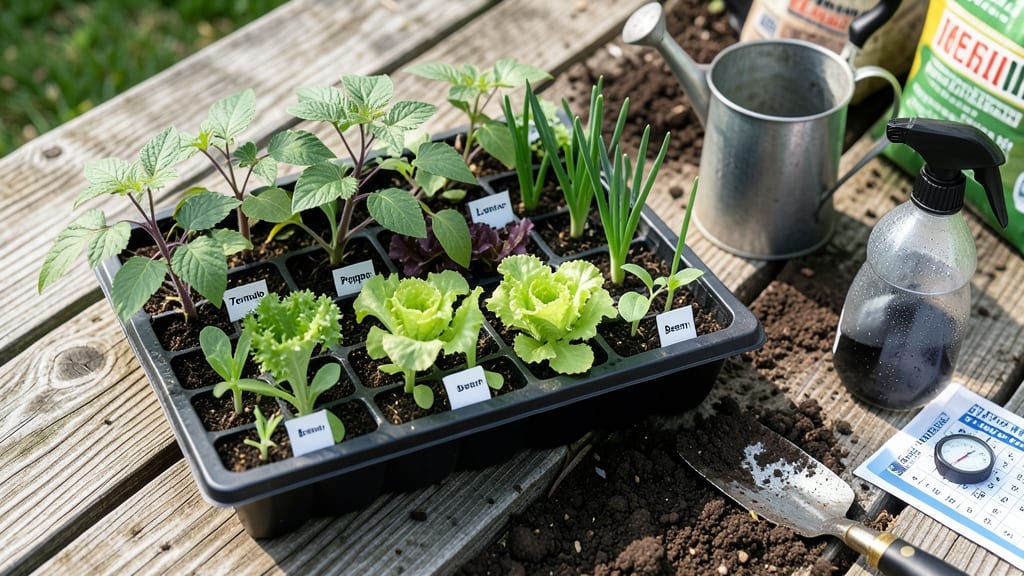
When to plant a vegetable garden in Oklahoma isn’t just about throwing seeds in the dirt—it’s about beating frost, avoiding scorching heat, and working with USDA Zones 7a/7b’s quirks to maximize harvests. One wrong move, and your 🌱 could be toast before it even sprouts. The key? Planting at the right moment—whether that’s mid-March for cool-season crops or late May for heat-lovers like tomatoes.
I’ve spent years testing what works in Oklahoma’s unpredictable climate, and the difference between a thriving garden and a failed one often comes down to two weeks—either side of those critical frost dates.
Miss the window, and you’ll either lose plants to late freezes or watch them wilt in summer’s brutal heat. But get it right, and you’ll enjoy fresh veggies from spring through fall.
This guide breaks down exactly when to plant—from leafy greens to peppers—so you can avoid common mistakes and extend your growing season. Whether you’re a first-time gardener or a seasoned pro, these actionable tips will help you plan like a local.
Let’s get those seeds in the ground at the perfect time!
Ready to transform your backyard? We’ll cover everything from soil prep to adjusting for Oklahoma City’s last frost dates (usually April 15), so you can grow food that actually survives the year. No more guessing—just proven strategies for a bountiful harvest.
Oklahoma’s exact frost dates and planting windows by month (USDA Zone 7a/7b)
Oklahoma’s USDA Zones 7a and 7b experience distinct last spring frost and first fall frost dates that dictate your planting schedule.
For most of the state, including Oklahoma City and Tulsa, the average last frost date falls between March 15 and April 15, while the first fall frost typically arrives October 15 to November 15.
These dates create a 180-210 day growing season, perfect for both cool-season and warm-season crops.
Understanding these frost-free windows helps you align your planting with Oklahoma’s unpredictable weather patterns. For example, Zone 7a (northern OK) has slightly earlier frosts, while Zone 7b (southern OK) enjoys a few extra weeks of warmth.
I’ll break down the optimal planting months for each crop type, so you can maximize your harvest without risking frost damage.
🌱 PRO TIP: Use OSU Extension’s frost date maps to fine-tune your schedule based on your exact location. Even a 10-mile difference can shift frost dates by a week!
| Season | Planting Window | Cool-Season Crops | Warm-Season Crops |
|---|---|---|---|
| Early Spring | March 15–April 15 | Lettuce, Spinach, Peas, Broccoli | None (too cold) |
| Late Spring | April 15–May 15 | Kale, Cabbage, Radishes | Tomatoes, Peppers, Eggplant (after last frost) |
| Summer | May 15–July 15 | None (heat-sensitive) | Beans, Corn, Cucumbers, Squash |
| Early Fall | July 15–August 15 | Lettuce, Spinach, Arugula | Okra, Southern Peas, Sweet Potatoes |
| Late Fall | August 15–September 15 | Broccoli, Cauliflower, Brussels Sprouts | None (frost risk) |
For Zone 7a (e.g., Lawton, Altus), shift these windows 1-2 weeks earlier to account for colder nights. Meanwhile, Zone 7b (e.g., Oklahoma City, Tulsa) can extend warm-season planting until June 1 without frost risk. Always check soil temperatures—most warm-season crops need soil above 60°F to thrive.
I recommend direct sowing cool-season crops like peas and radishes as soon as soil is workable (around March 1), while transplanting seedlings of tomatoes and peppers after your last frost date (typically April 15). This balance ensures your garden starts strong and avoids frost damage.
Oklahoma’s summer heat (often exceeding 90°F) can stress plants, so I prioritize shade cloth for lettuce and drip irrigation for tomatoes during peak heat. Succession planting every 2-3 weeks keeps your harvests continuous, even as seasons shift.
Don’t forget fall planting! After Labor Day, focus on cool-season crops that tolerate light frosts, like kale and carrots. These can be harvested well into November before the first hard frost hits.
🌡️ EXTREME WEATHER ALERT: Oklahoma’s droughts and heatwaves can delay planting. Monitor NOAA forecasts and adjust your schedule if soil moisture drops below 30%.
Best vegetables to plant in Oklahoma’s spring vs. fall seasons (with exact timing)
Oklahoma’s spring and fall seasons offer prime windows for planting, but timing is everything. Cool-season crops like lettuce and peas thrive in early spring, while warm-season favorites like tomatoes and peppers need warmer soil.
Let’s break down the best vegetables for each season and their exact planting dates for USDA Zone 7a/7b.
For spring planting, start with hardy crops like spinach and radishes in late February to early March, when soil temperatures hover around 50°F. By April, you can transplant broccoli and cabbage after the last frost—typically around April 15 in central Oklahoma.
Warm-season crops like squash and beans should wait until mid-May when soil is consistently 60°F+.
🌱 Spring Planting Schedule for Oklahoma
- Late Feb - Early Mar: Peas, spinach, lettuce (direct sow)
- Mid-Mar - Early Apr: Onions, carrots, radishes (direct sow)
- After last frost (Apr 15): Broccoli, cabbage, kale (transplant)
- Mid-May: Tomatoes, peppers, squash (transplant after soil warms)
Fall planting in Oklahoma starts as early as late July for warm-season crops like beans and cucumbers, but the real focus shifts to cool-season crops in August. By September 1, you can sow beets, turnips, and collard greens for a late harvest.
Aim to plant 6-8 weeks before the first frost (typically November 15 in central Oklahoma) to ensure maturity before winter sets in.
🍂 Fall Planting Schedule for Oklahoma
- Late July - Early Aug: Sweet potatoes, beans (fast-maturing varieties)
- Mid-Aug: Broccoli, cauliflower, kale (transplant)
- Sep 1: Spinach, lettuce, radishes (direct sow)
- Oct 15: Garlic (plant for spring harvest)
Pro tip: Use succession planting to maximize your harvest. For example, sow lettuce every 2 weeks in spring and fall to enjoy fresh greens all season. In Zone 7b (southern Oklahoma), you can extend fall planting by 2-3 weeks compared to Zone 7a, thanks to later frost dates.
Don’t forget to adjust for container gardening if space is limited. Smaller varieties like bush beans and cherry tomatoes thrive in pots and can be planted 2 weeks later than in-ground crops, as containers warm up faster in spring.
With these exact timing guidelines, you’ll avoid the pitfalls of frost damage or bolting (when plants flower prematurely) and enjoy a bountiful harvest from spring to fall in Oklahoma’s unique climate. 🌿