
Plants
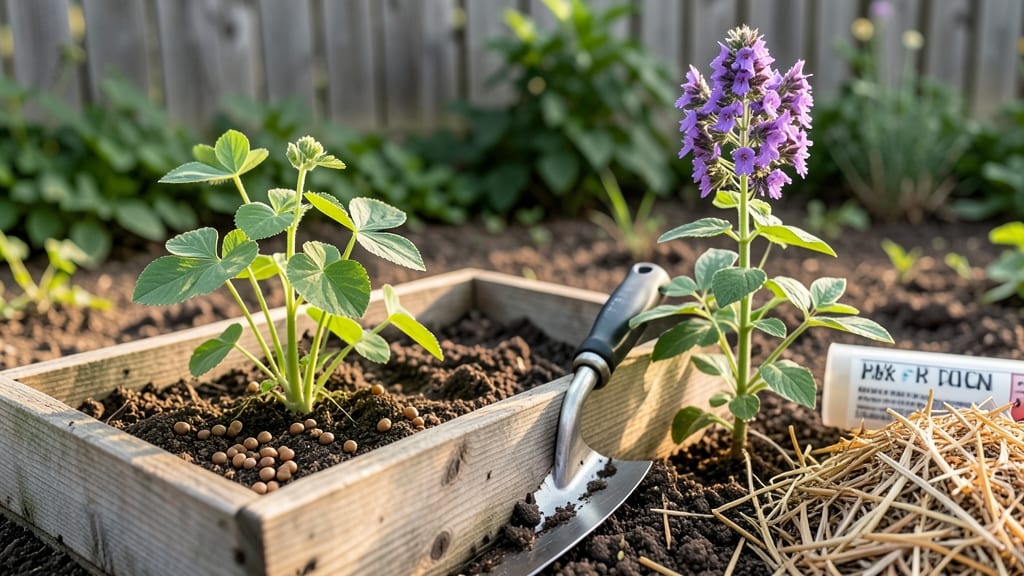
If you're dreaming of a lush 🌱 alfalfa field in Georgia, timing your planting can make or break your harvest. The state's 7b-8b climate gives you two prime windows—spring and late summer—but get it wrong, and you'll either face frost damage or struggle with summer heat.
Most gardeners in Georgia swear by early spring planting, but late summer can work too if you play your cards right. The key is understanding your local frost dates and how alfalfa handles Georgia's intense summer sun.
I'll show you exactly when to plant for maximum growth and minimal stress on your crop.
You'll discover why March-April and August-September are the sweet spots, how to prep soil for these different seasons, and which varieties handle Georgia's heat best. Whether you're a first-timer or a seasoned grower, these insights will help you avoid common mistakes that waste time and money.
Ready to grow alfalfa that thrives? Let's dive into the perfect planting schedule tailored just for Georgia's unique climate challenges. Your most productive harvest starts with the right timing—and I've got all the details you need.
Georgia’s frost-free zones & best planting months for alfalfa
Georgia’s USDA hardiness zones 7b-8b create a near-perfect climate for alfalfa cultivation, but precise timing prevents frost damage and summer stress. The state’s 210 frost-free days (March 15 to November 15) frame your planting window—too early, and a late freeze stunts growth; too late, and summer heat reduces yields.
Let’s break down the optimal planting months by region to maximize your alfalfa’s potential.
Northern Georgia (zones 7a-7b), including Atlanta and the Blue Ridge Mountains, faces the highest frost risk. Here, aim for late March to early April for spring planting, ensuring soil temperatures stay above 50°F.
Southern Georgia (zones 8a-8b), like Savannah and Valdosta, can start as early as mid-February, but avoid planting before February 28 to dodge unexpected cold snaps.
For fall planting, focus on late August to early September across all regions. This timing lets alfalfa establish roots before first frost while avoiding Georgia’s oppressive summer humidity, which can trigger fungal diseases like leaf spot in young seedlings.
Here’s a quick reference for Georgia’s frost-free window and ideal planting periods by region:
| Region | USDA Zone | Last Frost Date | First Frost Date | Best Spring Planting | Best Fall Planting |
|---|---|---|---|---|---|
| Northern GA (Atlanta, Blue Ridge) | 7a-7b | March 15 | November 15 | Late March–Early April | Late August–Early Sept |
| Central GA (Macon, Columbus) | 7b-8a | March 1 | November 22 | Mid-February–March | Late August–Early Sept |
| Southern GA (Savannah, Valdosta) | 8a-8b | February 15 | December 1 | Mid-February–March | September |
Soil temperature is just as critical as air temperature. Use a soil thermometer to confirm 50°F+ soil temps before planting—cold soil delays germination. In Northern Georgia, wait until April 15 if early spring soil stays below 50°F.
For Southern Georgia, you can plant as early as February 20 if soil warms quickly.
Alfalfa seeds germinate best in 60–85°F soil temperatures. If you plant in late summer (August–September), prioritize well-drained soil to prevent waterlogging from Georgia’s humid monsoons. Add organic matter (compost or aged manure) to improve drainage and retain moisture during dry spells.
Pro tip: Cover seeds lightly with straw mulch (1/4 inch) to protect them from bird predation and retain moisture. This is especially helpful in drought-prone areas like Southwest Georgia, where summer rainfall can be unpredictable.
Once planted, maintain consistent moisture for the first 4–6 weeks—alfalfa roots need time to establish. After that, it becomes drought-tolerant, but established plants still benefit from deep watering every 7–10 days during Georgia’s hot, dry summers.
Timing your alfalfa planting to avoid peak heat (July–August) is key. By establishing plants in spring or early fall, you give them time to root deeply before facing Georgia’s 90°F+ temperatures. This strategy ensures your alfalfa survives the heat and delivers high-quality forage for years to come.
🌱
Georgia’s frost-free zones & best planting months for alfalfa
Georgia’s USDA hardiness zones 7b-8b create a perfect balance for alfalfa, but frost dates vary dramatically across regions. In northern Georgia (Athens, Dalton), the last frost typically occurs around March 15, while southern Georgia (Savannah, Brunswick) can see frost-free conditions as early as February 15.
This variation means your planting window shifts depending on location.
For spring planting, aim for late February to early April in southern Georgia and mid-March to early April in northern areas.
This timing gives seedlings 4-6 weeks to establish roots before summer heat peaks. Fall planting is riskier but possible in late August to early September—just ensure seedlings have 6-8 weeks to mature before the first frost.
Here’s how Georgia’s regions break down for optimal alfalfa planting:
| Region | USDA Zone | Last Frost Date | Best Planting Window | Key Consideration |
|---|---|---|---|---|
| Northern GA (Athens, Dalton) | 7b | March 15 | March 15–April 15 | Higher frost risk; use row covers |
| Central GA (Macon, Columbus) | 7b-8a | March 1–March 10 | February 28–April 1 | Moderate humidity; monitor for fungal diseases |
| Southern GA (Savannah, Brunswick) | 8a-8b | February 15 | February 15–March 31 | Longer frost-free season; heat stress earlier |
To maximize success, test soil temperature before planting—alfalfa seeds germinate best in 60–70°F soil. Use a soil thermometer to confirm readiness, especially in northern Georgia, where cooler springs delay germination. For fall plantings, aim for soil temps below 80°F to reduce heat stress on young seedlings.
Pro tip: Plant alfalfa in raised beds if your soil drains poorly. Georgia’s clay-heavy soils in areas like Tifton or Warner Robins can suffocate roots, leading to poor establishment. Amend with compost or sand to improve drainage before sowing.
Once planted, mulch heavily with straw to retain moisture and suppress weeds. Alfalfa’s deep roots need consistent soil moisture during the first 60 days—critical for avoiding stunted growth. In drought-prone areas like southwest Georgia, consider drip irrigation to maintain even watering.
Timing isn’t just about frost—it’s about heat avoidance. Planting too late in spring risks 95°F+ temperatures by June, which can stunt growth or cause leaf scorch. By following these regional guidelines, you’ll give your alfalfa the best shot at thriving in Georgia’s challenging climate. 🌾