
Plants
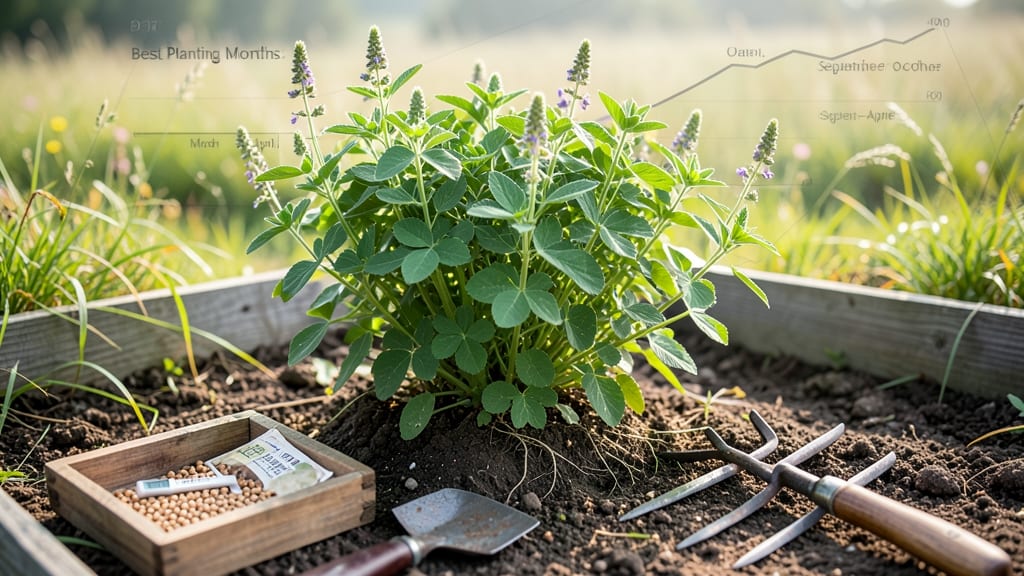
Planting alfalfa at the wrong time in Oklahoma can turn your hard work into a wasted investment—especially when summer heat arrives too soon. This hardy forage crop 🌱 demands precise timing to establish strong roots before the brutal 100°F+ temperatures hit, and local frost dates make all the difference.
Most Oklahoma farmers swear by early spring planting (March-April) when soil warms to 50°F+, but late summer (August-September) offers a second chance for those who miss the first window.
The key? Avoid planting when the ground stays cool or when summer drought stress looms—both can stunt growth before your stand even takes hold.
I’ll break down the exact months that work best for your USDA 6a-8a zone, plus soil prep tricks to give your alfalfa the fighting chance it needs. Whether you’re a first-time grower or a seasoned rancher, these insights will help you skip the common mistakes that leave fields bare.
Ready to grow alfalfa that thrives? Let’s dive into the heat-tolerant varieties and planting schedules that actually pay off in Oklahoma’s climate—no guesswork required.
Best planting months for alfalfa in Oklahoma (by region & soil prep)
Oklahoma’s diverse climate—from the Panhandle’s arid heat to the Eastern region’s humidity—means alfalfa planting windows vary dramatically. Spring planting (March-April) is ideal for most areas, but late summer (August-September) works for heat-tolerant varieties in drier zones. The key? Soil temperature must reach 50°F (10°C) before seeding.
In the Panhandle (USDA Zone 7b-8a), where summers scorch, late August planting avoids extreme heat stress.
Central Oklahoma (Zone 7a) thrives with March-April sowing, while the Eastern region (Zone 6b-7a) can extend planting to early May thanks to cooler springs. Fall planting is risky—most varieties won’t establish before frost.
Here’s the critical rule: Never plant alfalfa when soil temps exceed 85°F (29°C). Seedlings wilts instantly in Oklahoma’s 100°F+ summers. Use a soil thermometer to confirm readiness—this small tool saves hours of frustration.
Oklahoma State University Extension recommends cover crops before planting to improve soil structure. Winter rye or clover planted in fall breaks up compacted soil, while composted manure adds organic matter. Test soil pH first—alfalfa prefers 6.5-7.5; adjust with lime if needed.
Regional frost dates dictate your window:
- Panhandle: Last frost March 1-15
- Central OK: Last frost March 15-30
- Eastern OK: Last frost April 1-15
Plant 2-3 weeks after these dates to avoid frost damage.
🌱 Oklahoma Alfalfa Planting Guide by Region
| Region | Best Planting Months | Soil Temp Requirement | Key Consideration |
|---|---|---|---|
| Panhandle (7b-8a) | Late August–September | 50–75°F (10–24°C) | Avoid summer heat; use drought-tolerant varieties |
| Central OK (7a) | March–April | 50–70°F (10–21°C) | Watch for late frosts; irrigate if dry |
| Eastern OK (6b-7a) | April–early May | 50–72°F (10–22°C) | Higher humidity; ensure good drainage |
For direct seeding, plant 1/4-inch deep and 1/2-inch apart in rows 6-12 inches apart. Use a seed drill for large plots—hand-seeding 1 acre takes 2 full days without one. Over-seeding is tempting, but thinning to 10-15 plants per sqft prevents competition.
After planting, mulch with straw to retain moisture—Oklahoma’s windy conditions dry soil 3x faster than in humid climates. Irrigate lightly daily for 2 weeks until seedlings emerge. Drip irrigation is ideal; sprinklers waste water and spread disease.
Pro tip: Plant alfalfa with a nurse crop like oats or ryegrass to stabilize soil until it establishes. The nurse crop shades out weeds while alfalfa gets its roots down. Remove the nurse crop when alfalfa reaches 6 inches tall—usually 6-8 weeks after planting.
Finally, avoid fall planting unless you’re in Zone 8a (southern Oklahoma). Even then, seedlings won’t mature before first frost (Nov 15). Winterkill is a real risk—90% of failed stands happen from fall planting mistakes.
Best planting months for alfalfa in Oklahoma (by region & soil prep)
Oklahoma’s diverse climate means alfalfa planting windows vary by region—from the Panhandle’s dry heat to the Eastern region’s humidity. The key is planting when soil temperatures hit 50°F (10°C), ensuring strong root establishment before summer’s brutal heat.
Spring and late summer are your best bets, but timing depends on where you live.
For spring planting, aim for late March to early April after the last frost (typically March 15 in most areas).
In the Panhandle, you can plant slightly earlier (early March) due to warmer soils. Fall planting works too—opt for late August to early September to give roots time to establish before winter.
| Region | Best Planting Window | Soil Temp Requirement | Frost Risk |
|---|---|---|---|
| Panhandle | Early March–Early April | 50°F+ (sooner due to dry heat) | Low (hardier winters) |
| Central Oklahoma | Late March–Early April | 50°F+ (wait for last frost) | Moderate (occasional late frosts) |
| Eastern Oklahoma | Late March–Mid-April | 50°F+ (humidity delays warming) | High (later frosts common) |
| All Regions (Fall) | Late August–Early September | 60°F+ (soil must stay warm) | Low (established roots survive winter) |
Before planting, prepare your soil by testing its pH (6.5–7.5 ideal) and adding compost or aged manure for nutrients. Alfalfa is deep-rooted, so till at least 12 inches deep to break up compacted layers. In Oklahoma’s clay-heavy soils, mix in sand or gypsum to improve drainage.
Never plant alfalfa in summer heat—it’ll bolt or wilt before establishing. Instead, use fall planting for a head start on spring growth. Seed depth should be ¼–½ inch, with rows spaced 10–18 inches apart for optimal airflow and harvest access.
Check local Oklahoma State University Extension resources for region-specific frost dates and soil tests. Their free soil testing kits ensure your pH and nutrients are perfect for alfalfa’s nitrogen-fixing roots. Pro tip: Plant after a light rain to help seeds settle into the soil.
If you’re in doubt, spring planting wins—it gives alfalfa 6–8 months to establish before summer stress. Just avoid planting too early when soils are still cold or wet, which can cause rot or poor germination. 🌱