
Plants
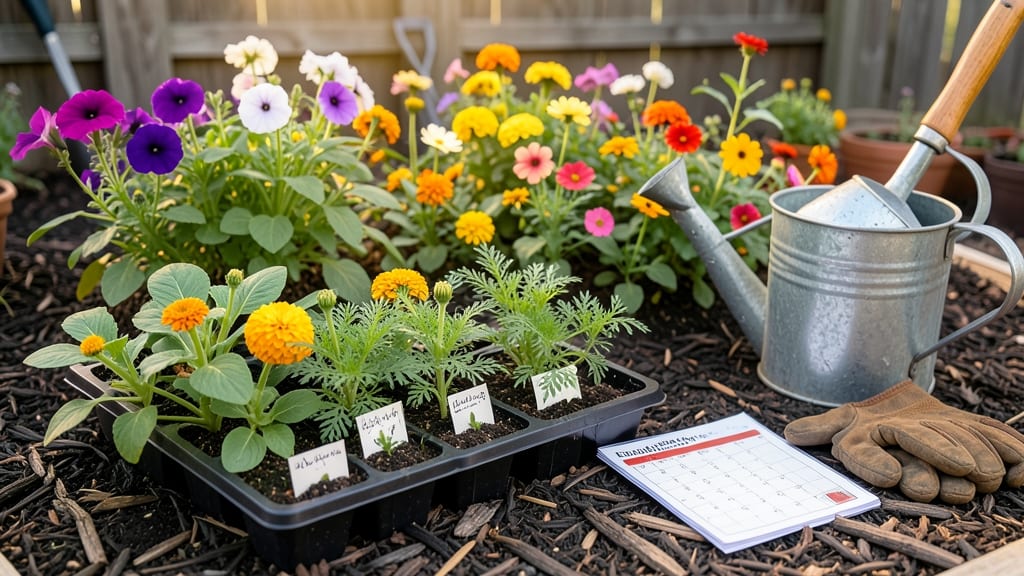
Timing your annuals planting in Chicago right is the difference between a vibrant garden and a sad, frost-nipped disappointment. With Zone 6a weather that swings from icy winds to scorching summers, knowing when to plant is everything.
Most gardeners wait until after the last frost—around April 15—but that’s just the start. Cool-season bloomers like pansies can go in as early as March, while heat-loving tomatoes need to wait until soil warms to 50°F.
The key? Understanding Chicago’s microclimates and adjusting for urban heat islands or lake-effect chill.
In this guide, I’ll break down the exact planting windows for your favorite annuals, whether you’re dreaming of June roses or fall marigolds. No more guessing—just science-backed timing to maximize your garden’s potential.
Ready to transform your yard into a year-round paradise? Let’s dive into the best months to plant, plus pro tips to stretch your growing season without risking frost. Your 🌸 garden starts here!
Chicago’s last frost dates by heat Zone: when to plant annuals safely
Chicago’s last frost dates vary slightly between urban heat islands (warmer) and suburban/rural areas (cooler), but the average last spring frost falls around April 15. However, Zone 5b/6a gardeners should wait until May 1 for warm-season annuals to avoid frost damage.
Urban areas may see a 1-2 week earlier last frost due to concrete absorbing heat.
For cool-season annuals like pansies or lettuce, you can start seeds indoors by March 1 or plant outdoors by March 20, using row covers to protect tender seedlings. Warm-season plants like tomatoes or marigolds, however, must wait until after May 15 when soil temperatures consistently stay above 55°F.
Chicago’s first frost typically arrives around October 15, but fall annuals (like cosmos or kale) can be planted until September 15 for a late-season display. Use microclimate knowledge—areas near Lake Michigan stay warmer longer, while inland spots freeze earlier.
🌱
| Planting Stage | Action | Urban Chicago | Suburban Chicago |
|---|---|---|---|
| Cool-Season Start Indoors | Sow seeds | March 1 | March 15 |
| Cool-Season Plant Outdoors | Transplant seedlings | March 20 | April 1 |
| Warm-Season Plant Outdoors | Transplant after frost | May 15 | May 1 |
| Fall Annuals Plant Outdoors | Direct sow or transplant | September 1 | September 15 |
| Soil Temperature Threshold | For warm-season plants | 55°F+ | 50°F+ |
Chicago’s USDA Zone 5b/6a classification means gardeners must account for microclimates. For example, Lincoln Park (urban) may have 2-3 weeks earlier last frost dates than Naperville (suburban). Always check local Almanac frost records or use a minimum thermometer to track soil temps.
To extend your planting window, use season extenders like cold frames or floating row covers. These tools can push spring planting back 2-3 weeks and fall planting forward 2-3 weeks, giving you a longer growing season for annuals like basil or zinnias.
For warm-season vegetables such as peppers or eggplants, wait until June 1 to plant outdoors—they thrive in 70°F+ soil. Start them indoors by March 15 for a head start. Succession planting every 2 weeks ensures a continuous harvest of bush beans or radishes.
🌿
Monitor weekly weather forecasts in late April and early May for frost warnings.
If a late frost is predicted, cover tender plants with frost cloth or move potted annuals to a protected location. Hardy annuals like calendula or nasturtiums can tolerate light frosts, making them ideal for early or late plantings.
Chicago’s lake effect creates warmer microclimates near Lake Michigan. Areas like Evanston or Rogers Park can support tropical annuals like hibiscus or ginger with proper seasonal care. In contrast, inland areas may need heat-tolerant varieties like black-eyed Susans or portulaca to survive summer heatwaves.
🌡️
Cool-season vs. warm-season annuals: Chicago planting timeline by type
Chicago’s cool-season annuals thrive in spring and fall when temperatures hover between 40°F and 75°F. These include pansies, snapdragons, and lettuce, which can handle light frosts and even grow under row covers for earlier starts.
Start seeds indoors by March 1 or sow directly in late March to April once soil warms to 40°F. For a fall display, plant late summer to early September for blooms before frost.
On the flip side, warm-season annuals like marigolds, tomatoes, and basil need consistent soil temps above 60°F and won’t tolerate frost. Wait until after May 15—Chicago’s average last frost date—to plant these outdoors.
For a head start, sow seeds indoors by April 1 and transplant after Memorial Day when nighttime temps stay above 55°F.
Here’s how to match your annuals to Chicago’s seasons for maximum blooms and harvests:
For succession planting, replace bolting lettuce or finished broccoli with new seeds every 2–3 weeks from May through July. This keeps your garden productive all season! Heat-tolerant varieties like ‘Heatwave’ basil or ‘Solar Power’ edible flowers are perfect for Chicago’s humid summers when temps can spike to 90°F+.
Pro tip: Use Chicago’s microclimates to your advantage. Gardens near Lake Michigan stay cooler, while urban areas like the Loop can be 5–10°F warmer—adjust planting dates accordingly. For example, plant warm-season veggies 1–2 weeks earlier in downtown areas compared to suburban zones.
Don’t forget to monitor your local Chicago National Weather Service alerts for unexpected late frosts in May or early freezes in September. A frost cloth can add 2–4°F of protection, giving you an extra 2–3 weeks of growing time in shoulder seasons. 🌱