
Plants
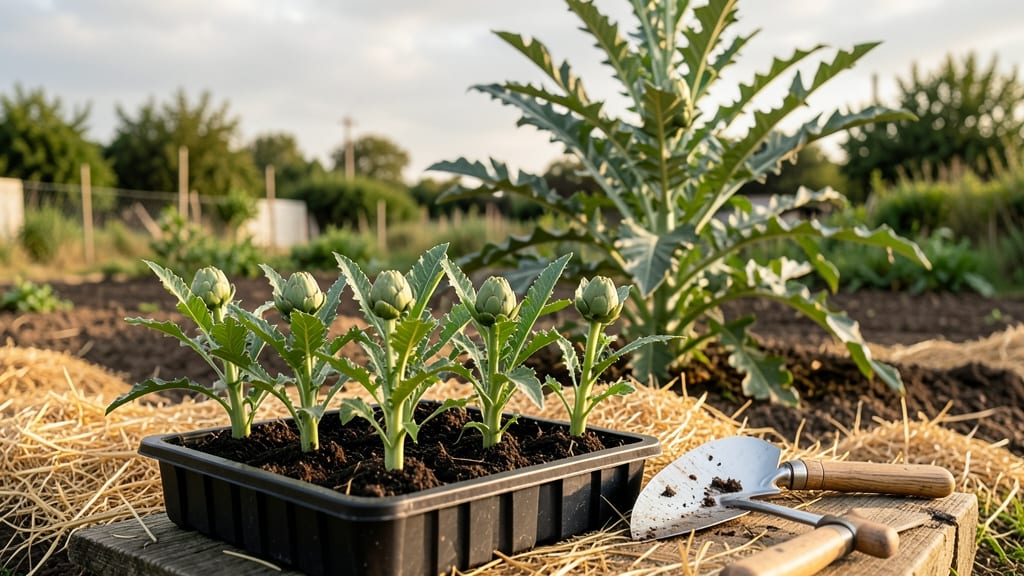
If you're dreaming of harvesting homegrown artichokes in Arizona, timing is everything—and getting it wrong could mean watching your plants bolt before they even produce a single edible bud.
The key to success lies in planting during Arizona's cooler months, when temperatures stay mild enough to prevent stress that triggers premature flowering.
Most gardeners in USDA Zone 9b know the struggle: scorching summers and unpredictable monsoons can turn artichoke growing into a gamble. But with the right strategy, you can beat the heat and avoid the dreaded bolt.
I'll show you exactly when to plant—whether you're in Phoenix's intense desert climate or Flagstaff's cooler highlands—so your 🌱 artichokes thrive from November through February.
Why does timing matter so much? Artichokes are cool-season crops that despise Arizona's summer furnace. Planting too early risks frost damage, while waiting too long means your plants will bolt before they mature.
The sweet spot? Late fall or early winter, when soil temperatures are just right for germination without the stress of extreme heat.
In this guide, I'll break down the exact planting windows, soil prep tips, and heat-management tricks that work in Arizona's unique climate.
You'll learn which varieties handle the desert best, how to water efficiently (because conserving water matters here), and when to expect your first harvest—all without the frustration of wasted effort. Let's get growing!
Best planting windows for Arizona artichokes: avoiding heat stress and bolting
Arizona’s USDA Zone 9b climate means artichokes must be planted strategically to avoid the 100°F+ summers that trigger premature bolting. The key window is late fall to early winter, when soil temps stay below 70°F—ideal for germination and early growth.
Most Arizona gardeners plant between November and February, aligning with the last frost date (Dec 15) in most regions. This timing lets plants establish roots before spring warmth arrives, reducing stress from sudden heat spikes.
For high-desert areas (e.g., Flagstaff), push planting to October-November due to cooler nights. In low-desert zones (Phoenix, Tucson), wait until December-January to avoid early heat exposure.
🌱Pro Tip: Use a soil thermometer—artichokes germinate best in 60-70°F soil. If temps rise above 75°F before sprouting, delay planting until conditions cool.
⚠️ Critical: Avoid planting after March 15—bolting becomes nearly inevitable.
If you miss the fall-winter window, consider container growing with shade cloth. Move pots to cooler microclimates (e.g., shaded patios) during peak summer to delay bolting.
For transplants, purchase 6-8 week old seedlings from local nurseries in November-December. Seedlings handle Arizona’s dry winds better than direct-sown seeds, which struggle with low humidity and poor germination rates.
🌡️Heat Hack: Monitor air temps—artichokes bolt when nights stay above 65°F for 3+ weeks. Use weather apps like AccuWeather to track nighttime lows.
In southern Arizona (Tucson, Sierra Vista), extend your window by 1-2 weeks—these areas experience earlier springs and hotter soils. Aim for December 1-January 15 planting to maximize harvest before summer.
📅Action Plan: Mark your calendar for December 1—this is the last safe date in most of Arizona to plant artichokes for a spring harvest before bolting takes over.
Best planting windows for Arizona artichokes: avoiding heat stress and bolting
Arizona’s USDA Zone 9b climate demands precise timing for artichoke planting—too early, and your plants bolt from heat stress; too late, and they won’t mature before summer’s intensity.
The ideal window spans November through February, when soil temps hover between 50°F and 75°F, perfect for germination and early growth. This timing aligns with Arizona’s cool-season and avoids the 100°F+ temperatures that trigger bolting.
For low-desert regions (Phoenix, Tucson), aim for November 15–January 15—cooler nights and shorter days slow growth just enough to prevent premature flowering. In higher elevations (Flagstaff, Prescott), extend planting until February 1, as frost risks linger until mid-January.
Always check your last frost date (typically December 15 in most areas) to avoid chilling sensitive seedlings.
| Region | Best Planting Window | Soil Temp Threshold | Key Risk |
|---|---|---|---|
| Low Desert (Phoenix/Tucson) | Nov 15–Jan 15 | 50°F–75°F | Heat stress/bolting |
| High Desert (Flagstaff) | Oct 1–Feb 1 | 45°F–65°F | Frost damage |
| Coastal (Yuma) | Nov 1–Dec 31 | 55°F–70°F | Salinity stress |
Use a soil thermometer to confirm temps before planting—artichoke seeds need 60°F+ soil to germinate reliably. In low-desert areas, pre-soak seeds for 24 hours to combat dryness, then plant 1 inch deep in loose, well-amended soil.
Space seedlings 2–3 feet apart to allow airflow, reducing fungal risks in Arizona’s humid monsoon season.
For container growing, plant in 15-gallon pots by January 1 to ensure roots establish before summer heat. Use a lightweight potting mix (add perlite) to prevent compaction, and place containers on elevated stands to improve drainage—a critical factor in Arizona’s calcareous soils.
Mulch with straw or wood chips to retain moisture and regulate soil temps.
Monitor your plants for bolt signs (elongated stems, yellowing leaves) after March 1. If bolting occurs, prune flower stalks immediately to redirect energy to bud development.
In extreme heat (above 90°F), provide 30% shade cloth during peak afternoon sun to protect tender leaves while maintaining 6+ hours of morning sunlight for energy production.
Pro tip: Succession plant every 2 weeks from November through January to stagger harvests. This ensures a continuous supply of artichoke buds from March through May, beating the summer heat wave. Pair with companion plants like basil or marigolds to deter pests and improve soil health.