
Plants
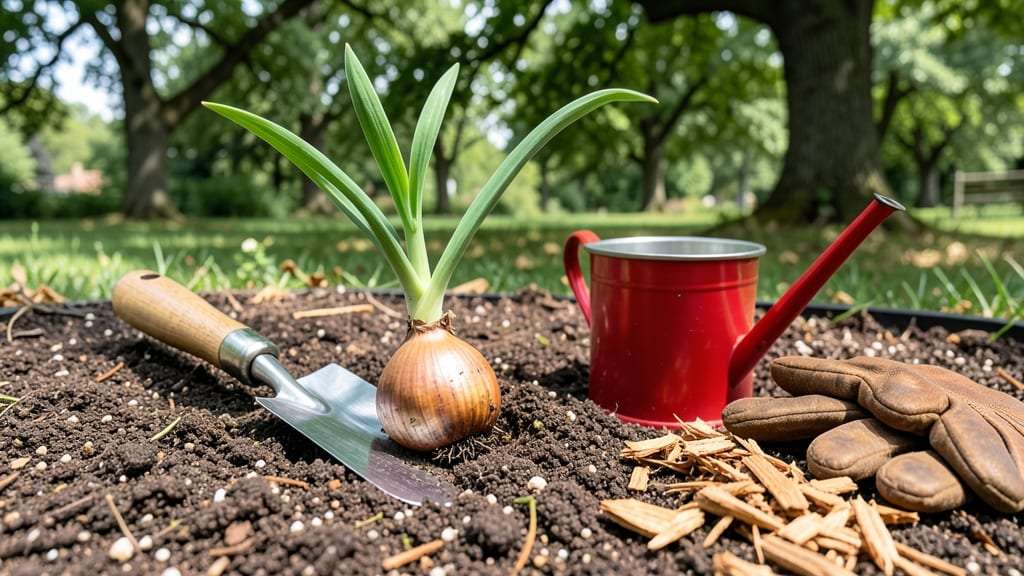
Timing your Asiatic Lily 🌸 bulb planting just right in spring can mean the difference between vibrant summer blooms and wasted effort—soil temperature is the secret trigger most gardeners overlook.
If you're in USDA Zone 6a like me, waiting until after your last frost (typically mid-April) isn't enough—you need to check when the soil warms to at least 50°F.
That 50°F soil temp is your green light to plant, and it usually arrives 2-3 weeks after the last frost date. Cold soil can stall growth, leaving your bulbs vulnerable to rot, while waiting too long risks missing the optimal April-May window for strong root establishment.
I've learned the hard way that planting too early in chilly soil leads to weak stems and fewer blooms. The key is balancing frost risk with soil warmth—think of it like timing a race where the starting pistol is your thermometer, not the calendar.
In this guide, I'll show you exactly how to use soil temperature as your planting compass, plus 5 foolproof signs your garden is ready for those 🌸 Asiatic Lily bulbs. Let's get those summer flowers off to the perfect start!
Asiatic lily planting timeline by soil temperature zones
Planting Asiatic lily bulbs in spring isn't just about avoiding frost—it's about soil temperature triggers. These bulbs need the ground to warm to at least 50°F (10°C) before they'll sprout reliably.
Cold soil can delay growth by weeks or even kill tender shoots. Let's break down the perfect planting window by USDA zones and soil conditions to ensure zero-frost blooms every summer.
Most gardeners focus on last frost dates, but Asiatic lilies actually prefer to be planted 2-4 weeks after that date. This gives the soil time to warm up naturally. In colder zones (3-5), aim for early May when soil consistently stays above 55°F (13°C) during the day.
Warmer zones (6-10) can plant as early as mid-April, provided nighttime temps stay above 40°F (4°C).
Here's how to calculate your exact planting window using soil thermometer readings—the most accurate method. Check soil temperature at 10 AM for 3 consecutive days. If it's 50°F+ (10°C+) at 6-inch depth, your bulbs are ready to go.
This method works better than calendar dates because spring weather varies wildly year to year.
For gardeners in Zone 5 or colder, consider using black plastic mulch or straw mulch to raise soil temperatures by 5-10°F. This can push your planting window back by 2-3 weeks, giving you earlier blooms.
Just remove the mulch after planting to prevent overheating. In Zone 8+, you can even plant as early as February in protected microclimates like against south-facing walls.
One common mistake is planting too early in Zone 6 because the calendar says "after last frost." But if your soil is still 45°F (7°C), those bulbs will rot before sprouting. Always check soil temperature—it's the most reliable indicator.
I once planted Asiatic lilies in early April in Zone 6 because I trusted the frost date, only to lose half my bulbs to cold soil. Now I wait for that 50°F trigger every year.
If you're in a transition zone (like Zone 7b), use a soil thermometer for 5 days to confirm consistency. Morning temps can drop below 50°F even after the last frost.
For container growing, plant when your potting mix reaches 55°F (13°C)—containers warm up faster than garden soil. Just ensure your pots have drainage holes to prevent bulb rot.
Remember that Asiatic lilies need 6-8 weeks of warm soil to establish roots before blooming. Planting too late (after June 1st) in most zones means you'll miss summer flowers entirely. The ideal window is April-May for Zone 6, but adjust based on your soil's actual temperature.
Use this timeline as your guide, and you'll enjoy bold summer blooms every year without guessing.
For extra insurance against late frosts, choose early-blooming varieties like 'Red Beauty' or 'Stella de Oro'. These mature faster and can sometimes bloom even if planted slightly late. Pair your planting with a light mulch layer (1-2 inches) to maintain even soil temperatures once your bulbs are in the ground.
5 Signs your soil is ready for Asiatic lily bulbs (beyond calendar dates)
Checking the calendar for last frost dates is helpful, but your Asiatic lily bulbs care for success starts with the soil. Cold ground can shock delicate roots, while warm, moist earth signals it’s time to plant.
I’ve learned the hard way—planting too early in chilly soil can stunt growth or even rot bulbs before they bloom. Instead, focus on these field-ready indicators that trump guesswork.
First, dig a 6-inch hole and check the soil temperature with your finger. If it feels warm to the touch (around 60°F or 15°C), your bulbs are ready.
Pro tip: Use a DIY soil thermometer—fill a small jar with soil, add water, and check the temperature after 24 hours. This method is foolproof for spring planting accuracy.
Worms thrive in 60°F+ soil. If you spot them near the surface, it’s time to plant.
Squeeze a handful—if it crumbles but holds shape, moisture levels are perfect.
Nearby trees (like maples) dropping leaves signal warming soil.
If your bulbs show green shoots in pots, plant them immediately.
A fresh, earthy scent means active microbes—ideal for root growth.
Don’t ignore drainage tests either. After digging, fill the hole with water and wait 30 minutes. If it drains completely, your soil is well-aerated. Poor drainage? Amend with compost or perlite before planting. I’ve seen Asiatic lilies rot in soggy soil—a heartbreaking mistake to avoid!
Timing matters even more than you think. Planting too early risks frost damage to emerging shoots, while waiting too long delays those showstopping summer blooms. Use these signs as your green thumb guide—they’ve never failed me.
For extra peace of mind, pair this method with your local frost-free date for foolproof results.
Pro move: Mark your planting spot with bamboo stakes once you confirm readiness. This keeps you from digging in the wrong area later. Trust me, your future Asiatic lilies will thank you with bold, vibrant blooms all summer long!