
Plants
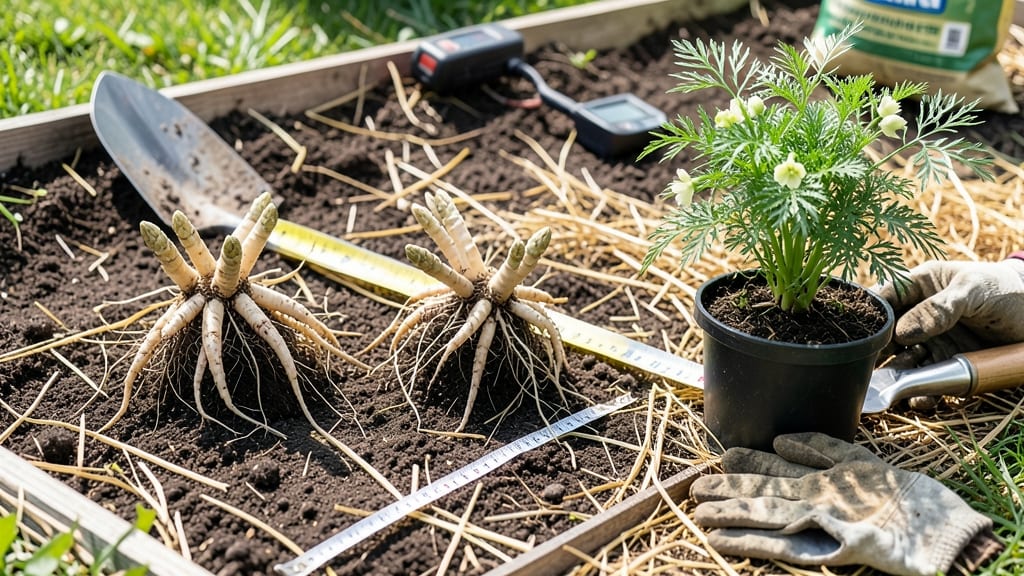
Planting asparagus in Zone 6 at the wrong time means waiting years—or worse, watching your investment fail. Unlike fast-growing veggies, asparagus crowns need cool soil and patience to establish roots before they’ll reward you with spears. The key? Planting 2-4 weeks before your last frost when soil temps hover between 40-50°F—not when the air feels spring-like.
Most gardeners in 6a-6b zones rush planting asparagus too early, only to see their crowns rot in cold, soggy soil. Or they wait too long, and the heat stresses the delicate roots before they’ve had a chance to spread.
The solution? Test your soil temperature with a probe or dig down 6 inches—that’s where the action happens. If it’s still chilly, hold off until the ground warms just enough to encourage root growth without shocking the plant.
Here’s the game-changer: Crowns (not seeds) are your best bet for Zone 6 gardeners, giving you a head start on that 2-3 year harvest wait. Plant them in trenches, cover with 6 inches of soil, and let nature do the rest.
With the right timing, you’ll skip the common mistakes that turn asparagus dreams into years of digging for nothing. Let’s get your patch set up for success—starting with the perfect planting window.
In this guide, I’ll break down exactly when to plant, how to prep your soil for maximum root spread, and the 5 critical steps that separate a thriving asparagus bed from a disappointing one. No more guesswork—just spears on the table by year three.

Ideal planting window for asparagus in Zone 6: soil temperature rules
In Zone 6, timing your asparagus planting to soil temperature—not just frost dates—is the key to strong root establishment and faster harvests. Asparagus crowns need soil between 40°F and 50°F to thrive, a range that typically aligns with early spring (March to early April) before the ground warms further.
Planting too early risks frost damage, while waiting too long can stunt root growth.
For Zone 6 gardeners, the optimal window is 2-4 weeks before your last average frost date (usually mid-April). This gives crowns time to root before summer heat arrives.
In my garden, I’ve found that late March is ideal—soil is cool but workable, and crowns get a head start before spears emerge.
Most gardeners plant 1-year-old crowns (not seeds) because they establish faster. Crowns need 12-18 inches of space and 12 inches of soil depth to spread roots deeply. If you miss spring, fall planting (September) is possible, but roots may not fully establish before winter in Zone 6.
To check soil temperature, use a soil thermometer buried 4 inches deep. Aim for 45°F–50°F—this is the sweet spot for asparagus. In my experience, morning readings are most accurate, as afternoon sun can skew temperatures higher.
🌱 Key Soil Temp Rules for Zone 6 Asparagus
| Stage | Soil Temp | Action |
|---|---|---|
| Planting | 40°F–50°F | Plant crowns 2–4 weeks before last frost |
| Root Growth | 50°F–60°F | Ideal for deep root spread |
| Spear Emergence | 60°F+ | Mound soil to encourage spears |
Microclimates matter! If your garden sits in a low spot or near water, soil may stay cooler longer—plant 1-2 weeks later. Conversely, south-facing beds warm faster, so plant earlier there. I’ve seen a 10°F difference between shaded and sunny spots in the same yard!
For fall planting, aim for September when soil cools to 50°F–60°F. Crowns may not produce spears the first year, but roots will establish for a stronger harvest in Year 2. In Zone 6, this is riskier due to early frosts, so spring is the safer bet.
Pro tip: Mulch heavily after planting with straw or wood chips to insulate roots and maintain even soil temps. This is especially critical in Zone 6, where temperature swings can stress young plants. I’ve seen mulched beds stay 5°F cooler in summer and 3°F warmer in spring!
Remember, asparagus is a patient plant—it takes 2-3 years to harvest. Planting at the right time ensures you’re not waiting extra years for spears. In my garden, crowns planted in late March produced harvests by Year 2, while those planted in May took until Year 3.
If you’re unsure about your last frost date, check your local cooperative extension service—they provide hyper-local data tailored to your Zone 6 sub-region. Timing is everything, and a little research now saves years of frustration later. 🌱
How to prepare Zone 6 soil for asparagus planting: 5 key steps for root success
Preparing your Zone 6 soil for asparagus isn’t just about digging a hole—it’s about creating a nutrient-rich, well-draining environment that encourages deep root spread. Asparagus crowns need loose, fertile soil with a pH between 6.5-7.5 to thrive.
If your soil is heavy clay or compacted, roots will struggle to establish, delaying your first harvest by years.
Start by testing your soil pH and texture at least 4-6 weeks before planting. A simple home test kit or local extension office analysis will reveal if you need to amend acidity or drainage.
Asparagus hates soggy roots, so if your yard floods after rain, consider raised beds or mounded rows to improve airflow.
- Test & Adjust pH: Aim for 6.5-7.5 (use lime to raise or sulfur to lower).
- Loosen Heavy Soil: Mix in 2-3 inches of compost and 1 inch of coarse sand per square foot.
- Dig Trenches: Create 12-inch-deep trenches (12-18 inches apart) to encourage vertical root growth.
- Add Organic Matter: Work in well-rotted manure or leaf mold for long-term fertility.
- Mulch Heavily: Use 4-6 inches of straw or wood chips to retain moisture and suppress weeds.
For clay soil, blend in peat moss or perlite to break up compaction. If your garden is sandy, incorporate composted leaves or coconut coir to retain moisture. Avoid fresh manure—it can burn crowns and introduce diseases. Instead, opt for aged compost or worm castings for gentle, steady nutrition.
Asparagus crowns are sensitive to soil temperature fluctuations, so time your amendments when soil is 40-50°F (early spring). Work the soil no deeper than 12 inches—deeper disturbances can damage emerging roots.
After planting, mound soil gradually as spears appear to protect new growth from frost and encourage straighter harvests.
Pro tip: Plant in trenches and cover with 6 inches of soil initially. As spears emerge in Year 2, add more soil to prevent spears from bending. This method also makes future harvests easier—just pull spears from the loosened soil without disturbing roots.
Finally, avoid tilling after planting—it disrupts the delicate root network asparagus relies on. Instead, use a broadfork to aerate soil lightly around established plants. With the right prep, your Zone 6 asparagus patch will reward you with decades of harvests—but only if you nail these soil fundamentals first.