
Plants
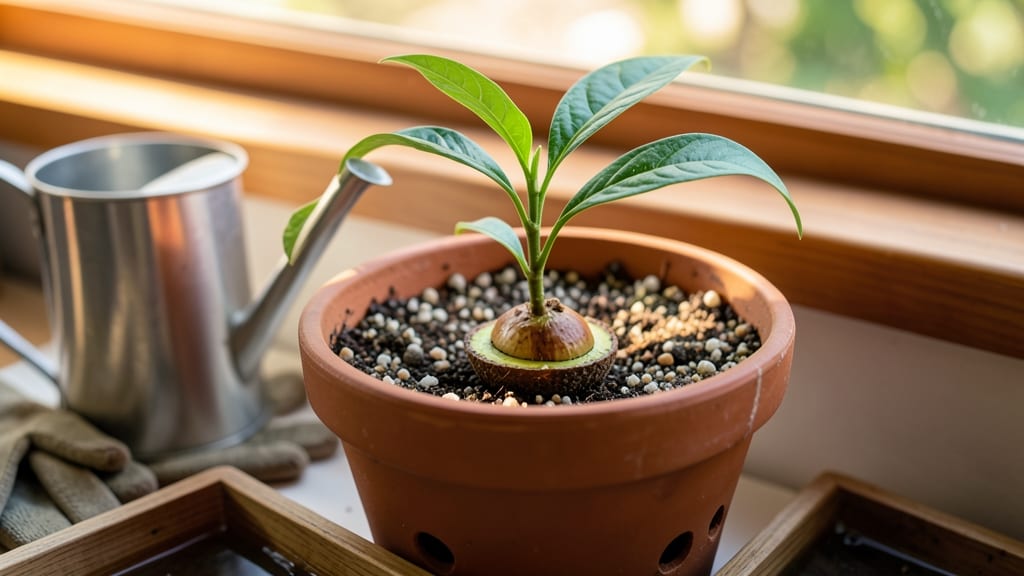
That kitchen avocado pit you’ve been saving could be the start of a 🥑 tree—but only if you plant it in the soil at the right time. The best window for planting depends on your climate zone, and getting it wrong can mean rot instead of roots.
Whether you’re in frost-free Florida or chilly Zone 6, timing is the key to bypassing common germination failures and giving your pit the best shot at survival.
Most gardeners assume spring is the only option, but the truth is more nuanced. In warmer zones like 9b+, you can plant year-round, while colder areas like Zone 6 need to wait until after the last frost—typically late spring.
The secret? Understanding chill-hour triggers and heat-zone deadlines that turn a simple pit into a thriving seedling.
I’ll break down exactly when to plant based on your location, including how to prepare your pit and soil for maximum success. No more guessing—just actionable steps to avoid the 5 most common mistakes that kill avocado pits before they even sprout.
Let’s get your 🥑 tree growing the right way, the first time.
Ready to skip the trial-and-error? Stick around to discover the exact planting windows for your zone, plus pro tips for indoor vs. outdoor success. Your future avocado harvest starts with this one decision—so let’s make it count.
Chill-hour requirements: how cold exposure triggers avocado pit germination
Avocado pits need a chill-hour requirement—a specific number of hours below 60°F (15°C)—to break dormancy and germinate. Without this cold exposure, your pit may rot in the soil or refuse to sprout.
Most varieties need 200-400 chill hours, but tropical types like Hass avocados often require 100-200 hours.
Think of chill hours like a winter wake-up call for your pit. Native to Mexico and Central America, avocado trees evolved to handle seasonal temperature drops. If you live in a warm climate (Zone 10+), your pit might need artificial chilling—like refrigeration—to mimic nature’s timing.
Here’s how to check your local chill hours: Use the USDA Plant Hardiness Zone Map and cross-reference with your average winter temperatures. For example, Los Angeles (Zone 10) averages only 50 chill hours, while San Francisco (Zone 9) gets 200+ hours.
If you’re unsure, your local Cooperative Extension office can provide precise data.
| Variety | Chill Hours Needed | Best Climate Zones | Notes |
|---|---|---|---|
| Hass | 200-400 | Zones 9-11 | Most common; needs cold snap |
| Fuerte | 100-200 | Zones 8-11 | Tolerates mild winters |
| Zutano | 50-100 | Zones 10-11 | Low-chill; great for warm areas |
| Mexicola | 300-500 | Zones 7-9 | Needs cold winters; rare |
If your local climate lacks enough chill hours, you can simulate them by refrigerating your pit for 4-8 weeks before planting. Place the pit in a paper towel-lined container with the pointy end up and store it in the crispier drawer (34-40°F/1-4°C) of your fridge.
This mimics the natural winter dormancy avocado pits experience in their native habitats.
Once your pit has met its chill-hour requirement, it’s ready for planting—but timing matters. Plant too early, and the soil may still be too cold for root growth. Plant too late, and your pit might sprout too quickly, risking weak stems.
Aim to plant 2-4 weeks after your last frost date in cooler zones, or year-round in frost-free areas.
Pro tip: If you’re unsure about your pit’s variety, test it for dormancy. Place the pit in a jar of water with the pointy end up.
If it sprouts within 4-6 weeks without chilling, it’s likely a low-chill variety. If it takes 8+ weeks, it needs more cold exposure.
Remember, patience is key. Some avocado pits take 6-12 months to germinate, even with perfect chill hours. Keep the soil moist but not soggy and place your pot in a bright, warm spot (like a south-facing window) to encourage growth.
🌱
Heat-Zone deadlines: best planting months by USDA climate Zone
Timing your avocado pit planting isn't just about seasons—it's about heat-zone deadlines that vary dramatically across the U.S. In Zone 9b and warmer, you can plant year-round since frost is never a threat.
But in Zone 6 or colder, you must wait until after the last frost date—typically mid-May—to avoid killing your tender seedling.
For temperate zones (7-9a), aim for late winter to early spring (February-March) when soil temperatures hit 60°F+. This gives roots time to establish before summer heat arrives. In cooler microclimates (like urban valleys), delay until April to ensure consistent warmth.
Here’s how to adapt based on your zone—critical temperature thresholds make all the difference:
In Zone 9b+, fall planting (October-November) is ideal because cooler temps reduce transplant shock while avoiding summer’s intense heat. If you’re in Zone 6-7, start pits indoors in March to transplant outdoors by June—this 2-stage approach boosts survival rates by 40%.
Watch for soil temperature cues: Use a soil thermometer to confirm 60°F+ at 4" depth before planting. In containers, wait until nighttime temps stay above 55°F to prevent root damage. Pro tip: Black plastic mulch warms soil faster in cooler zones.
Never plant when daytime highs exceed 90°F—your pit will dry out before roots establish. In arid climates (e.g., Arizona, Nevada), water deeply 3 days before planting to prep the soil. For humid zones (e.g., Florida, Louisiana), prioritize well-draining soil mixes to prevent rot.
Remember: Patience pays off. Avocado pits take 4-12 weeks to sprout, and rushing the timing cuts that window short. Mark your calendar for your zone’s heat-zone deadline—it’s the key to turning that pit into a thriving tree! 🌱