
Plants
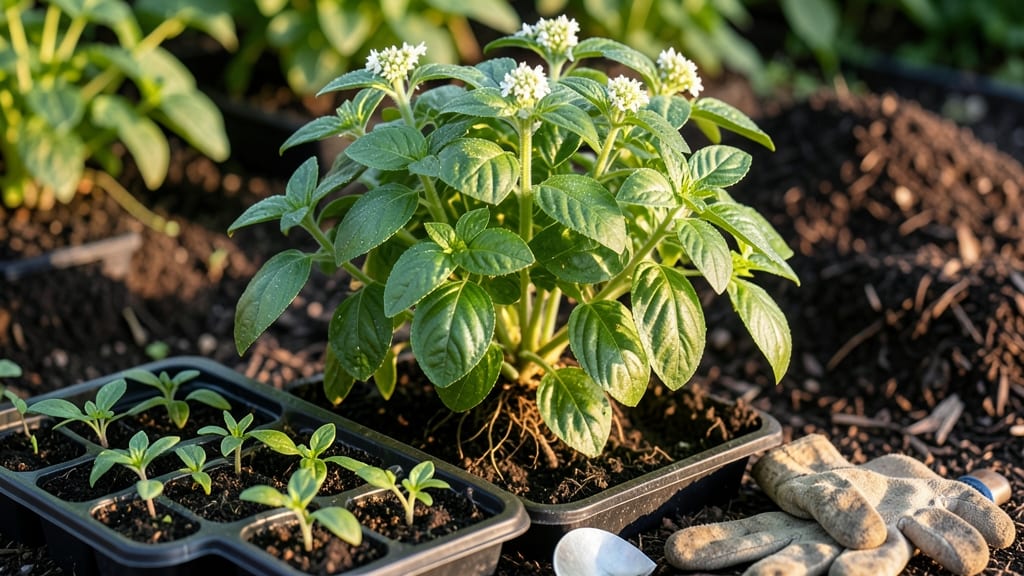
Timing your basil planting in Maryland can make the difference between a thriving herb garden and a sad, frost-killed experiment. With USDA Zone 7b weather that swings from chilly springs to sweltering summers, knowing exactly when to plant is the key to a bountiful harvest from June through September.
Most Maryland gardeners wait until after the last frost—typically April 15 to May 15—when soil temperatures hit at least 50°F. But here’s the catch: rushing too early risks cold damage, while waiting too late might mean missing your first harvest window.
I’ll break down the best strategies to get your 🌿 basil off to a perfect start, whether you’re sowing seeds directly or transplanting seedlings.
You’ll also discover how to adjust for Maryland’s microclimates—urban heat islands vs. rural chill zones—and when to start seeds indoors for a head start. Plus, I’ll share my top tips for extending your basil season so you can keep harvesting well into fall.
Ready to grow basil that’s lush, flavorful, and ready to harvest in just 45 days? Let’s dive into the exact planting timeline and techniques that work for Maryland’s climate.
Maryland basil planting timeline: exact frost-free dates for USDA Zone 7B
Maryland’s USDA Zone 7B gives us a 165-day frost-free window, and basil thrives when planted after the last frost—typically between April 15 and May 15. However, this date can shift ±2 weeks depending on your microclimate.
Check NOAA’s Frost/Freeze Data or the Maryland Extension’s Planting Calendar for your county’s exact last frost date.
For direct sowing, wait until soil temperatures reach at least 55°F—a soil thermometer is your best tool. If you’re transplanting seedlings, aim for 2–4 weeks after your last frost to give plants time to establish roots before Maryland’s summer heat arrives.
Basil is a warm-season herb, meaning it won’t tolerate cold snaps. Even a light frost (28°F) can damage young plants, so avoid planting before May 1 unless you’re using protective measures like row covers.
Here’s a quick guide to Maryland’s basil planting timeline based on your location’s frost risk:
| Stage | Action | Notes |
|---|---|---|
| Late March | Start seeds indoors | 6–8 weeks before last frost |
| April 15–May 15 | Direct sow or transplant | Soil temp ≥55°F, no frost risk |
| May–June | Harvest begins | Pinch flowers for leafy growth |
| September | Last harvest | Before first frost (Oct 15) |
If you live in northern Maryland (Zone 7a), err on the later side (May 1–15) to avoid late frosts. Southern Maryland gardeners in Zone 8a can plant as early as April 1, but monitor weather forecasts for cold snaps.
For container gardening, basil can be planted 2 weeks earlier since pots warm up faster. Just ensure containers have drainage holes and use a lightweight potting mix to prevent root rot.
Pro tip: Use a plant heat mat if sowing seeds in early April. These raise soil temps by 5–10°F, helping basil germinate faster in Maryland’s cool springs.
Remember, basil is an annual in Maryland, so plan to replant seeds or buy new plants next spring. However, you can harvest leaves all season (June–September) if you keep plants healthy and protected from pests like aphids and spider mites.
🌱
How to extend basil season in Maryland: 3 proven techniques
Maryland’s short growing season can cut basil harvests short, but with the right strategies, you can enjoy fresh leaves well into fall. The key is staggered planting, season extension tools, and indoor prep—all tailored to Maryland’s USDA Zone 7B climate.
Let’s break down how to maximize your basil’s time in the ground.
First, start seeds indoors 6–8 weeks before your last frost date (typically mid-March to early April). Use biodegradable pots to avoid transplant shock, and place them under grow lights for 12–14 hours of light daily.
This head start gives you a jump on the season and ensures seedlings are robust enough for outdoor transplanting.
🌱
Don’t overlook hardening off your seedlings—this 7-day process of gradually exposing them to outdoor conditions (starting with 2 hours/day) prevents shock when transplanting. Maryland’s unpredictable spring weather (like the 2021 late frost) can devastate unhardened plants, so take this step seriously.
For container gardening, choose large pots (12+ inches deep) with drainage holes to mimic Maryland’s well-draining soil. Place pots in full sun (6+ hours) and move them indoors before the first frost (around mid-October).
With this approach, you can enjoy basil well into November on a sunny windowsill.
🌿