
Plants
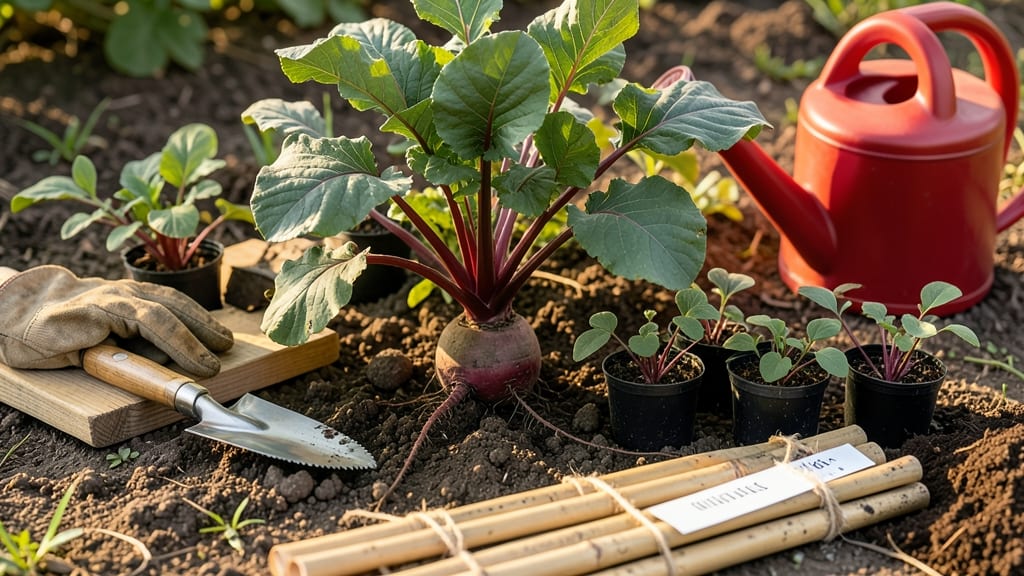
Timing your beet 🍠 planting in Arizona isn’t just about the calendar—it’s about outsmarting the desert’s extremes. Skip the summer heat, and you’ll miss out on sweet, tender roots that thrive in cooler months when the soil stays just right.
Here’s the game-changer: Plant your beets in September through November for a fall harvest, or February to March for spring. These windows give your beets the ideal balance of moisture and temperature, avoiding the brutal 100°F+ summers that turn soil into baking powder.
But Arizona’s microclimates—like Phoenix’s low desert vs. Flagstaff’s cooler highlands—change the rules. A 5°F difference can mean the difference between success and struggle. I’ll break down exactly when to plant in your specific zone and how to adapt for heat or altitude.
Ready to grow crisp, flavorful beets that actually survive the desert? Let’s dive into the perfect planting schedule for your backyard, whether you’re in the Sonoran sun or the high-country chill.
Best months to plant beets in Arizona’s climate zones
Arizona’s diverse landscapes—from the low desert of Phoenix to the mid-elevation areas of Flagstaff and the high desert of Prescott—create wildly different growing conditions for beets. Unlike cooler climates, beets thrive in mild temperatures and bolt (go to seed) when exposed to heat above 80°F.
This means timing is critical to avoid bitter, tough roots or wasted efforts. Let’s break down the ideal planting windows for each Arizona zone to maximize your harvest.
In Zone 9b (Phoenix, Tucson), where summers can hit 110°F+, beets are best planted in fall (September–November) or early spring (February–March). The cool-season crops need soil temperatures below 75°F to germinate properly.
Meanwhile, higher elevations (Flagstaff, Prescott) with cooler nights can extend the window slightly, allowing for late summer (August) or early fall plantings if you use shade cloth to protect seedlings.
Here’s the golden rule: Avoid planting beets between April and August—this is when Arizona’s intense heat and drought conditions make it nearly impossible for beets to thrive.
Instead, focus on cooler months when daytime highs stay below 85°F and nights dip below 60°F. This ensures sweet, tender roots rather than woody, bitter ones.
🌱 Arizona Beet Planting Guide by Climate Zone
| Zone | Best Planting Months | Soil Temp | Key Tips |
|---|---|---|---|
| Low Desert (Phoenix, Tucson) | Sep–Nov, Feb–Mar | 55–75°F | Use shade cloth in late fall; mulch to retain moisture. |
| Mid-Elevation (Flagstaff) | Aug–Sep, Mar–Apr | 50–70°F | Cooler nights allow late summer plantings; watch for early frosts in Oct. |
| High Desert (Prescott) | Jul–Aug, Mar–Apr | 45–65°F | Longer growing season; succession plant every 2 weeks for continuous harvest. |
💡 Pro Tip: Test soil temps with a soil thermometer—beets won’t germinate well above 80°F.
If you’re in the low desert, September is your best bet—soil is still warm enough to encourage germination, but daytime temps are cooling. For Flagstaff and Prescott, late July or early August can work if you’re willing to provide afternoon shade and water deeply.
The key is to time your planting so that beets mature before the heat ramps up in late spring or before winter frosts (though Zone 9b rarely sees frost).
Succession planting is your secret weapon in Arizona. Instead of sowing all your seeds at once, plant every 2–3 weeks from September through November (or February through March). This ensures a continuous harvest and reduces the risk of bolting (going to seed) due to sudden heat spikes. For example, a September sowing might yield harvest-ready beets by November, while a late October sowing could be ready by January—just in time for holiday meals.
One common mistake I see in Arizona gardens is planting beets too early in spring. By April, soil temps can spike to 90°F+, causing seeds to rot in the ground or sprout erratically. Always check soil temps before planting—aim for 55–75°F for optimal germination.
If you’re unsure, wait until after the last 90°F day in your area, which typically occurs in late March for high desert and early April for mid-elevation, but May for low desert is often too late for a reliable crop.
For container gardening in Arizona, timing is even more critical because pots heat up faster than in-ground beds. Stick to fall plantings and place containers in shaded areas during peak afternoon sun. Self-watering pots can help maintain consistent moisture, which is key for preventing bolting in containers.
If you’re in Phoenix, elevate containers to improve airflow and reduce heat retention.
Finally, don’t overlook microclimates within your garden. A north-facing bed stays cooler than a south-facing one, allowing for earlier or later plantings. If your garden has partial shade (like under a drip irrigation shade cloth), you can extend the season by 2–3 weeks compared to full-sun areas.
Always observe your garden’s unique conditions—what works for your neighbor’s yard might not work for yours!
How to extend beet growing season in Arizona heat
Arizona’s summer heat can turn your beet seeds into crispy snacks before they even sprout—but with the right strategies, you can trick the desert into growing sweet, tender beets even in June and July.
The key is creating a cooler microclimate that mimics fall-like conditions when temperatures drop naturally. Here’s how to beat the heat and extend your beet-growing season.
First, focus on shade and soil moisture. Beets bolt (flower prematurely) when stressed by heat, so providing afternoon shade with 30-50% shade cloth can lower soil temps by 10-15°F.
Pair this with deep mulching (3-4 inches) of straw or wood chips to retain moisture and insulate roots. This combo keeps soil temps ideal for germination and growth.
Install afternoon shade (1 PM–5 PM) to reduce soil temps by 10-15°F and prevent bolting. Secure cloth with stakes to avoid touching leaves.
Apply straw or wood chips to block heat and retain 80% more moisture. Replenish after heavy rains to maintain coverage.
Soak soil 1-2 inches per week (early morning) to encourage deep root growth. Avoid evening watering to prevent fungal diseases.
Raised beds warm up 2-3°F faster in spring but cool down quicker in summer. Fill with 50% compost for better moisture retention.
For succession planting, sow new seeds every 2-3 weeks from September through November to ensure a continuous harvest. This staggered approach gives you fresh beets even as summer heat fades.
If you’re daring, try late July plantings in shaded areas—just be prepared to harvest quickly (in 45 days) before monsoon rains arrive.
Finally, monitor your beets for heat stress signs: yellowing leaves, stunted growth, or hollow stems. If you spot these, provide extra shade immediately and increase watering frequency to every other day.
With these tactics, you can enjoy homegrown beets year-round in Arizona, even when the thermometer hits 110°F.