
Plants
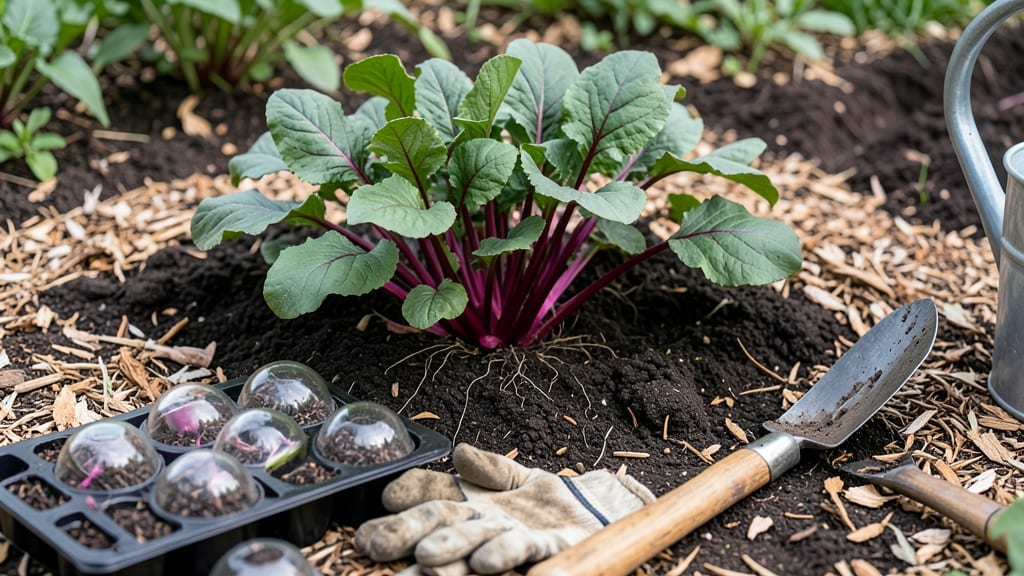
Timing your beets planting in Central Florida can mean the difference between sweet, tender roots and bitter, bolted greens—especially when summer’s relentless heat is lurking just around the corner.
If you’ve ever watched your 🍠 seedlings stretch toward the sky or taste the sharpness of heat-stressed roots, you know how critical the right window is. The key?
Planting between September and October for fall harvests—or February to March for spring—when temperatures stay mild enough to prevent bolting while still giving your beets time to mature before Florida’s unpredictable weather shifts.
But here’s the catch: even in Zone 9a, a few extra steps—like choosing heat-tolerant varieties or using shade cloth—can extend your growing season and keep your beets thriving.
I’ll walk you through the exact months to plant, the best varieties for Florida’s climate, and pro tips to avoid common pitfalls so you can enjoy homegrown beets all season long.
Ready to skip the guesswork and grow beets that taste as good as they look? Let’s dive into the perfect planting schedule tailored just for Central Florida’s unique conditions.
Best planting months for beets in Central Florida (avoiding heat stress & bolting)
Central Florida’s USDA Zone 9a climate creates unique challenges for growing beets—heat stress and premature bolting are the biggest enemies. Unlike cooler climates, we can’t just plant in spring and expect success. The key is timing your plantings to align with cooler temperatures while still maximizing your harvest window.
Beets thrive in 60-70°F soil temperatures, which is why fall and early spring are your best bets. Summer plantings will almost certainly result in bitter, fibrous roots or plants that bolt (send up flower stalks) before you can harvest.
Let’s break down the exact months to plant for zero risk of bolting.
| Season | Planting Window | Harvest Window | Key Considerations |
|---|---|---|---|
| Fall | Late August - October | October - December | Best success; avoid late October if frost risk exists |
| Winter | January (light frost risk) | February - March | Use row covers for protection; slow growth |
| Spring | February - March | April - May | Highest yield potential; harvest before summer heat |
| Summer | Avoid (June - August) | N/A | Extreme heat causes bolting and bitter roots |
For fall plantings, start seeds in late August to give them time to mature before temperatures drop. Beets grown in fall will be ready for harvest by October or November, just in time for holiday meals.
If you’re ambitious, you can even try a winter planting in January, but be prepared to use frost blankets to protect tender seedlings.
Spring is your second-best window for beets in Central Florida. Plant seeds in February or early March to ensure they’re harvested by late April or May, before the summer heat sets in. This timing gives you 60-70 days of ideal growing conditions, perfect for developing sweet, tender roots.
One pro tip for extending your growing season is using shade cloth during the hottest afternoons. A 30-50% shade cloth can lower soil temperatures by 10-15°F, making summer plantings slightly more manageable. Just remember—never plant beets in full summer heat without shade, or you’ll risk bolting.
If you’re new to growing beets in Florida, start small with a 4x4 foot bed and experiment with different planting times. Keep a planting journal to track which months yield the sweetest roots. With the right timing, you can enjoy fresh, homegrown beets for nearly half the year!
Remember, consistent moisture is just as critical as timing. Beets hate drying out, so mulch heavily after planting to retain soil moisture. This is especially important in Florida’s dry winter months when evaporation rates can spike unexpectedly.
For those in Central Florida’s inland areas (like Orlando or Ocala), you may need to adjust your planting window by 1-2 weeks earlier than coastal areas (like Cocoa Beach). Inland temps can climb faster, so late August plantings might bolt sooner than coastal plantings.
Finally, succession planting is your friend. Instead of planting all your beets at once, stagger seeds every 2 weeks from August through March. This ensures a continuous harvest and reduces the risk of losing your entire crop to heat or frost.
Best planting months for beets in Central Florida (avoiding heat stress & bolting)
Central Florida’s USDA Zone 9a climate offers two prime windows for growing sweet, tender beets: fall and spring. The key is avoiding the scorching summer heat, which triggers bolting (flowering) and turns roots woody.
My best advice? Plant in September-October for fall harvests or February-March for spring yields.
Beets thrive when daytime highs stay below 85°F. In Central Florida, this means fall planting (late summer to early fall) gives you cool weather growth before winter slows things down. Spring planting starts early enough to avoid April’s heat spikes but still yields before summer arrives.
Here’s my exact monthly breakdown for zero bolt risk:
| Season | Planting Month | Harvest Window | Key Tip |
|---|---|---|---|
| Fall | September-October | November-December | Use row covers if temps drop below 40°F |
| Spring | February-March | April-May | Mulch heavily to retain moisture |
| Extended Fall | August (shade cloth) | September-October | Provide 30-50% shade during peak heat |
| Late Winter | January | March-April | Choose heat-tolerant varieties like 'Early Wonder' |
For extended growing seasons, try shade cloth (30-50%) in late summer or row covers in winter. I’ve had success with August plantings under shade, yielding harvests by October. Just remember: consistent moisture is critical—beets hate drying out!
Pro move: Sow seeds every 2 weeks in your chosen window for continuous harvests. Thin seedlings to 3-4 inches apart when they’re 2 inches tall to prevent competition. In Central Florida’s sandy soil, I always mix in compost before planting to improve moisture retention.
Timing isn’t just about months—it’s about temperature. Aim for soil temps between 60-70°F for germination. Use a soil thermometer if you’re unsure. With the right timing, you’ll avoid bolting and enjoy sweet, juicy beets all season!