
Plants
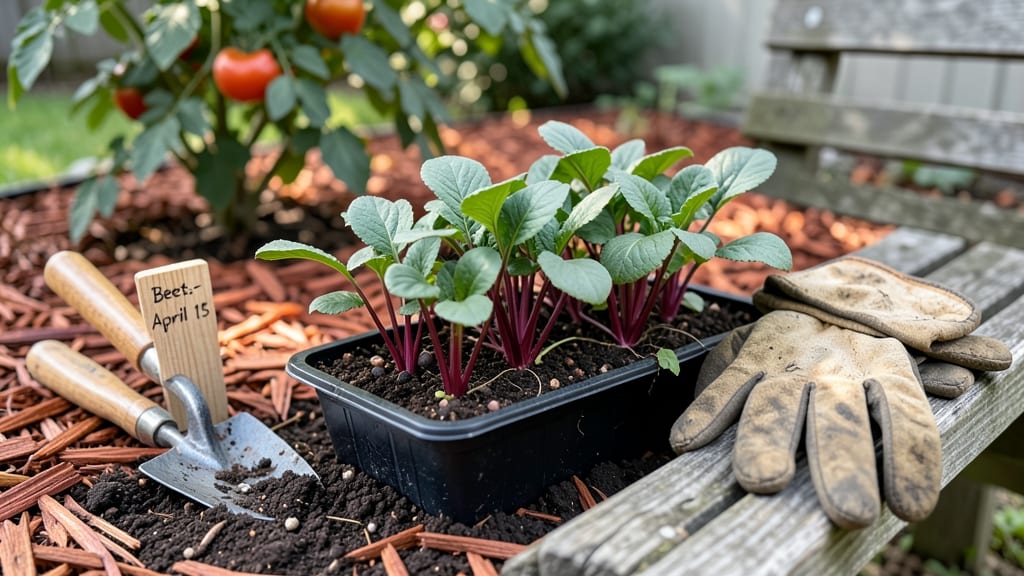
If you’ve ever planted beets in Central Texas only to watch them bolt into bitter greens by summer, you’re not alone—this is the biggest challenge for local gardeners. The key to success lies in timing, and getting it right means the difference between sweet, tender roots and tough, unusable scraps.
For beet 🍠 lovers in Zone 8a, the ideal planting windows are September-October for fall and February-March for spring, when temperatures stay mild and frost risks are minimal. But even then, heat waves can sneak up fast, turning your garden into a science experiment.
Let’s break down the exact timing, heat-tolerant varieties, and pro tips to keep your beets thriving—no bitter surprises included.
You’ll discover why fall planting is your safest bet, how to stretch the season with shade and mulch, and which beet types actually handle Central Texas heat like champions. No more guessing—just a foolproof plan to grow beets that taste as good as they look.
Ready to ditch the disappointment? I’ll walk you through the step-by-step timing, from soil prep to harvest, so you can enjoy homegrown beets all season long—without the stress.
Best planting times for beets in Central Texas (fall vs spring guide)
Central Texas gardeners face a unique challenge with beets—they bolt quickly in 90°F+ heat, turning sweet roots into bitter greens. The key to success? Timing your planting to avoid extreme temperatures.
I’ve grown beets here for years, and the fall and spring seasons offer the best windows for optimal root development without bolting.
Beets thrive in cool weather (ideal soil temps: 50–70°F). In Central Texas (USDA Zone 8a–9a), this means focusing on late summer to early fall and late winter to early spring.
Missing these windows often leads to stunted growth or premature flowering. Let’s break down the exact months and strategies for each season.
📅 Fall Planting (Best Window): Your primary planting season. Start seeds 8–10 weeks before the first frost (around November 15 in Central Texas). This translates to September 1–15 for direct sowing. Beets sown in late August may struggle with late-summer heat, but early September offers cooler soil temps and longer harvest windows before winter.
❄️ Frost Considerations: Beets are frost-tolerant but prefer to mature before hard freezes. Aim to harvest before November 15 to avoid cold damage. If you plant in late September, you’ll have roots ready by November, just before frost hits. For extended fall harvests, use row covers to protect young plants from early cold snaps.
For spring plantings, the window is narrower but equally critical. Sow seeds February 15–March 15 to ensure roots mature before April heat triggers bolting. I’ve had success with transplants started indoors in January, hardened off, and moved to the garden in early February.
This gives you a 2-week head start on direct-sown seeds.
🌡️ Soil Temperature Matters: Beets won’t germinate in soil above 80°F. Use a soil thermometer to confirm temps before planting. In Central Texas, soil temps in August often exceed this threshold, making late-summer plantings a gamble. If you’re tempted to try, opt for shade cloth and daily watering to keep soil cool.
Succession Planting is your secret weapon for year-round harvests. In fall, sow new seeds every 2 weeks from September–October to stagger maturity. In spring, repeat the process in March for a continuous supply. This method ensures you always have fresh beets without overcrowding your garden.
⚠️ Avoid These Mistakes: Planting too early in spring (before February 15) risks frost damage, while planting too late in fall (after October 15) risks bolting. Also, overcrowding leads to small, misshapen roots. Thin seedlings to 3–4 inches apart for optimal growth.
With these timing strategies, you’ll enjoy sweet, tender beets from fall through spring—no bitter greens in sight! Next, we’ll cover the top 5 heat-tolerant beet varieties that perform best in Central Texas’ extreme conditions. 🌱
Best planting times for beets in Central Texas (fall vs spring guide)
Central Texas gardeners face unique challenges with beet cultivation due to its 90°F+ summers and freezing winters. The key to success lies in planting during cooler months when soil temperatures stay below 75°F.
For fall harvests, aim for September-October sowing, while spring plantings should happen in February-March before heat arrives.
Beets thrive in USDA Zone 8a-9a when planted 6-8 weeks before the first frost (around November 15 in Central Texas). This timing ensures roots mature before cold sets in. Spring plantings must occur before soil warms past 70°F, typically by mid-March, to prevent bolting.
| Season | Planting Window | Soil Temp | Frost Risk | Harvest Window |
|---|---|---|---|---|
| Fall | September 1 - October 15 | 55-70°F | Low (after Nov 15) | November - December |
| Spring | February 15 - March 15 | 50-65°F | Moderate (before Feb 15) | April - May |
For extended harvests, try succession planting every 2-3 weeks during ideal windows. This ensures a steady supply of fresh beets. Direct sowing is preferred over transplants, as beet roots stress easily when disturbed. Start seeds ½ inch deep in loose, well-draining soil enriched with compost.
Watch for soil temperature spikes above 75°F, which trigger bolting. Use a soil thermometer to monitor conditions. In August or late October, you can attempt short-season varieties with shade cloth (30-50% coverage) to buy extra time. These heat-tolerant varieties (like 'Boltardy') handle 85°F better than standard types.
Always harden off seedlings for 7-10 days before transplanting to prevent shock. In Central Texas, this means gradually exposing young plants to outdoor conditions in late February for spring plantings.
For fall crops, start seeds indoors 4-6 weeks before the outdoor planting date to give them a head start.
Remember: Beets grow best when soil stays consistently moist but not waterlogged. In Central Texas, this means deep watering every 3-5 days during growing season. Mulch with straw or grass clippings to retain moisture and regulate soil temperature.