
Plants
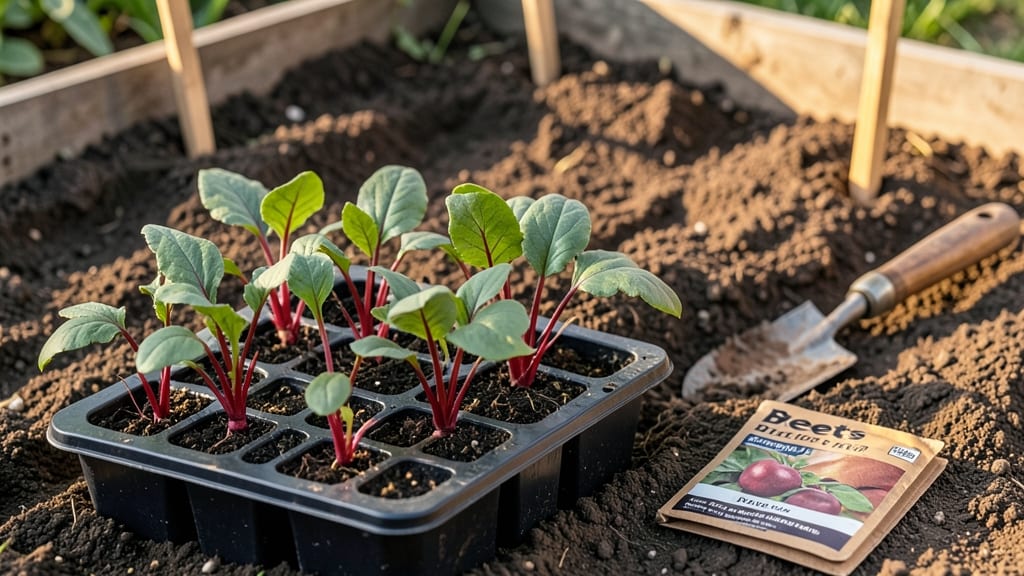
When to plant beets in Nebraska isn’t just about checking a calendar—it’s about reading your soil like a weather forecast. Those tiny 🍠 seeds need the right temperature to germinate fast, and Nebraska’s fickle springs (and early falls) can turn your garden into a gamble if you’re not careful.
Here’s the secret: Beets thrive when soil hits 40°F in spring or cools to 85°F in fall. Too early, and your seeds rot; too late, and they bolt before you harvest.
I’ll show you exactly how to test your soil’s readiness—no fancy tools required—and adjust for Nebraska’s microclimates, whether you’re in Lincoln’s humid pockets or the Panhandle’s dry winds.
Why does timing matter so much? Because fast germination means fewer weeds, sweeter roots, and a harvest window that stretches from June to November. Skip this step, and you’ll end up with bitter greens or tough roots—neither of which Nebraska’s short growing season can afford.
Let’s dive into the soil temperature tricks that’ll have your beets popping up in 5-7 days instead of weeks. Ready to plant with confidence? I’ve got the Nebraska-specific tips to make it happen.
Best planting times for beets in Nebraska based on soil temperature
Nebraska’s USDA zones 5a-6b create unique challenges for beet growers. Unlike southern states, our cool springs and hot summers demand precise timing to avoid bolting (premature flowering) or stunted growth. Beets thrive when soil temperatures sit between 40°F and 85°F, with optimal germination at 60°F-70°F.
Most gardeners in Nebraska plant beets twice yearly: early spring (March-April) for summer harvests and late summer (August-September) for fall crops. However, your exact timing depends on your local microclimate—Lincoln’s warmer pockets may allow earlier planting than the Panhandle’s cooler zones.
Here’s the golden rule: Wait until the soil reaches 40°F for spring planting (usually 2-3 weeks after your last frost date) and aim for 60°F+ for fall planting (about 8-10 weeks before first frost).
Nebraska’s unpredictable frost dates mean checking a soil thermometer is smarter than guessing by calendar dates.
For Lincoln and Omaha gardeners, target March 15-April 30 for spring and August 15-September 15 for fall. In the Panhandle (USDA 5a), delay spring planting until April 15-May 15 due to slower warming soils.
Rural areas with drier, sandy soils may need to plant 1-2 weeks later than urban centers.
🌱
🌱 Nebraska Beet Planting Timeline by Zone & Season
| Zone/Region | Spring Planting Window | Soil Temp Threshold | Fall Planting Window | Key Tip |
|---|---|---|---|---|
| Lincoln (Zone 5b-6a) | March 15 - April 15 | 40°F+ (consistent) | August 15 - September 1 | Use row covers for early spring |
| Omaha (Zone 5b) | March 20 - April 20 | 42°F+ (warmer urban soils) | August 20 - September 10 | Succession plant every 2 weeks |
| Panhandle (Zone 5a) | April 15 - May 1 | 45°F+ (slower warming) | August 1 - August 20 | Extend season with black plastic mulch |
| Southeast NE (Zone 6a-6b) | March 1 - April 10 | 38°F+ (earlier frost risk) | August 10 - September 30 | Prioritize cold-hardy varieties |
Note: Adjust dates based on actual soil temps (not air temps). Use a soil thermometer for accuracy.
Spring planting too early? Your beets may bolt prematurely due to Nebraska’s long daylight hours in May-June. To prevent this, choose short-day varieties like Detroit Dark Red or plant in partial shade during hot afternoons.
For fall crops, stop planting by September 15 to ensure roots mature before first frost (October 15).
Pro tip: Nebraska’s dry winds can dry out soil quickly. After planting, mulch with straw to retain moisture and regulate soil temperature. This is especially critical in sandy soils common across the state, which heat up faster than clay-based soils.
If you’re in a high-elevation area (e.g., near the Rocky Mountains), plant 2-3 weeks later than your USDA zone suggests—cooler nights delay soil warming. For container growing, use heat mats to maintain 60°F+ soil temps in early spring.
🌿
For continuous harvests, Nebraska gardeners often use a succession planting strategy: Sow seeds every 2 weeks from March through May, then again from August through September. This ensures a steady supply of baby beets (great for salads) and mature roots for roasting.
Always check the UNL Extension’s frost date maps for your county—these provide localized planting guidance that’s more accurate than statewide averages. And remember: Beets are frost-tolerant down to 25°F, so you can plant greens even earlier if you’re okay with slower growth.
☀️
Best planting times for beets in Nebraska based on soil temperature
Nebraska’s USDA zones 5a-6b mean your beet seeds need precise timing to thrive. The ideal soil temperature for beet germination is between 40°F and 85°F, but Nebraska’s unpredictable spring can make this tricky. Plant too early, and seeds rot; too late, and you risk bolting before harvest.
For spring planting, aim for mid-March to late April when soil temps consistently reach 45°F.
In Lincoln and Omaha, this often aligns with after the last frost date (April 15), but rural areas may need adjustments. Fall planting should start mid-August to mid-September for a late harvest before frost.
Nebraska’s microclimates play a huge role. The Panhandle’s drier air warms faster, while the eastern region’s humidity keeps soil cooler longer. Use these soil temperature thresholds as your guide:
For Lincoln gardeners, focus on late March to early April for spring, while Omaha’s warmer climate allows planting as early as mid-March. Rural areas with cooler soils may need to delay until late April. Always check UNL Extension’s frost forecasts for real-time adjustments.
If you’re growing beet greens (not roots), you can plant 2-3 weeks earlier since they tolerate cooler temps. For storage beets, stick to the ideal windows to maximize size and sweetness. Succession planting every 2 weeks in spring ensures a steady harvest.
Pro tip: Use black plastic mulch in early spring to warm soil faster, especially in cooler microclimates. Remove it once soil reaches 60°F to prevent overheating. This trick can shave 1-2 weeks off your planting timeline!