
Plants
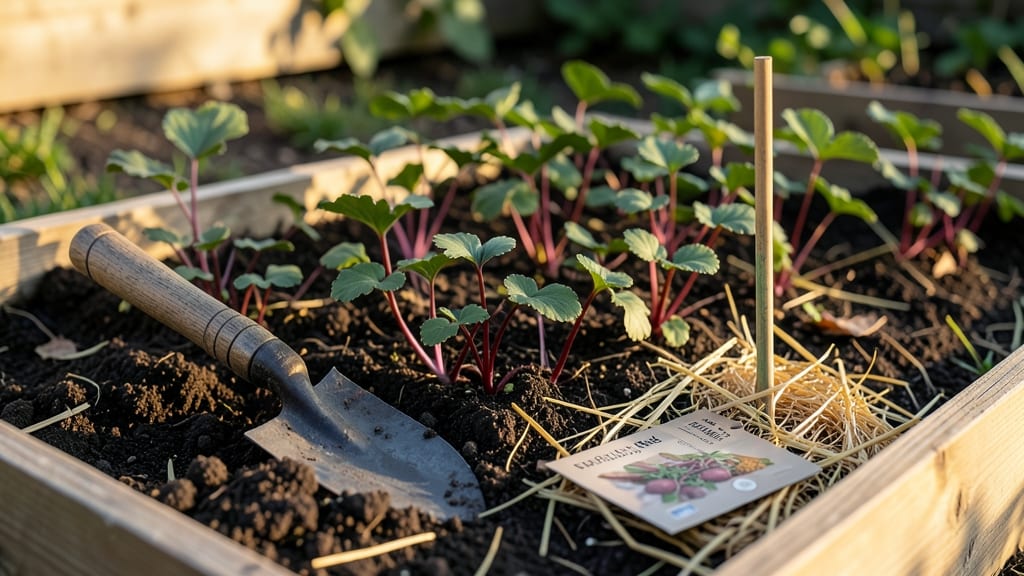
If you’ve ever planted beets in New Jersey only to end up with tough, bitter roots instead of sweet, tender ones, you’re not alone. The key to success? Timing—specifically, knowing exactly when to plant them so they mature before the first frost.
In NJ’s 6a-7b zones, that means starting seeds 8-12 weeks before your average last frost date (around April 15 for most areas).
Spring and fall are your best bets for growing 🍠 beets in NJ, but getting the timing right can feel like guessing. Plant too early, and you’ll deal with leggy, slow-growing seedlings. Too late, and you risk bolting or stunted harvests.
The solution? A simple two-step strategy: start seeds indoors 4-6 weeks before your target window, then transplant them into well-drained soil when temperatures hit 50°F.
Why does this matter? Because beets thrive in cool weather, and NJ’s climate—with its unpredictable shifts—can make or break your harvest. Whether you’re a first-time gardener or a seasoned pro, mastering these planting windows means fewer mistakes and more delicious roots from June to November.
Let’s break down the exact schedule so you can skip the trial-and-error.
Here’s the game-changer: By aligning your planting with NJ’s frost dates and soil conditions, you’ll avoid common pitfalls like woody textures or premature bolting. Plus, I’ll share how to stretch your harvest with succession planting—because who wants to wait until next year for another try?
Let’s get those beets in the ground the right way.
Best planting windows for beets in new jersey’s climate zones
New Jersey’s USDA Zones 6a–7a offer two prime windows for growing sweet, tender beets: early spring and late summer. The key is planting 8–12 weeks before your first frost—typically by April 30 for spring and September 15 for fall—to avoid woody roots.
Coastal areas like Cape May have earlier last frosts (March 15), while inland zones (e.g., Sussex County) may wait until April 15.
Beets thrive in cool soil temperatures (40–85°F), but seeds won’t sprout below 40°F. Use a soil thermometer to confirm—if it’s too cold, opt for heat-tolerant varieties like ‘Detroit Dark Red’ or wait until soil warms to 50°F.
In NJ’s humid summers, late August starts give roots time to mature before October’s first frost (avg. Oct 20).
Microclimates matter: Gardeners in southern NJ (Zone 7b) can push spring plantings to May 1 for a second harvest, while northern areas (Zone 6a) should finish by April 15. Always check Rutgers Cooperative Extension’s frost maps for your exact location.
🌱 NJ Beet Planting Timeline
| Season | Planting Window | Soil Temp | Frost Risk | Harvest Window |
|---|---|---|---|---|
| Spring | March 15–April 30 | 40–70°F | Low (after April 15) | June–July |
| Fall | August 1–September 15 | 50–85°F | High (after Oct 20) | October–November |
💡 Pro Tip: For continuous harvests, stagger plantings every 2 weeks in spring and 3 weeks in fall.
Direct-sowing is best—beets hate transplanting. Scatter seeds ½ inch deep, 1 inch apart, and thin to 3–4 inches when leaves touch. In clay-heavy NJ soils, mix in compost to improve drainage and prevent rot.
Avoid planting where tomatoes or Swiss chard grew last year to prevent disease buildup.
For urban gardeners, container-growing works if pots are at least 6 inches deep. Use a lightweight potting mix and keep soil moist—containers dry out faster than in-ground beds. Place pots in full sun (6+ hours) and rotate weekly for even growth.
Extending the season? Use floating row covers in early spring to warm soil and protect seedlings from late frosts. In fall, apply black plastic mulch 4–6 weeks before frost to keep roots warm and sweet. Always harvest before hard frost—even cold-hardy beets turn tough and pithy when frozen.
🌱 Variety recommendations for NJ:
- ‘Early Wonder Tall Top’ (50 days, heat-tolerant)
- ‘Golden’ (58 days, sweet even in heat)
- ‘Chioggia’ (60 days, striped for visual appeal)
🌿 Why timing matters: Planting too early in cool, wet springs leads to bolting (premature flowering), while late starts risk small, fibrous roots. NJ’s humidity also increases leaf spot disease—so prioritize circulation (thin seedlings!) and even watering.
Best planting windows for beets in new jersey’s climate zones
New Jersey’s USDA Zones 6a–7a mean beets thrive in both spring and fall, but timing is critical. Plant too early, and cold soils stunt growth; too late, and roots turn woody.
My go-to rule: Aim for 8–12 weeks before the first frost—typically March 15–April 30 for spring and August 1–September 15 for fall. Coastal areas like Cape May have 2–3 weeks longer growing seasons than inland zones like Sussex County.
Soil temperature is your secret weapon. Beets need soil at least 50°F to germinate. Use a soil thermometer—if it’s cooler, wait. For spring, this usually aligns with mid-April in most of NJ, but late March works in warmer microclimates like Trenton or Newark.
In fall, late August is ideal—early enough for a full harvest before frost.
| Planting Window | Soil Temp Threshold | NJ Zone Notes |
|---|---|---|
| Spring: March 15–April 30 | ≥50°F | Zone 6a: Wait until April 15; Zone 7a: March 20 works |
| Fall: August 1–September 15 | ≥55°F | Coastal: Extend to Sept 20; Inland: Stop by Sept 10 |
| Succession Planting | ≥50°F | Sow every 2 weeks for continuous harvests |
For coastal NJ (e.g., Atlantic City, Sandy Hook), push spring plantings to March 1 and fall to September 20. Inland areas like Morristown or Lambertville should stick to April 15–May 1 for spring and August 15–September 10 for fall.
Rutgers Cooperative Extension’s frost date maps are my go-to for precision—check their NJ Garden Guide for your exact county.
Pro tip: Use heat-tolerant varieties like ‘Detroit Dark Red’ or ‘Golden’ to extend your fall window by 2–3 weeks. These handle NJ’s late-summer heat better than standard types. Pair them with shade cloth if temps hit 90°F+ to prevent bolting.
Don’t overlook succession planting. Sow new seeds every 2 weeks from March to June for a steady harvest. In fall, repeat from August to mid-September. This ensures you’re never without fresh beets—and avoids the bitter, woody roots that come from over-mature plants.
Remember: Beets are cold-hardy but hate heat. If your spring planting gets too hot, they’ll bolt. Use row covers or plant in partial shade during heatwaves. For fall, prioritize late August plantings—they’ll mature just as temps drop, giving you sweet, tender roots before frost.