
Plants
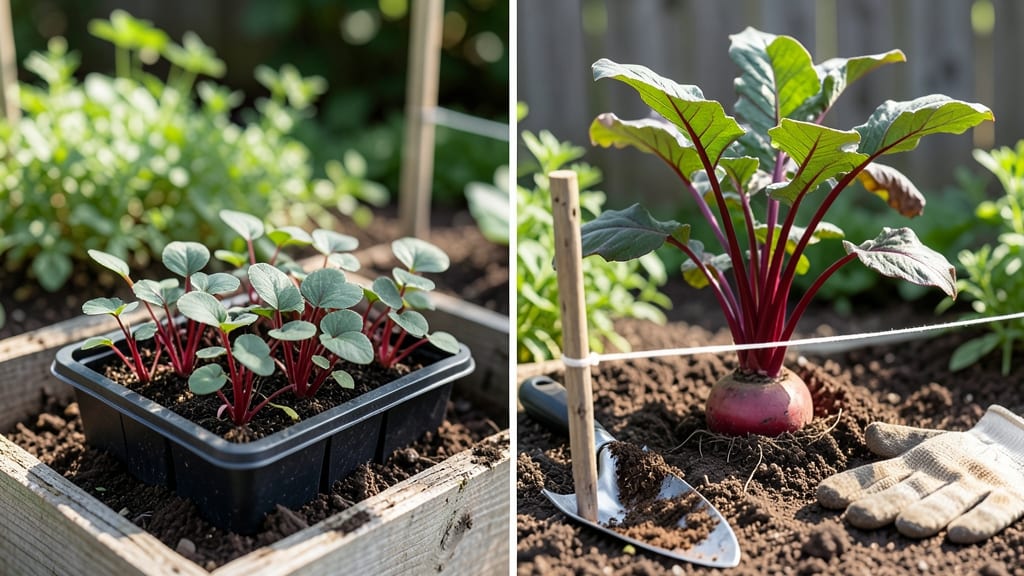
Timing your beet planting in Wisconsin isn’t just about luck—it’s about beating the frost and bolting to grow those sweet, tender roots you crave.
With USDA zones 4a-6b and unpredictable spring weather, knowing the exact weeks before last frost makes all the difference between a bountiful harvest and a bitter disappointment.
Picture this: you’re thinning seedlings in April, watching them flourish under Wisconsin’s full sun, only to have a late frost wipe them out. Or worse, your beets bolt into seed stalks before you can harvest.
The key? Planting 3-4 weeks before your region’s last frost date—whether that’s early March in southern Wisconsin or late April in the north.
But here’s the twist: beets are two-season plants in Wisconsin. While spring planting gets you roots by summer, late summer plantings (July-August) extend your harvest into fall. I’ll show you how to nail both windows, adjust for your microclimate, and avoid common pitfalls like thin soil or pests.
Ready to turn your garden into a beet bonanza? Let’s break down the precise planting schedule that works for Wisconsin’s climate—so you can enjoy homegrown 🍠 from July through October without the guesswork.
Wisconsin beet planting calendar: weeks before last frost by region
Wisconsin’s three distinct climate zones mean your beet planting schedule should shift from Northern to Southern Wisconsin. The key? Planting 3-4 weeks before your last spring frost and 6-8 weeks before the first fall frost. Let’s break down the exact windows for each region to avoid bolting or stunted growth.
For Northern Wisconsin (USDA Zones 4a-4b), like Duluth or Green Bay, aim for March 15–April 15 for spring plantings. Soil temperatures must reach 40°F+ for germination. In Southern Wisconsin (Zones 5b-6b), such as Madison or Milwaukee, you can start as early as March 1–April 1.
Here’s the visual breakdown of frost dates, planting windows, and soil temperature thresholds for Wisconsin’s regions:
For fall plantings, prioritize 6-8 weeks before your first frost. In Northern Wisconsin, this means August 1–September 1, while Southern Wisconsin gardeners can extend until August 15. Use row covers to push harvests later if needed.
Pro tip: Direct-sow seeds—beets hate transplants. Plant ½ inch deep and 1-2 inches apart, then thin to 3-4 inches once seedlings sprout. This spacing prevents crowding and ensures crisp roots.
If you’re in Zone 4a, like Superior, consider cold frames to start seeds indoors in February. Transplant outdoors after the last frost, but avoid planting too early—cold, wet soil can cause rot.
For bolting prevention, avoid planting in late summer heat (after July 15). Choose heat-tolerant varieties like ‘Detroit Dark Red’ or ‘Golden’ for extended harvests. Mulch with straw to keep soil temps stable.
🌱
How to adjust beet planting for Wisconsin’s unpredictable weather
Wisconsin’s weather can throw curveballs—late frosts in spring, sudden heatwaves in summer, or early snaps in fall. But with the right adjustments, you can turn these challenges into opportunities for a longer beet harvest.
The key? Successive planting, cold-hardy varieties, and smart timing to stretch your growing season.
Start by planting your first batch of beets 3-4 weeks before your region’s last frost date. For northern Wisconsin (USDA zones 4a-5a), that might mean late April, while southern Wisconsin (zones 5b-6b) can start as early as mid-March.
But here’s the trick: sow every 2 weeks until early June to ensure a steady supply of fresh roots. This method, called succession planting, keeps your harvest going from July through October.
For late summer plantings, aim for July-August to avoid bolting. Beets planted too late in summer may rush to flower before you can harvest, especially in Wisconsin’s heat. Choose bolting-resistant varieties like ‘Detroit Dark Red’ or ‘Golden’ for better reliability.
These varieties handle heat and humidity better than others, giving you a second chance at a harvest before winter sets in.
⚠️ Numbered Highlights: Wisconsin Beet Planting Adjustments
- 1. Start early: Plant first batch 3-4 weeks before last frost (late April in north, mid-March in south).
- 2. Succession plant: Sow every 2 weeks until early June for continuous harvest.
- 3. Late summer rescue: Plant again in July-August for fall harvest.
- 4. Choose heat-tolerant varieties: ‘Detroit Dark Red’ or ‘Golden’ resist bolting in summer heat.
- 5. Use row covers: Protect seedlings from late frosts with lightweight fabric.
- 6. Mulch heavily: Retain moisture and regulate soil temperature with straw or leaves.
- 7. Monitor soil temps: Beets germinate best in soil 40°F+—wait if it’s colder.
Don’t let Wisconsin’s unpredictable weather derail your beet plans. Use row covers to shield young seedlings from late frosts, and mulch heavily to keep soil temperatures stable. If a heatwave hits, give your beets extra water in the morning to prevent bolting.
With these adjustments, you’ll enjoy homegrown beets from July through October—no matter what Wisconsin throws your way.
Pro tip: Keep a planting journal to track your success. Note when you planted, which varieties performed best, and any weather challenges you faced. Over time, you’ll fine-tune your schedule to match Wisconsin’s quirks—because the best beet harvests come from gardeners who adapt, not just follow a calendar.
Ready to put these strategies to work? Grab your seeds, mark your calendar, and get ready for a beet harvest that beats Wisconsin’s weather every time. 🌱