
Plants
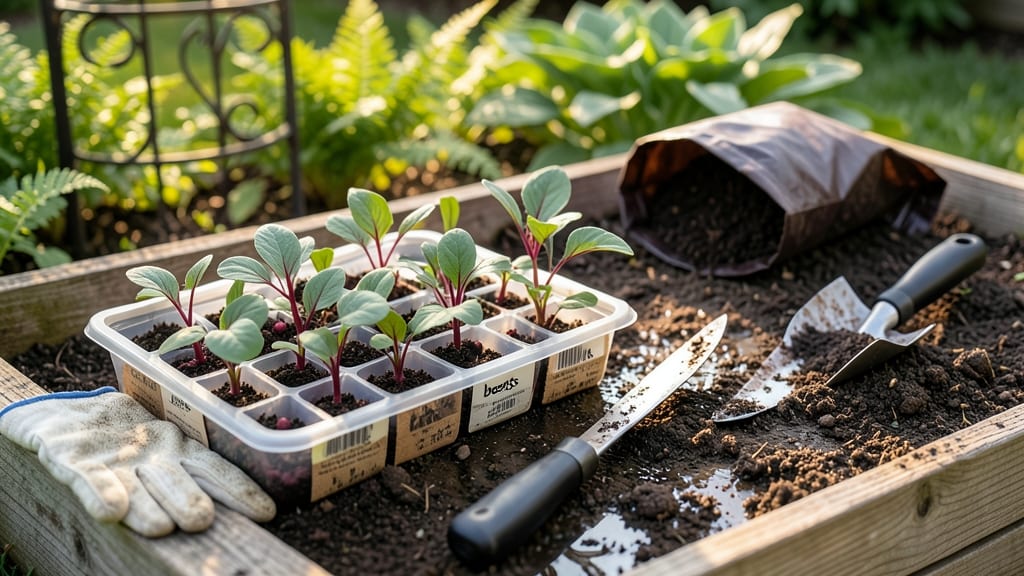
If you’ve ever wondered when to plant beets in Zone 7a, timing is the secret to avoiding bitter roots or bolted greens—both common mistakes that frustrate even experienced gardeners. The key lies in balancing soil warmth and frost dates, but there’s more to it than just the calendar.
Beets are cool-season crops that thrive when temperatures hover between 40°F and 85°F, making early spring and late summer your best planting windows.
In Zone 7a, where last frosts linger around March 15 and first frosts arrive by November 15, sowing too early risks frost damage, while waiting too long can trigger bolting. Here’s how to nail the perfect window—and why succession planting might be your game-changer.
You’ll learn the exact weeks to start seeds for maximum yield, plus soil temperature secrets to ensure germination. Whether you’re a beginner or a seasoned gardener, these insights will help you extend your harvest from May through October—without the guesswork.
Let’s dive into the frost-free calendar and soil prep tips that’ll turn your beet patch into a reliable, flavorful harvest every season. No more wasted seeds or bitter surprises!

Best planting windows for beets in Zone 7A by season
Beets thrive in cool to moderate temperatures, making them perfect for Zone 7A’s spring and fall seasons. The key is planting when soil temperatures hover between 40°F and 85°F—too cold, and seeds won’t germinate; too hot, and they’ll bolt.
In Zone 7A, that means focusing on early spring and late summer windows, with a few tricks for extending your harvest.
For spring plantings, start seeds 4–6 weeks before your last frost date (typically mid-March in Zone 7A). This gives your beets time to mature before summer’s heat sets in.
If you’re unsure about frost dates, use soil thermometers to confirm temperatures are above 40°F consistently. Late summer plantings should begin in July to harvest before the first frost in November.
Here’s the breakdown of your ideal planting windows in Zone 7A, including soil temperature thresholds and harvest expectations:
| Planting Window | Soil Temp Range | Best Months | Harvest Time | Notes |
|---|---|---|---|---|
| Early Spring | 40°F–65°F | March–April | May–June | Plant 4–6 weeks before last frost. Use row covers for frost protection. |
| Late Summer | 60°F–85°F | July–August | September–October | Avoid planting after mid-August to prevent bolting from heat. |
| Succession Planting | 40°F–70°F | April, May, September | June, July, October | Sow every 2–3 weeks for continuous harvests. |
If you’re aiming for a fall harvest, prioritize July plantings—this gives your beets enough time to mature before temperatures drop. For spring harvests, start seeds in March and use row covers if frost is still a risk.
Pro tip: Heat-tolerant varieties like ‘Detroit Dark Red’ or ‘Chioggia’ handle late-summer plantings better than standard types.
For succession planting, sow seeds every 2–3 weeks from April through September. This ensures a steady supply of fresh beets without overwhelming your garden at once. Just remember: never plant beets in soil warmer than 85°F, or they’ll bolt prematurely.
Zone 7A’s unpredictable weather can throw off timing, so always check 7-day soil temperature forecasts before planting. If your soil runs too cold, wait for a warm spell; if it’s too hot, use shade cloth to protect seedlings until temperatures drop.
One common mistake is waiting until after the last frost to plant. By then, soil may already be too warm for optimal germination. Instead, plant your first batch in March and monitor soil temps closely.
If germination stalls, try soaking seeds overnight or using a seedling heat mat for a boost.
For container gardening, follow the same timing but use larger pots (12+ inches deep) to accommodate beet roots. Containers warm up faster, so adjust planting dates 1–2 weeks earlier than in-ground plantings to account for the difference.
🌱
Soil temperature guide: when beet seeds will actually germinate
Beet seeds need consistent soil temperatures between 40°F and 85°F to germinate reliably. In Zone 7a, this means waiting until your soil warms to at least 50°F for spring plantings—any colder, and germination slows to a crawl or fails entirely.
Use a soil thermometer (just $10 at garden centers) to check temperatures 2–3 inches deep, since surface temps can be misleading.
For summer plantings, aim for soil temps below 85°F to prevent bolting. If your soil hits 90°F+, seeds may rot before sprouting or produce bitter, woody roots. Shade cloth (30–50%) can help lower soil temps by 5–10°F during peak heat.
🌱 Pro Tip: If your soil runs cold (common in Zone 7a’s early spring), try black plastic mulch to warm it by 5–7°F in just 2–3 weeks. This trick lets you plant 2–3 weeks earlier than the calendar suggests.
🌡️ Soil Temperature Rating for Beet Germination
If your soil stays below 50°F past your target planting window, opt for container growing with heated seed trays. This lets you start seeds indoors under grow lights (6–8 hours/day) and transplant once soil warms. Just be sure to harden off seedlings for 7–10 days before moving them outside.
For summer plantings, monitor soil temps closely—evenings in Zone 7a can drop 15°F+ overnight. If temps dip below 60°F at night, use row covers to protect young seedlings until they’re established (about 4–6 inches tall).
💧 Watering Tip: Keep soil consistently moist (not soggy) during germination. Dry soil can cause seeds to sprout unevenly or fail entirely. A drip irrigation system set to run lightly every 2–3 days works best.