
Plants
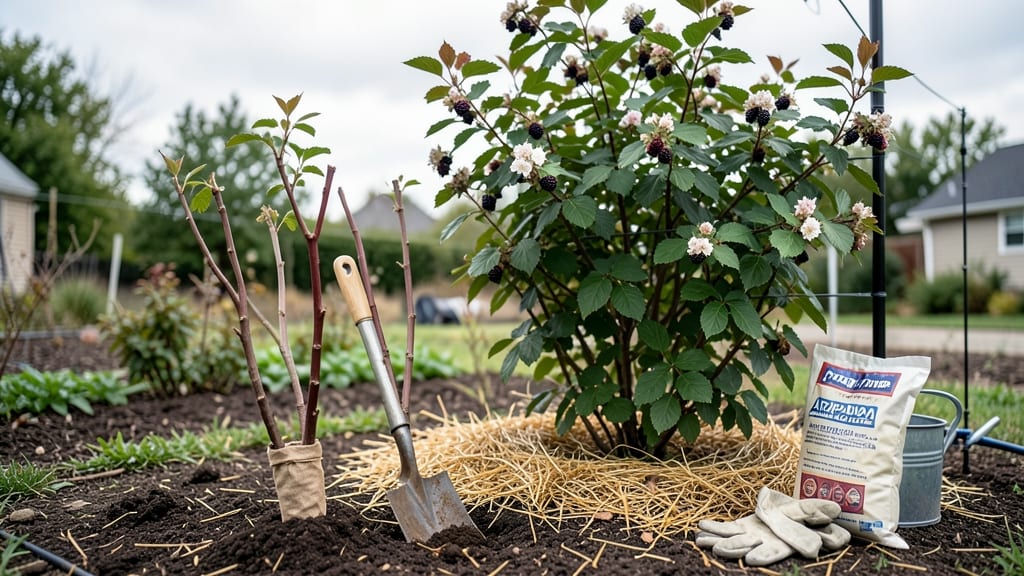
Timing your blackberry 🫐 planting in Colorado isn’t just about the calendar—it’s about catching that sweet spot when soil temperatures trigger fast root spread before summer’s heat sets in. Get it wrong, and you’ll end up with stunted canes and meager harvests, even in USDA zones 5-7.
But nail it, and you’re looking at vigorous plants that burst into fruit by mid-summer.
Most gardeners assume spring is the only window, but Colorado’s fall planting (September-October) often gives roots a head start—especially in high-altitude areas where winters arrive early. The key? Monitoring soil temps (aim for 50°F+) rather than air temps, which can fool you into planting too soon.
Whether you’re working with bare-root canes or potted plants, the right timing means the difference between 3-foot shrubs and towering vines loaded with berries. I’ll walk you through Colorado’s microclimates—from Denver’s urban heat islands to the Western Slope’s cooler valleys—and exactly when to dig in for maximum growth.
Ready to turn your blackberry patch into a high-yielding powerhouse? Let’s break down the science behind Colorado’s planting windows and how to prep your soil for explosive root development.
Colorado’s blackberry planting zones: soil temperature rules by elevation
Colorado’s diverse elevations create wildly different planting windows—what works in Denver (5,280 ft) fails in Leadville (10,152 ft). The key? Soil temperature, not air temperature. Blackberries need 45°F soil for root growth, but high-altitude zones can be 3-4 weeks later than lowland areas.
Most of Colorado falls in USDA Zones 5-7, but microclimates shift planting dates dramatically. For example, Grand Junction (Zone 6) can plant in March, while Steamboat Springs (Zone 4) waits until May.
Always check your last frost date and adjust for 1,000 ft elevation = ~5 days later.
Here’s how to use soil thermometers (not air temp!) to pinpoint your exact window. Stick the probe 4 inches deep—this mimics root zone conditions. For spring planting, aim for consistent 45°F+ soil temps for 7+ days. Fall planting? Wait until soil cools to 50°F before first frost.
| Elevation Range | USDA Zone | Spring Planting Window | Fall Planting Window | Soil Temp Trigger |
|---|---|---|---|---|
| 3,000–5,000 ft (Denver, Colorado Springs) | Zone 5-6 | Mid-April to early May | Late August to mid-September | 45°F+ (spring) / 50°F (fall) |
| 5,000–7,000 ft (Fort Collins, Boulder) | Zone 4-5 | Late April to early June | Mid-September to early October | 45°F+ (spring) / 50°F (fall) |
| 7,000–9,000 ft (Aspen, Vail) | Zone 3-4 | Early June to mid-June | Late September to early October | 50°F+ (spring) / 55°F (fall) |
| 9,000+ ft (Leadville, Telluride) | Zone 2-3 | July (barely possible) | Late August to September | 55°F+ (spring) / 60°F (fall) |
High-altitude areas like Telluride or Leadville often see false springs—warm air temps followed by frost. Use a minimum-maximum thermometer to track soil temps for 14 days before planting. If nights dip below 32°F, delay until soil warms consistently.
For container growing (common in mountain towns), plant 2-3 weeks earlier since pots warm faster. Use black plastic mulch to raise soil temps by 5-10°F in cooler zones. This trick works especially well for Western Slope gardens like Grand Junction.
Pro tip: Bare-root canes (cheaper and hardier) need moist but not soggy soil at planting. For potted plants, remove 1/3 of foliage to reduce transplant shock. Both types benefit from a 2-inch layer of compost mixed into the planting hole.
Colorado’s dry climate means blackberries need deep watering after planting—1-2 inches per week for the first month. Use drip irrigation to keep leaves dry and prevent fungal diseases like anthracnose, which thrives in our humid mountain mornings.
Remember: Fall planting (September-October) gives roots 6-8 weeks to establish before winter. This method often yields 20% larger canes the following spring. Just ensure soil temps stay above 50°F until first frost.
🌱
5 Signs your Colorado soil is ready for blackberry roots (and 3 mistakes to avoid)
Colorado’s microclimates mean your blackberry planting window could be weeks earlier in Denver than on the Western Slope. Before digging, test for these 5 readiness signs that guarantee root success—skipping these leads to winter heave or dormant rot.
First, check soil temperature with a probe—roots need 50°F+ consistently for 7+ days. In high-altitude zones (7,000+ ft), wait until May 15th minimum, even if lowland areas hit this earlier. Air temperature lies; soil tells the truth.
Next, perform the "squeeze test": Grab a handful of moist soil. If it holds shape but crumbles when pressed, it’s ideal. Sandy soils? Amend with 2 inches of compost—blackberries hate dry roots. Clay? Mix in perlite for drainage.