
Plants
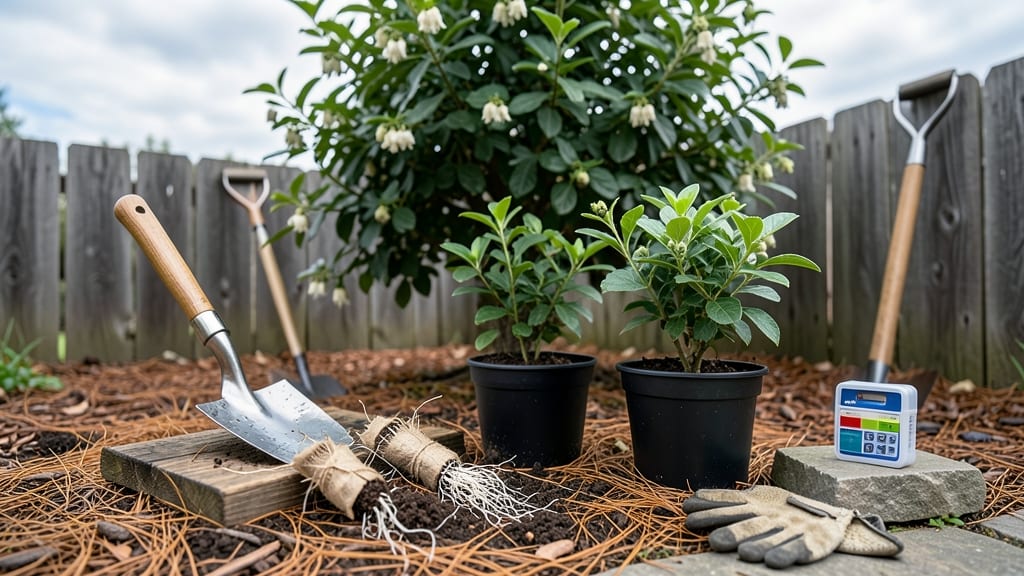
Timing your blueberry planting in Indiana isn't just about the calendar—it's about outsmarting frost, heat waves, and Indiana's famously fickle weather. One wrong move, and your 🫐 bushes could bolt too early (hello, wasted flowers) or struggle through a weak first year.
But get it right, and you're looking at bushes that reward you with juicy berries for decades—no gamble needed.
Most Indiana gardeners swear by late winter to early spring (think February through April), when soil temperatures creep into the 50s°F and frost threats ease.
Yet even this window varies wildly from 5b zones in southern Indiana to 6a up north, where a late frost can turn your new plants into sad, brown sticks overnight. The key?
Planting after your average last frost date—usually mid-April—but with a buffer for those "just one more cold snap" moments.
Here's the game-changer: Indiana's microclimates can shift planting by 2-3 weeks depending on whether your yard sits in a frost pocket or basks in full sun.
We'll break down exactly how to read your local frost calendar, when to adjust for urban heat islands (looking at you, Indianapolis), and why bare-root plants give you a head start over potted ones. Spoiler: Soil prep matters just as much as timing.
Ready to skip the guesswork? I'll walk you through city-specific planting windows, soil tests that save your bushes, and even how to cheat the system with container growing if your yard's too shady. Let's turn your 🫐 dreams into a harvest-worthy reality—without the frost-induced heartbreak.
Indiana blueberry planting zones and frost-date calendar
Indiana’s USDA zones 5b-6a create unique challenges for blueberry growers, where late spring frosts can devastate early blooms. Understanding your local frost dates is the first step to avoiding bolt risk—when plants flower too early and get nipped by frost.
Most Indiana gardeners should aim to plant after the last average frost date, typically between mid-April and early May, depending on your region.
Your planting window isn’t just about the calendar—it’s about soil temperature. Blueberries need 45°F soil temps to wake from dormancy. Use a soil thermometer to confirm readiness, especially in northern Indiana, where cold snaps linger longer.
Southern Indiana (like Evansville) may see earlier safe planting dates, while Fort Wayne and Gary often wait until late April.
Pro Tip: Follow the 10-day rule—wait 10 days after your area’s last frost date to plant. This buffer accounts for unpredictable late frosts that can still hit in May. Check Purdue Extension’s frost maps for your county’s historical data to refine your timing.
| Region | USDA Zone | Avg. Last Frost | Safe Planting Window | Notes |
|---|---|---|---|---|
| Northern Indiana (Gary, South Bend) | 5b | May 1-10 | Late April–Early May | Wait for soil temps ≥45°F |
| Central Indiana (Indianapolis, Muncie) | 6a | April 15–25 | Mid-April–Late April | Microclimates vary—watch for frost pockets |
| Southern Indiana (Bloomington, Evansville) | 6a-6b | April 1–10 | Early April–Mid-April | Plant early but monitor for late frosts |
| Urban Areas (Fort Wayne, Lafayette) | 5b-6a | April 20–May 5 | Late April–Early May | Container gardening extends flexibility |
If you’re planting bare-root blueberries (the most common method), aim for late winter to early spring—even before your last frost date. These dormant plants can handle cold soil and establish roots before warming up.
For potted blueberries, wait until after your last frost to transplant, as their roots are more sensitive to cold.
Indiana’s microclimates can shift planting windows by weeks. A south-facing slope in Bloomington might warm up faster than a low-lying area in Fort Wayne. Observe your yard’s frost patterns for 2–3 years to spot trends.
If you’re unsure, err on the side of caution—blueberries planted too early are more vulnerable to frost damage than those planted slightly late.
For container gardening (ideal for urban Indiana growers), you can plant 1–2 weeks later than in-ground bushes. Containers warm up faster and give you control over soil temperature. Just ensure your pots have drainage holes and use a lightweight, acidic potting mix.
Remember: Fall planting is possible in Indiana but riskier. Plant 6–8 weeks before your first frost (typically late August to early September) to allow roots to establish before winter.
This method works best for northern Indiana, where summers are shorter. Southern Indiana gardeners may find spring planting more reliable.
Use these Indiana-specific tips to refine your timing: Check Purdue Extension’s frost date calculator, monitor local weather forecasts for late-season cold snaps, and consider row covers if planting early. With the right timing, your blueberries will thrive and reward you with years of bountiful harvests.
How to time blueberry planting for maximum yield in Indiana’s climate
Timing your blueberry planting in Indiana isn’t just about avoiding frost—it’s about giving your bushes the perfect start for maximum fruit production. The 10-day rule after the last frost is your golden window, but soil temperature and plant type also play critical roles.
For bare-root plants, aim for late winter (February) when the ground is workable but before buds swell.
If you opt for potted blueberries, you can plant slightly later—early to mid-April—since they adapt better to established roots. Just check that soil temps are above 40°F (4°C) at a depth of 4 inches to prevent root shock.
Urban gardeners with limited space can even grow blueberries in large containers, extending their planting window until May in protected microclimates.
🌱 Pro Tip: Use a soil thermometer to confirm readiness. Cold soil delays root establishment, leading to stunted growth.
Avoid These Planting Mistakes
- Planting too early: Frost kills tender new growth before roots establish.
- Skipping soil prep: Blueberries need acidic soil (pH 4.5-5.5)—test and amend before planting.
- Ignoring microclimates: South-facing slopes warm faster; windbreaks protect young plants.
For urban gardeners or those with short seasons, choose dwarf varieties like ‘Top Hat’ and plant in large containers (at least 18 inches deep). These can be moved to sunny patios or greenhouses in early spring for a head start.
Just ensure containers have drainage holes and use peat moss or sulfur to maintain acidity.
After planting, mulch with pine needles or shredded bark to retain moisture and acidify the soil gradually. Water deeply 2-3 times per week for the first month, keeping soil consistently moist but not soggy. Avoid overhead watering to prevent fungal diseases like botrytis, which thrives in damp conditions.
💧 Key Reminder: Blueberries are thirsty plants—drought stress reduces fruit set. Use drip irrigation for precision watering.
Finally, monitor your plants for early bolting (premature flowering). If buds appear before May 15, cover them with frost cloth or prune to redirect energy into root and stem growth. With the right timing and care, your Indiana blueberries will reward you with bountiful harvests for decades.