
Plants
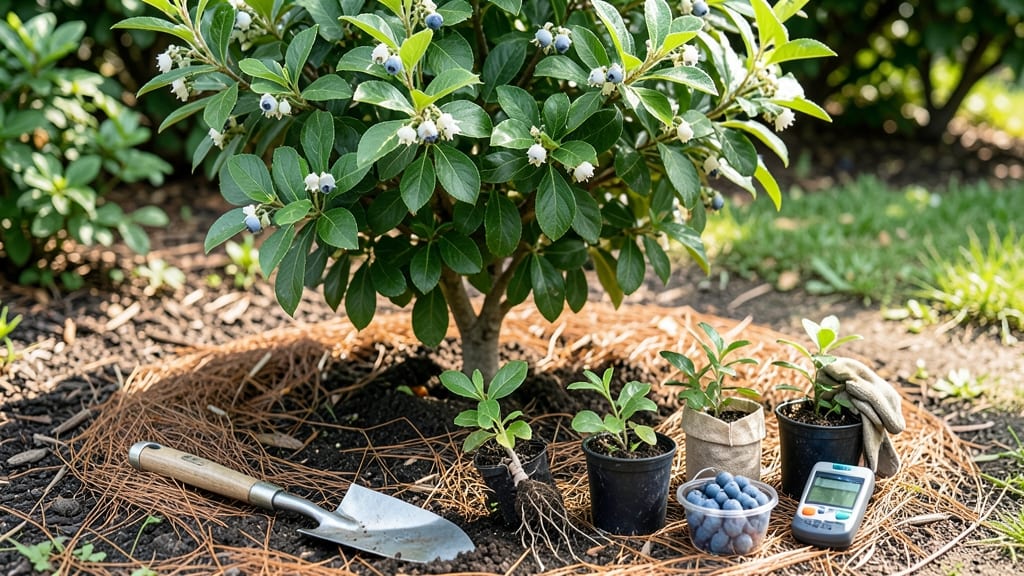
If you’ve ever dreamed of plucking fresh 🫐 blueberries straight from your Southern California garden, timing is everything—and getting it wrong could mean wilting plants before they even take root.
Here’s the secret: Planting blueberries in Southern California isn’t just about picking a month—it’s about beating the heat and working with your microclimate.
Whether you’re in coastal Santa Barbara or inland Riverside, the ideal window is narrow but critical: November through February, when cooler temps give young roots a fighting chance.
But here’s what most gardeners miss: Soil prep matters just as much as the calendar. We’ll cover the exact steps to adjust your soil’s pH, choose the right heat-tolerant varieties, and even decide between bare-root or container-grown plants—so you don’t end up with a sad, sun-scorched bush by summer.
Ready to turn your backyard into a blueberry paradise? Let’s dive into the exact months, regional tweaks, and pro tips that’ll have you harvesting 🫐 blueberries in April or May—not years from now.
Best months to plant blueberries in Southern California’s climate zones
Southern California’s microclimates create unique challenges for blueberry planting. While most areas are frost-free year-round, coastal regions stay cooler and damper than inland desert-like zones. This means your optimal planting window depends on where you live—typically November through February—but with key adjustments for heat tolerance.
The coolest months (November–January) are ideal because they give roots time to establish before summer’s 100°F+ heat.
Inland areas like Palm Springs or Riverside may need to plant even earlier (October–November) to beat the heat, while coastal spots like Malibu or San Diego can extend planting into early March.
Soil preparation is non-negotiable—blueberries demand acidic soil (pH 4.5–5.5). Test your soil 4–6 weeks before planting and amend with peat moss or sulfur if needed. Well-draining soil is equally critical to prevent root rot in our occasional winter rains.
Transplant shock is a real risk in Southern California’s intense sun. Always plant bare-root or container-grown bushes in the late afternoon to avoid midday heat stress. Water deeply before and after planting, then mulch heavily with pine bark or wood chips to retain moisture and cool roots.
🌱 Southern CA Blueberry Planting Comparison
| Region | Best Planting Months | Soil Prep Tip | Heat Risk |
|---|---|---|---|
| Coastal (LA, San Diego) | November–March | Add peat moss for acidity | Moderate (80s°F) |
| Inland Valleys (San Fernando, Antelope) | October–November | Raise beds for drainage | High (100°F+) |
| Desert (Palm Springs, Joshua Tree) | September–October | Use shade cloth initially | Extreme (110°F+) |
For inland desert areas, consider container growing to control soil temperature. Use 5-gallon pots with acidic potting mix and move containers to shaded areas during peak heat. This method also lets you rotate plants to avoid sunburn.
If you miss the ideal window, don’t panic. March plantings can work in coastal areas, but prioritize daily watering and afternoon shade for the first 30 days. Avoid planting in summer or fall—the heat will stress young roots beyond recovery.
Pro tip: Mulch depth matters. Apply 4–6 inches of organic mulch (like pine straw) to keep soil temps 10°F cooler than ambient air. This is especially critical in USDA Zone 10b+, where summer soil temps can exceed 95°F.
Finally, prune lightly at planting to remove any damaged branches, but avoid heavy pruning until the bush is established. This minimizes stress and helps the plant focus on root development during its critical first months.
With the right timing and care, your blueberry bush will reward you with harvests from April to July—just in time to beat the summer heat! 🫐
Best months to plant blueberries in Southern California’s climate zones
Southern California’s microclimates create a unique challenge for blueberry growers. Coastal areas like San Diego and Santa Barbara enjoy milder winters, while inland spots like Riverside or Palm Springs face hotter conditions year-round.
Your planting window shifts based on where you live—but the golden rule stays the same: cool roots, no heat stress.
For coastal regions (USDA Zones 9b-10a), aim to plant between late November and early February. These areas rarely drop below 40°F, so young plants won’t suffer cold shock. Inland zones (10b-11) should plant October through December to avoid summer’s brutal heat before roots establish.
Here’s the critical comparison for your microclimate:
| Region | Best Planting Months | Soil Prep Tip | Heat Risk |
|---|---|---|---|
| Coastal (San Diego, Santa Barbara) | Late November – Early February | Add peat moss to lower pH | Low (mild winters) |
| Inland (Riverside, Palm Springs) | October – December | Use container gardening for control | High (summer heat) |
| Desert (Coachella Valley) | September – November | Shade cloth + drip irrigation | Extreme (avoid summer) |
Pro tip: If you miss the ideal window, opt for container-grown plants instead of bare-root. Containers let you control soil temperature and moisture, giving you a second chance in early spring (March). Just avoid planting after March 15—summer’s heat will fry tender roots before they adapt.
Your soil’s pH is non-negotiable. Blueberries demand acidic soil (pH 4.5-5.5). Test your soil 4-6 weeks before planting and amend with sulfur or pine fines if needed. Never plant in alkaline soil—your bushes will suffer from chlorosis (yellow leaves) and poor growth.
Once planted, mulch heavily with pine needles or wood chips to keep roots cool. In inland areas, consider drip irrigation to deliver water directly to roots, reducing evaporation. With the right timing and prep, your blueberry bushes will thrive—even in Southern California’s heat!