
Plants
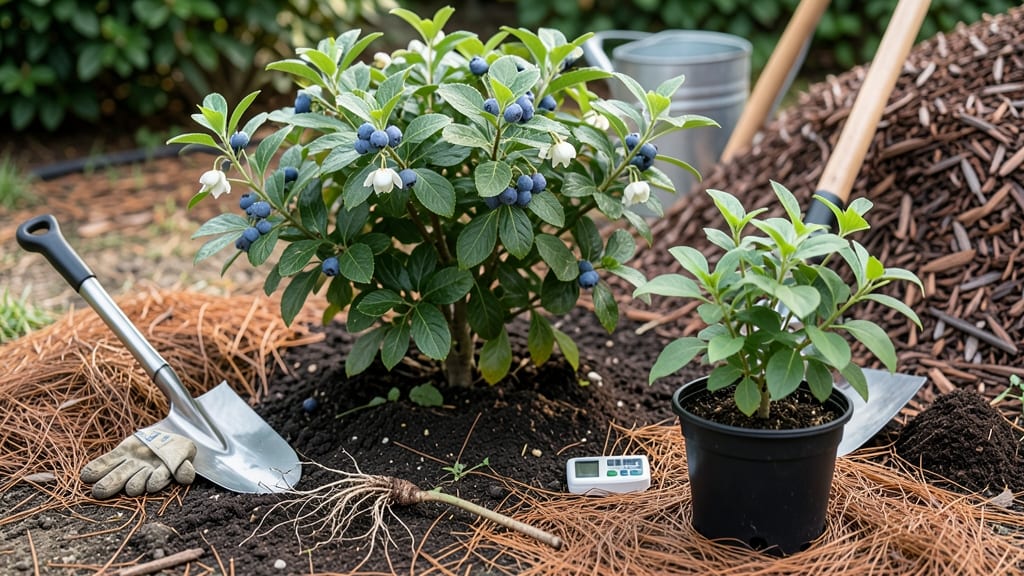
Timing your blueberry planting in Washington State could mean the difference between a thriving 🫐 bush and one that never bears fruit—because getting the chill hours right is everything.
The 5b-8b zones across the state create unique windows where fall or early spring planting can set you up for success, but one wrong move risks wasted effort.
I’ve seen gardeners in Western WA’s 6b-7b zones rush planting too early, only to watch their bushes struggle with frost. Meanwhile, those in Eastern WA’s cooler 5b-6a regions often miss the ideal fall window by waiting too late.
The key? Understanding how your local microclimate and variety’s chill-hour needs align with Washington’s unpredictable frost dates.
You’ll discover exactly when to plant—whether you’re working with Duke’s high chill needs or Legacy’s adaptability—and how to prep your soil for maximum growth.
Plus, I’ll share pro tips for container planting that work just as well as in-ground beds, so you can grow blueberries even in small spaces.
Let’s cut through the guesswork so you can enjoy homegrown berries from June to August without the trial-and-error. Your future breakfast bowls will thank you!
Best planting months for blueberries in Washington by Zone and chill-hour needs
Washington State’s diverse climates and USDA Zones 5b-8b mean blueberry planting timing varies dramatically from Western WA’s milder coast to Eastern WA’s colder inland. The key? Matching your chill-hour requirements (400–1,000+ hours below 45°F) to the right planting window—fall or early spring—for maximum root establishment and fruit production.
Fall planting (October–November) gives roots time to settle before winter, while early spring (March–April) avoids frost risks. Western WA’s Zone 6b-7b (e.g., Seattle, Olympia) favors fall planting for varieties like ‘Duke’ or ‘Jersey’, while Eastern WA’s Zone 5b-6a (e.g., Spokane, Wenatchee) often waits for early spring to avoid harsh winters.
Here’s how chill-hour needs dictate your schedule: Low-chill varieties (400–600 hours) like ‘Legacy’ thrive in Zone 7b+ and can plant in fall or spring. High-chill varieties (800–1,000+ hours) like ‘Bluecrop’ need Zone 5b-6a and fall planting for best results.
🌱 Pro Tip: Check your last frost date (April 15 in Western WA, May 1 in Eastern WA) and plant 4–6 weeks before to avoid frost damage. Use Washington State University Extension’s chill-hour calculator for your exact location.
Blueberry Planting Guide by Washington Zone & Chill-Hours
| Zone & Location | Chill-Hours Needed | Best Planting Window | Top Varieties | Soil pH Goal |
|---|---|---|---|---|
| Western WA (Zone 6b-7b) Seattle, Olympia, Bellingham |
600–800 hours | Fall (Oct–Nov) or Early Spring (Mar–Apr) | ‘Duke’, ‘Jersey’, ‘Legacy’ | 4.5–5.0 |
| Eastern WA (Zone 5b-6a) Spokane, Wenatchee, Pullman |
800–1,000+ hours | Early Spring (Apr–May) (avoid fall frost) | ‘Bluecrop’, ‘O’Neal’, ‘Earliblue’ | 4.0–4.8 |
| Cascade Foothills (Zone 5b-6b) Leavenworth, Snoqualmie |
700–900 hours | Fall (Sep–Oct) or Late Spring (May) | ‘Duke’, ‘Bluecrop’, ‘Chester’ | 4.2–5.0 |
| Puget Sound (Zone 7b-8a) Tacoma, Bainbridge |
400–600 hours | Fall (Oct–Nov) or Winter (Dec) | ‘Legacy’, ‘Top Hat’, ‘Sunshine Blue’ | 4.5–5.5 |
Adjust for microclimates: Sheltered areas plant earlier; exposed sites delay until after last frost.
For container growing (ideal for urban gardens), plant in fall or early spring regardless of zone—just ensure pots have drainage holes and use acidic potting mix. Containers dry faster, so monitor soil moisture closely, especially in Zone 7b+ where summers can be dry.
💧 Critical Tip: After planting, mulch with pine needles or peat moss to maintain acidic soil (pH 4.5–5.5) and retain moisture. Avoid synthetic mulches—they can raise pH over time.
Washington’s microclimates mean your neighbor’s successful fall-planted ‘Bluecrop’ might fail in your Zone 6a yard if planted too early. Use the WSU Extension’s interactive map to pinpoint your exact chill-hours and adjust timing accordingly.
Once established, blueberries in Washington produce for 20–30 years—so getting the timing right now means decades of homegrown berries. For fastest results, pair fall planting with a thick mulch layer to protect roots during winter.
✂️ Remember:* Prune in late winter (Feb–Mar) to shape bushes before new growth starts. This encourages airflow and fruit production while reducing disease risk.
Best planting months for blueberries in Washington by Zone and chill-hour needs
Washington State’s diverse microclimates and USDA Zones 5b-8b mean your blueberry planting window depends on where you live. In Western WA (Zones 6b-7b), like Seattle or Olympia, aim for fall planting (October-November) or early spring (March-April).
In Eastern WA (Zones 5b-6a), such as Spokane or Wenatchee, plant in late April-May to avoid early frosts. The key? Chill-hour requirements—most WA varieties need 400-1,000 chill hours to fruit, so timing matters.
Fall planting gives roots time to establish before winter, while spring planting avoids drought stress in early summer. For bare-root plants, fall is ideal—just ensure soil isn’t frozen.
If you’re planting container-grown blueberries, spring is safer. Always check your last frost date (April 15 in Western WA, May 1 in Eastern WA) to time it right.
| Zone & Region | Best Planting Window | Chill-Hour Needs | Soil Prep Tip |
|---|---|---|---|
| Western WA (6b-7b) | Fall (Oct-Nov) or Early Spring (Mar-Apr) | 600-900 hours | Amend with peat moss for acidic soil (pH 4.5-5.5) |
| Eastern WA (5b-6a) | Late Spring (Apr-May) | 400-700 hours | Mulch heavily to retain moisture |
| Puget Sound (7a-7b) | Fall (Oct) or Early Spring (Mar) | 700-1,000 hours | Avoid soggy soil; improve drainage |
| Columbia Basin (6a-6b) | Early Spring (Apr) | 500-800 hours | Use raised beds for warmth |
For Western WA’s wetter climate, prioritize well-draining soil to prevent root rot. In Eastern WA’s drier areas, focus on mulching to conserve moisture. If you’re unsure about your zone, use the Washington State University Extension’s zone map for precise guidance.
Pro tip: Plant in clusters (3-5 bushes) to improve pollination and fruit set.
Timing isn’t just about months—it’s about soil temperature. Roots need 40-50°F soil to establish. In cooler zones (5b-6a), wait until soil warms in late April-May. In warmer zones (7a-7b), fall planting (October) works best. Always test your soil pH—blueberries hate alkaline soil.
One common mistake? Planting too late in spring. If you miss the March-April window, wait for fall. Container planting gives you more flexibility—just ensure pots have drainage holes and use acidic potting mix. For organic gardeners, composted pine needles or coffee grounds can boost acidity naturally.
Remember: Patience is key. Blueberries take 2-3 years to bear fruit, but with the right timing, you’ll enjoy decades of harvests. Start with one variety suited to your zone, and expand as you gain confidence. Happy planting! 🫐