
Companion Plants
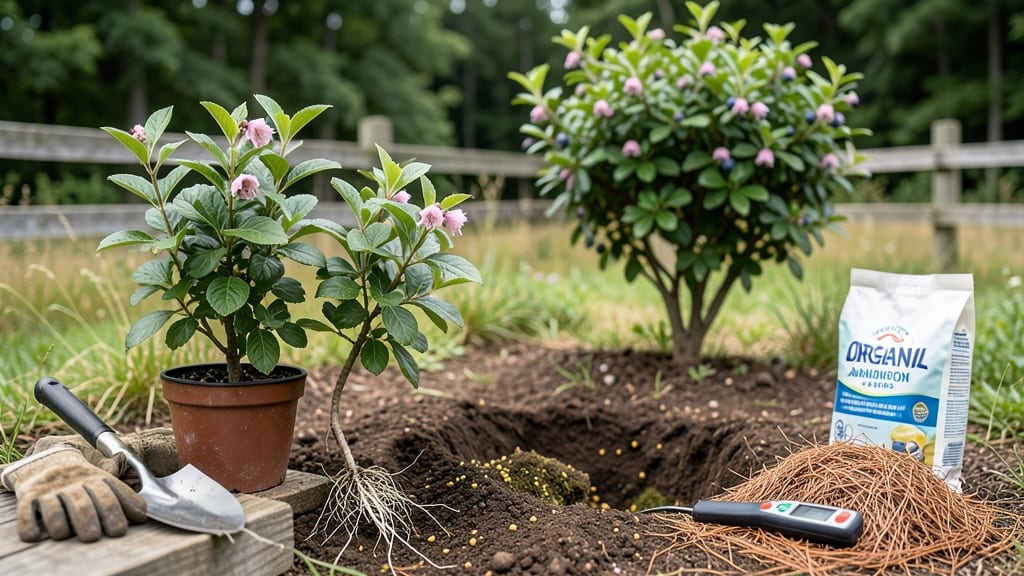
Timing your blueberry bush 🫐 planting in Pennsylvania isn’t just about picking a month—it’s about giving your bushes the chill hours and soil conditions they crave to thrive. Plant too early, and winter’s freeze might shock them; too late, and summer’s heat could stress young roots before they establish.
Most gardeners in zones 5b-7a swear by early spring (March–April) for bare-root bushes, when soil warms but frost risks fade. But fall (September–October) works too—just make sure your plants get 600–900 chill hours to set fruit properly next season.
Here’s the kicker: Pennsylvania’s microclimates mean Philadelphia’s last frost might be weeks earlier than Pittsburgh’s. We’ll break down exactly when to dig in—plus soil prep secrets to avoid the #1 mistake that kills blueberry bushes in PA.
Ready to grow juicy, bountiful berries? Let’s get your 🫐 bushes off to the right start with the perfect planting window and soil setup.
Best planting months in Pennsylvania: chill hours & frost timing explained
Pennsylvania’s variable climate means blueberry bushes thrive with precise planting timing. Most gardeners in USDA zones 5b–7a should aim for early spring or early fall—but why?
Blueberries need 600–900 chill hours (below 45°F) to set fruit, and PA’s last frost dates vary wildly from March 15 in Pittsburgh to April 15 near Philadelphia. Planting too early risks winter dieback, while late planting delays fruit production.
For bare-root bushes, April–May is ideal—roots establish before summer heat. Container-grown bushes, however, prefer May–June to avoid transplant shock. In southern PA (zones 7a), you can push planting to late May, but northern PA (zones 5b) demands earlier action to meet chill requirements.
Timing also depends on your blueberry variety. Northern highbush types (like Bluecrop or Patriot) need full chill hours, while southern highbush (e.g., Premier) tolerate fewer. Always check your plant’s chill hour range—mismatches lead to poor fruiting.
🌱
| Region | Best Planting Window | Chill Hours Needed | Key Consideration |
|---|---|---|---|
| Northern PA (Zones 5b) | Early April–Early May | 800–900 hours | Avoid late frosts; use row covers if needed |
| Central PA (Zones 6a) | Mid-April–Mid-May | 700–800 hours | Bare-root best; container-grown by May 15 |
| Southern PA (Zones 7a) | Late April–June 1 | 600–700 hours | Prioritize southern highbush varieties |
| Fall Planting (All Regions) | September–October (before first frost) | Same as spring | Water deeply before winter; mulch heavily |
Fall planting (September–October) is a hidden gem for PA gardeners. Cooler temps reduce transplant shock, and bushes establish roots before winter. However, avoid planting after October 15—young roots won’t harden off before frost. If you miss spring, early September is your last chance for a successful first year.
Microclimates matter! Urban areas (like Philadelphia) often see later last frosts than rural zones. Check your local frost date via the National Weather Service or plant 2–3 weeks before your average last frost to be safe.
Pro tip: Hardy varieties like Jersey or Northblue handle PA’s swings better than tender types.
Never plant blueberries in summer—the heat stresses roots, and they’ll struggle to recover. If you must delay, container-grown bushes in late May are your best bet, but expect slower growth the first year. For container gardening, May–June works year-round, but acidic potting mix is non-negotiable.
Watch for late spring frosts (common in Aprilcover bushes with frost cloth or use row covers until danger passes. In Pittsburgh’s valleys, frosts linger longer, so plant 1–2 weeks earlier than Philadelphia gardeners.
🌿
Soil pH & preparation secrets: why most PA gardeners fail their blueberries
Blueberries 🫐 are finicky about soil—too alkaline, and your bushes will suffer. Most Pennsylvania gardeners unknowingly plant them in neutral soil (pH 7), but blueberries thrive only in acidic soil (pH 4.5–5.5). Without this, your bushes may leaf out but produce tiny, tasteless berries (or none at all). Here’s how to get it right.
First, test your soil’s pH using a home test kit (available at garden centers). If it’s above 5.5, don’t panic—you can amend it. The key is peat moss, sulfur, or pine bark fines, which lower pH naturally.
Mix 2–3 inches of peat moss into the top 12 inches of soil where you’ll plant.
🚨 CRITICAL WARNING: Avoid lime or wood ash—they raise pH and will kill your blueberries. Even "acid-loving" compost can sometimes be too neutral, so double-check before adding it. If your soil is sandy, mix in compost to improve moisture retention and organic matter.
⚠️ Common Mistake: Over-Amending
Adding too much sulfur at once can burn roots. Start with 1/2 pound per 100 sq ft and retest soil in 3–4 months. Peat moss is safer for gradual pH adjustment.
Next, dig a hole twice as wide as the root ball but only as deep as the roots. This prevents root rot from burying the stem too deep. If planting in containers, use a well-draining mix with 50% peat moss, 30% pine bark, and 20% perlite.
Mulch heavily with pine needles or wood chips (avoid cedar—it’s too acidic). This keeps soil moist, cool, and slowly adds organic matter. Reapply mulch annually to maintain acidity. Pro tip: Epsom salt (magnesium sulfate) can boost growth—sprinkle 1 tablespoon per bush in early spring.
Finally, water deeply after planting to settle the soil. Blueberries hate dry spells or waterlogged roots. Aim for 1–2 gallons per bush weekly (more in summer heat). If your soil drains poorly, consider raising beds or planting on a slope.
With the right acidic soil and proper prep, your blueberry bushes will reward you with juicy, abundant berries for decades. Skip this step, and you’ll be stuck with underperforming plants—don’t let that be you! 🌱