
Plants
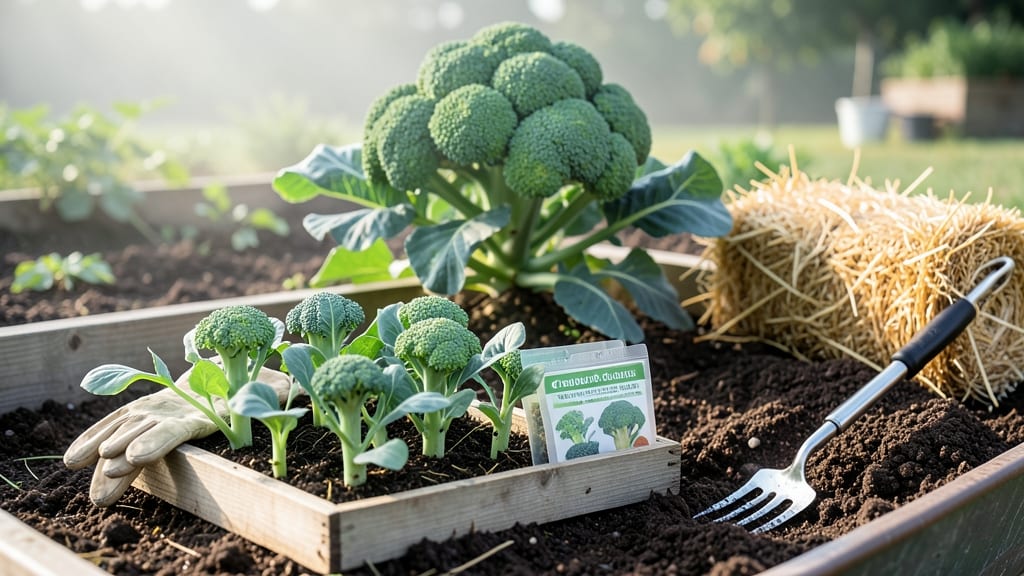
Timing your 🥦 broccoli planting in Massachusetts can mean the difference between a thriving garden and a lost investment. If you plant too early, frost will nip your seedlings in the bud, while waiting too long risks a harvest that never materializes.
For gardeners in USDA Zone 6a, the sweet spot is early spring—between March and April—or early fall, from August to September. These windows align perfectly with Massachusetts' frost-free periods, ensuring your broccoli has the best shot at success.
I’ll walk you through the exact planting schedule, including soil temperature tips and whether to use transplants or direct sow seeds. By the end, you’ll know exactly when to get your broccoli in the ground for a bountiful harvest.
Whether you're a seasoned gardener or just starting out, these insights will help you avoid common mistakes and maximize your yield. Let’s get growing!
Massachusetts broccoli planting calendar by USDA zone (5a-6b)
Massachusetts spans USDA zones 5a-6b, which means your last frost dates can vary by 2-3 weeks. In zone 5a, expect frost until April 15-May 1, while zone 6b gardeners can start as early as March 20.
Knowing your zone helps you avoid frost damage to tender seedlings.
For spring planting, aim to sow seeds or set out transplants 4-6 weeks before your last frost date. In zone 6b, that’s late February to early March, while zone 5a gardeners should wait until mid-March. Fall crops need 80-100 days to mature before frost hits.
Broccoli thrives in cool weather (ideal soil temps: 45°F+zone 5a, seedlings may rot in cold, wet soil. Conversely, planting too late in summer heat can trigger bolting (premature flowering).
🌱 Massachusetts Broccoli Planting Guide by USDA Zone
| Zone | Last Frost | Spring Planting | Fall Planting | Harvest Window |
|---|---|---|---|---|
| 5a | April 15-May 1 | March 15-April 1 | August 15-Sept 1 | June-July or Oct-Nov |
| 6a | April 1-May 15 | Late Feb-April 15 | August 1-Sept 15 | May-July or Sept-Nov |
| 6b | March 20-April 10 | Late Feb-March 30 | July 31-Sept 15 | May-July or Sept-Oct |
📌 Note: Coastal areas (e.g., Cape Cod) may have 2-3 weeks earlier frost dates than inland zones.
If you’re unsure about your exact last frost date, check the Massachusetts Climate Averages from the USDA Plant Hardiness Zone Map. For zone 6a (most of central MA), aim for April 15 as your cutoff. Use row covers to extend early planting by 2-3 weeks.
For fall broccoli, start seeds indoors 8-10 weeks before your first frost date. In zone 5a, that’s late July for a mid-October harvest. In warmer zone 6b, you can push it to late August for a November harvest.
Pro tip: Succession planting every 2 weeks in spring and 3 weeks in fall ensures a continuous harvest. For example, plant March 1, 15, and 30 in zone 6a to stagger maturity.
Always harden off seedlings for 7-10 days before transplanting to prevent shock. Acclimate them to outdoor conditions gradually by moving them to shadier spots each day.
🌱 Key takeaway: Spring planting = 4-6 weeks before last frost; Fall planting = 80-100 days before first frost. Adjust for your specific USDA zone to maximize yields.
How to extend your broccoli growing season in Massachusetts
Massachusetts’ cooler climate can limit your broccoli growing season, but with the right strategies, you can enjoy fresh harvests well into fall—or even start earlier in spring. The key lies in selecting cold-hardy varieties, using protective covers, and mastering succession planting to maximize your frost-free window.
For spring plantings, focus on varieties like 'Waltham 29' or 'Calabrese', which tolerate light frosts down to 25°F. These varieties thrive when soil temperatures reach 45°F+, making them ideal for early March starts in USDA Zone 6a areas.
Just be sure to use row covers or cold frames if nighttime temps dip below freezing.
🌱
- Choose Cold-Hardy Varieties
- Use Protective Covers
- Master Succession Planting
Succession planting is your secret weapon for continuous harvests. In Massachusetts, aim for three planting waves: one in early spring (March-April), one in late summer (August), and one in early fall (September). This ensures you’re always harvesting while avoiding the bolting risks of summer heat.
For fall crops, start seeds indoors 8-10 weeks before your first frost date (typically mid-October in Zone 6a). Transplant seedlings outdoors in late August to give them enough time to mature before cold sets in. Use straw mulch around plants to insulate roots and retain moisture during cooler nights.
Don’t overlook soil preparation—broccoli thrives in well-draining, slightly acidic soil (pH 6.0-7.0). Amend your garden beds with compost and aged manure before planting to provide essential nutrients. A balanced fertilizer (5-10-10) applied at transplanting will give your plants the boost they need to establish quickly.
💧 With these strategies, you can enjoy fresh broccoli from late spring through early fall, even in Massachusetts’ unpredictable climate. The key is planning ahead and giving your plants the support they need to thrive in cooler conditions.