
Plants
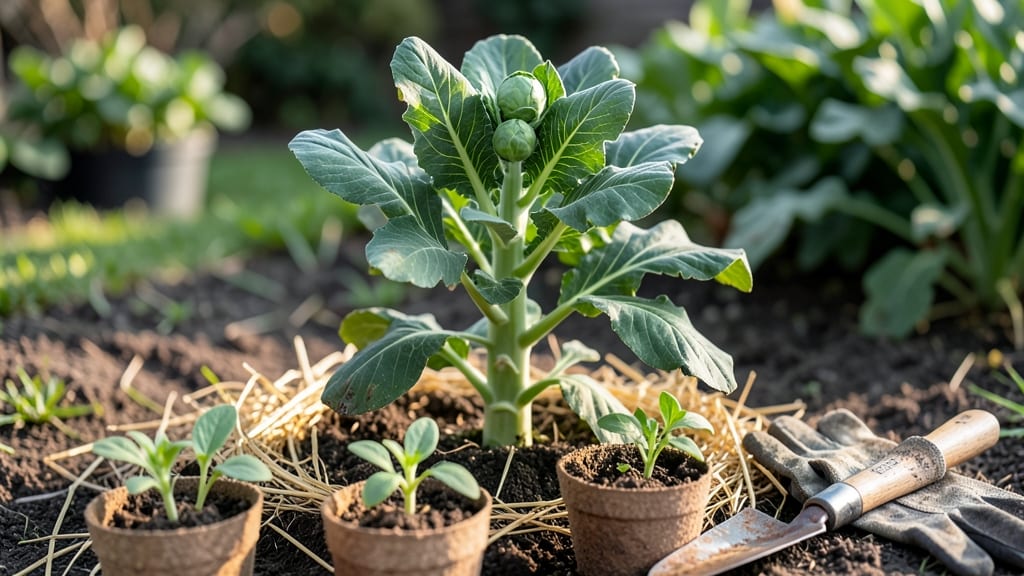
If you’ve ever wondered when to plant Brussel sprouts 🥦 in Louisiana, timing is everything—especially when facing the state’s brutal summer heat and unpredictable winters.
The key to a bountiful harvest lies in planting between late August and early September, when temperatures start cooling just enough to prevent bolting (that dreaded early flowering).
Louisiana’s 8a-9b climate zones give you a narrow but critical window to get seeds in the ground before the first frost hits around mid-November. Miss this timing, and your sprouts might bolt too soon or struggle to mature before winter sets in.
But don’t worry—with the right heat-tolerant varieties and a few pro tips, you can still grow these nutritious greens successfully.
What makes this even more exciting? You can actually plant two batches: one in late summer for a fall harvest and another in early spring (if you’re brave enough to brave the heat).
The secret? Choosing varieties like ‘Long Island Improved’ or ‘Ruby Ball,’ which handle humidity and heat better than others. I’ll show you exactly how to time it right for maximum yield.
Ready to turn your Louisiana garden into a Brussel sprout powerhouse? Let’s dive into the exact planting schedule, soil prep tricks, and how to beat the heat—so you can enjoy homegrown sprouts from November through January. Trust me, your taste buds (and dinner table) will thank you!
Best planting windows for Brussels sprouts in Louisiana’s climate zones
Brussels sprouts thrive in Louisiana’s mild winters and cool falls, but timing is everything. The key is planting 8-10 weeks before the first frost, which typically hits mid-November in most areas.
For USDA zones 8a-9b, this means starting seeds or transplants in late summer to early fall—usually between August and September.
Louisiana’s hot summers make spring planting risky, as seedlings can bolt or wilt under 90°F+ temperatures. Instead, focus on fall planting for the best results.
If you’re ambitious, you can try an early spring planting in February for a summer harvest, but this requires extra shade and watering to prevent stress.
Here’s the critical timeline for Louisiana growers: August-September for fall harvests, with sprouts ready by November-December. Avoid planting after October 1st, as cooler temps slow growth and reduce yield. In Zone 9b (southern LA), you may push planting to early October, but monitor weather closely.
| Planting Window | USDA Zones | Key Notes | Harvest Window |
|---|---|---|---|
| Late August - Early September | 8a-9b | Best for fall harvest; plant 8-10 weeks before first frost | November - December |
| Early October (Zone 9b only) | 9b | Riskier; monitor temps; may need shade cloth | December - January |
| February (Spring Attempt) | 8a-9b | High heat risk; requires extra care (shade, water) | June - July |
If you’re starting from seeds, begin indoors 6-8 weeks before transplanting (around July for fall planting). Harden off seedlings for 7-10 days before moving them to the garden.
For transplants, choose 6-week-old seedlings from a nursery and plant them deeply—cover half the stem with soil to encourage stability.
Louisiana’s humid summers can lead to fungal diseases like downy mildew, so avoid planting too early. Wait until soil temps drop below 85°F (usually late August) to reduce stress. Use mulch to keep roots cool and moist, and space plants 18-24 inches apart for airflow.
For succession planting, stagger transplants every 2-3 weeks from August through September. This extends your harvest window and ensures a steady supply of fresh sprouts. Just remember: the last planting should be done 10 weeks before frost—no exceptions!
One common mistake is planting too late and ending up with small, underdeveloped sprouts. To avoid this, use a planting date calculator or mark your calendar for September 1st as the absolute deadline for most of Louisiana.
In Zone 9b, you might squeeze in a late-September planting, but growth will slow dramatically.
Finally, don’t forget that Brussels sprouts need time. They take 90-100 days to mature, so if you plant in early September, you’ll harvest in late November—just before frost sweetens the flavor. Plan ahead, and you’ll enjoy homegrown sprouts all winter long!
🌱
Best planting windows for Brussels sprouts in Louisiana’s climate zones
Louisiana’s USDA Zones 8a-9b offer unique challenges for growing Brussels sprouts, but the key lies in timing. The ideal planting window is late summer to early fall, specifically August through September, to ensure a harvest before the first frost in mid-November.
This timing aligns with the plant’s 90-100 day maturity window, allowing it to develop fully before cold weather sets in.
Brussels sprouts thrive in cooler temperatures (50-75°F), so planting too early in Louisiana’s heat can stress seedlings. Aim to sow seeds 8-10 weeks before your first frost date. In most of Louisiana, this means starting seeds indoors in mid-July and transplanting outdoors by late July to early August.
For container gardening, adjust timing slightly earlier to account for slower growth in pots.
Here’s the critical planting timeline for Louisiana:
| Stage | Action | Timeframe |
|---|---|---|
| Start Seeds Indoors | Sow seeds in trays with seed-starting mix. | Mid-July |
| Transplant Seedlings | Move hardened-off seedlings outdoors. | Late July - Early August |
| Direct Sow Outdoors | Plant seeds directly in garden beds. | August |
| First Frost Warning | Harvest before temperatures drop below 25°F. | Mid-November |
Avoid planting Brussels sprouts in spring—Louisiana’s heat causes them to bolt prematurely, producing bitter, poor-quality sprouts. If you’re eager for an earlier harvest, consider succession planting in late August for a staggered yield.
This works well in USDA Zone 9b, where winters are milder, but even in Zone 8a, it extends your harvest window.
For container gardening, choose dwarf varieties and plant in large pots (12+ inches deep) to ensure stability. Containers dry out faster, so monitor soil moisture closely. In raised beds, plant along the edges to maximize space and improve air circulation, which is crucial in Louisiana’s humid climate.
If you miss the ideal window, don’t despair—shade cloth (30-50%) can help protect seedlings from late-summer heat. Pair this with drip irrigation to maintain consistent moisture, and your plants will have a fighting chance.
The goal is to give your Brussels sprouts the cool, stable conditions they crave before the frost arrives.
With the right timing and care, you’ll enjoy a bountiful harvest of sweet, tender sprouts—perfect for Louisiana’s cooler months. Just remember: patience and preparation are key in the Bayou State’s unpredictable climate! 🌱