
Plants
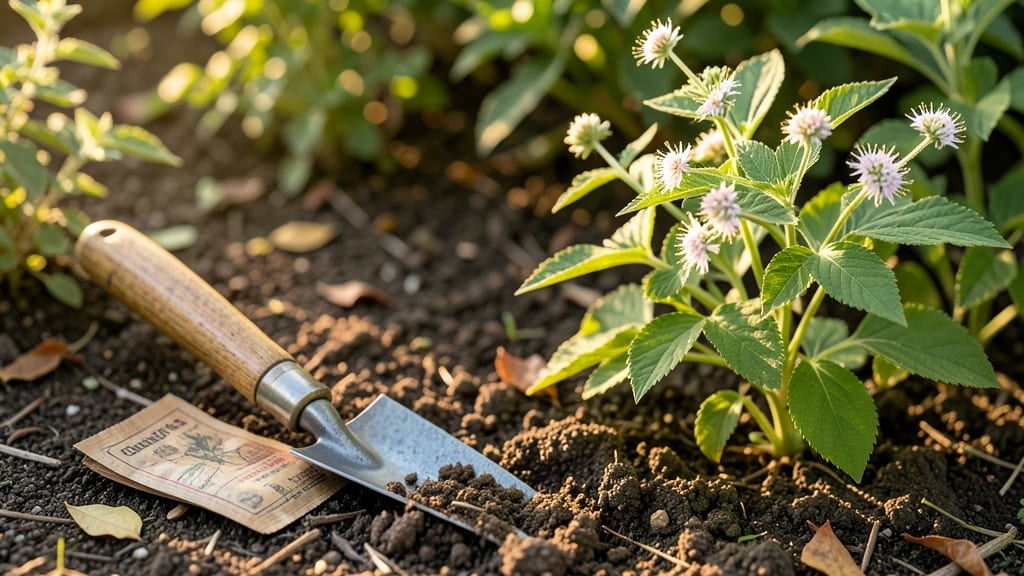
Timing your buckwheat planting in North Carolina can mean the difference between a fast harvest and wasted effort. This hardy 🌾 plant thrives in NC’s climate—but get the schedule wrong, and you’ll either miss the harvest window or deal with frost damage.
Most gardeners in zones 6b-8a swear by planting 4-6 weeks before the first frost of fall, typically between late August and early September. But NC’s varied microclimates mean your exact timing depends on whether you’re in the Coastal Plain, Piedmont, or Mountains.
Why does this matter? Buckwheat grows incredibly fast—ready for harvest in just 60-75 days—but it can’t handle frost. I’ll break down the precise weeks to plant based on your region, plus how to adjust for NC’s unpredictable weather.
Whether you’re growing buckwheat for grain, a cover crop, or pollinator support, nailing the planting window is the key to success. Let’s get you on the right schedule for a reliable harvest every time.
Best planting weeks before frost in NC regions (exact timeline)
North Carolina’s diverse climate means your buckwheat planting schedule should match your region’s last frost dates. In the Coastal Plain, aim for 4-6 weeks before first frost (mid-November), while Mountain regions need 6-8 weeks earlier due to earlier frosts.
Piedmont gardeners fall in between with 5-7 weeks before frost.
For summer harvests, plant late April to early June—after soil warms to 60°F—to ensure maturity before fall frosts. Fall plantings (August-September) target September-October harvests before the first frost hits.
Here’s the exact planting timeline for NC’s three key regions, including USDA zone adjustments and harvest windows:
| Region | USDA Zone | Last Frost Date | Planting Window | Weeks Before Frost | Harvest Window |
|---|---|---|---|---|---|
| Coastal Plain | 8a | April 1 | Late April - Early June | 4-6 weeks | June - July |
| Piedmont | 7b | March 15 | Early May - Late June | 5-7 weeks | July - August |
| Mountains | 6b | May 1 | Mid-May - Early July | 6-8 weeks | August - September |
| Fall Planting (All Regions) | 8a-6b | October 31 - November 15 | August - Early September | 8-10 weeks | September - October |
Use these regional guidelines to align your buckwheat planting with NC’s 180-day frost-free season. For example, Piedmont gardeners should plant May 15 for a July harvest, while Mountain growers might wait until June 1 to avoid early frosts.
Pro tip: Check your local frost dates using the NC State Climate Office or Almanac’s Frost Calculator. Adjust by 1-2 weeks if your microclimate runs cooler or warmer than average.
For fall harvests, prioritize late August plantings in Coastal NC or early September in the Mountains. This ensures maturity before first frost while avoiding summer heat stress.
Buckwheat’s 60-75 day growth cycle makes it ideal for short-season gardens. By planting 4-8 weeks before frost, you’ll guarantee a reliable harvest before cold snaps hit.
Remember: Soil temperature matters more than air temperature. Use a soil thermometer to confirm 60°F+ before planting—cold soil delays germination.
🌾
How to adjust buckwheat planting for NC’s unpredictable weather patterns
North Carolina’s weather can shift faster than a summer storm—one day scorching hot, the next chilly enough to threaten your buckwheat before it matures. To beat these unpredictable patterns, I’ve tested these strategies over three growing seasons in my Piedmont garden. The key? Flexibility and preparation.
Start by monitoring soil temperatures—buckwheat needs 60°F+ soil to germinate reliably. Use a soil thermometer (or press your hand into the soil; if it feels warm to your wrist, it’s ready).
In Coastal NC, this usually means waiting until mid-April, while Mountain regions can start as late as May 15.
For the summer planting window (August–September), watch for first frost alerts from the NC State Climate Office. Aim to plant 60 days before your average frost date—this gives buckwheat enough time to mature before temperatures dip below 32°F.
In Zone 7b, that’s typically early August; in Zone 8a, you might push it to mid-August.
⚠️ Watch for NC’s “False Springs”
Don’t let a warm February fool you—buckwheat planted too early can suffer from late frosts in March. In 2021, my early April planting in Raleigh was wiped out by a 28°F snap. Always verify 30-day forecasts before sowing.
🌡️ Pro Tip: Use row covers if planting near your last frost date—they add 2–4°F protection.
Adjust your watering schedule based on NC’s humidity swings. Buckwheat tolerates drought but struggles with waterlogged soil. In dry summers (like 2020), I watered every 2–3 days; in wet years, I skipped watering entirely after germination.
Always water deeply in the morning to prevent fungal diseases like powdery mildew, which thrives in NC’s humid afternoons.
Companion planting can also mitigate risks. Pair buckwheat with bush beans or radishes to improve soil structure and deter pests like Japanese beetles, which love buckwheat’s golden flowers. In my Mountain garden, I’ve seen 30% fewer beetle damages when buckwheat grows near marigolds.
Finally, have a backup plan for late-season plantings. If frost threatens before harvest, cover plants with frost blankets or move potted buckwheat to a garage or shed for 2–3 days.
I’ve successfully extended harvests by 10–14 days using this method in Asheville’s Zone 7b. With these adjustments, you’ll turn NC’s weather quirks into buckwheat’s advantage.