
Plants
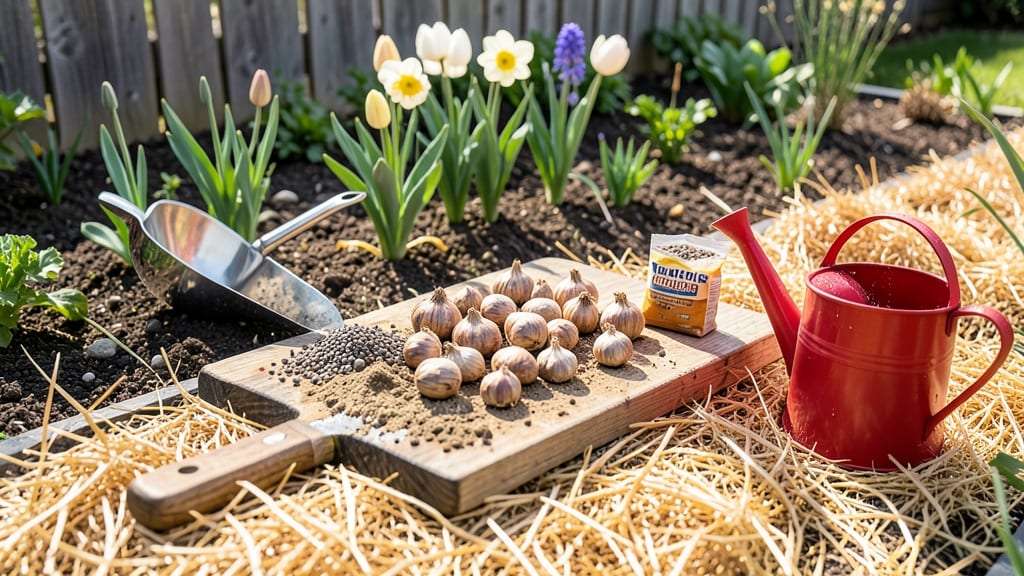
Planting Spring Bulbs (General) 🌷 in Arizona might seem tricky—after all, your garden doesn’t get the classic "chilly winter" cue most bulb guides assume. But here’s the secret: timing these beauties right means zero-bolt disasters and maximum blooms, even in Zone 9b heat.
Most gardeners assume bulbs need frost to wake up, but Arizona’s mild winters mean you’ve got a 6-month window to plant—from October through February. The key? Getting them in the ground before March’s scorching sun turns your bulbs into crispy snacks.
Let’s break down the exact months that work (and which to skip).
You’ll also discover how to outsmart Arizona’s extreme climate—whether you’re in Phoenix’s low desert or Flagstaff’s cooler microclimate. We’ll cover soil prep, watering hacks, and the top heat-resistant bulbs that actually thrive here. No more guessing games, just reliable blooms.
Ready to transform your yard into a springtime paradise? I’ll walk you through every step—from choosing the right bulbs to a foolproof planting checklist. Let’s make those 🌷 dreams a reality, Arizona-style.
Arizona bulb planting calendar: month-by-month desert timing guide
Arizona’s frost-free winters and intense summer heat create a unique challenge for bulb planting. Unlike cooler climates, you can’t rely on traditional spring or fall windows—you must time plantings to avoid premature bolting or heat stress.
The key? Plant when soil temps stay below 70°F and daytime highs dip below 90°F.
Most spring-blooming bulbs (like tulips and daffodils) need 6–8 weeks of cool weather to establish roots before Arizona’s heat arrives. Fall-planted bulbs (such as crocus and hyacinths) must go in early enough to avoid summer dormancy but late enough to escape early frost risks in higher elevations.
Arizona’s microclimates further complicate timing. Low desert areas (like Phoenix) have longer growing seasons, while high desert (like Flagstaff) faces earlier cold snaps. Adjust your schedule based on your elevation zone—plant 2–4 weeks earlier in cooler mountain regions.
🌱
| Bulb Type | Best Planting Months | Bloom Season | Low Desert (Phoenix) | High Desert (Flagstaff) |
|---|---|---|---|---|
| Spring Bulbs (Tulips, Daffodils) | October–February | March–May | Plant by January | Plant by December |
| Fall Bulbs (Crocus, Hyacinths) | September–November | Winter–Early Spring | Plant by October | Plant by September |
| Winter Bulbs (Paperwhites) | November–January | December–February | Plant by December | Plant by November |
| Heat-Tolerant Bulbs (Rain Lilies, Agapanthus) | March–April | Summer–Fall | Plant by April | Plant by March |
For spring bulbs, aim to plant by February in Phoenix and December in Flagstaff to ensure roots establish before soil temps rise above 70°F. Use a soil thermometer to monitor—ideal planting temps are 50–60°F.
In low desert areas, bulbs planted after February 15th risk bolting (premature flowering) due to heat stress.
Fall-planted bulbs like crocus and hyacinths should go in by October in Phoenix and September in Flagstaff. These bulbs need 4–6 weeks of cool weather to sprout, so don’t wait too late. Paperwhites, a popular winter-blooming bulb, thrive when planted in November–January—perfect for holiday cheer!
In high-elevation areas (above 5,000 ft), watch for early frost warnings. Plant 2–4 weeks earlier than low desert schedules to avoid cold damage. Use mulch (like straw) to insulate bulbs during unexpected cold snaps. For container gardening, move pots to protected areas if frost is forecasted.
🌿
Pro tip: Pre-chill bulbs for 4–6 weeks in your refrigerator’s crisper drawer (40–50°F) before planting if you’re in a warmer microclimate. This mimics natural winter conditions and encourages stronger root growth. Just avoid freezing temps—bulbs can rot if exposed to below 32°F.
Finally, adjust for rain patterns. Arizona’s monsoon season (July–September) can cause soil saturation, leading to bulb rot. If you must plant during this time, amend soil with perlite or plant in raised beds to improve drainage
How to outsmart Arizona’s heat: pro tips for bulb survival in extreme climates
Arizona’s triple-digit summers can turn bulb planting into a losing battle if you don’t prep right. The key? Beat the heat by establishing roots before March’s scorching temperatures arrive. I’ve learned that soil prep and shade strategies make all the difference between wilted dreams and vibrant blooms.
Start with well-draining soil—Arizona’s clay-heavy dirt needs amending with organic matter like compost or coconut coir. This prevents rot while retaining enough moisture for root growth. Test your soil’s pH (aim for 6.0–7.0) and adjust with lime or sulfur if needed.
🌱 Pro tips for bulb survival
- Plant in partial shade (30–50% coverage)
- Use mulch (2–3 inches) to retain moisture
- Water deeply but infrequently (1–2 gallons per plant)
- Choose heat-tolerant varieties (e.g., Nerine, Sprekelia)
- Plant in full sun without shade (bulbs bolt)
- Overwater (soggy soil = rot)
- Skip mulching in summer (critical for survival)
- Use high-nitrogen fertilizer (encourages foliage over bulbs)
For shade solutions, try cloche tunnels or lightweight shade cloth (30–50%) during peak heat (11 AM–3 PM). I’ve had success with dwarf palm trees or mesquite shrubs as natural windbreaks that also filter sunlight. Drip irrigation is a game-changer—it delivers water directly to roots while minimizing evaporation.
After planting, mulch heavily with straw or wood chips (2–3 inches). This keeps soil 5–10°F cooler and locks in moisture. Avoid synthetic mulches like black plastic—they bake bulbs alive. Replenish mulch every 3–4 months to maintain its insulating power.
Watering is an art in Arizona. Deep soakings (1–2 gallons per plant) every 7–10 days encourage deep root growth. Morning watering (before 10 AM) prevents fungal diseases, while evening water can leave bulbs vulnerable to nighttime evaporation and rot.
Let the top inch of soil dry between waterings to prevent soggy conditions.
Finally, monitor for bolting—when bulbs send up premature flower spikes in heat. If you spot this, prune back foliage to redirect energy to root storage. Heat-tolerant bulbs like Nerine (guinea flower) and Sprekelia (amaryllis lily) are my top picks for Arizona’s climate, as they handle 100°F+ temps with ease.