
Plants
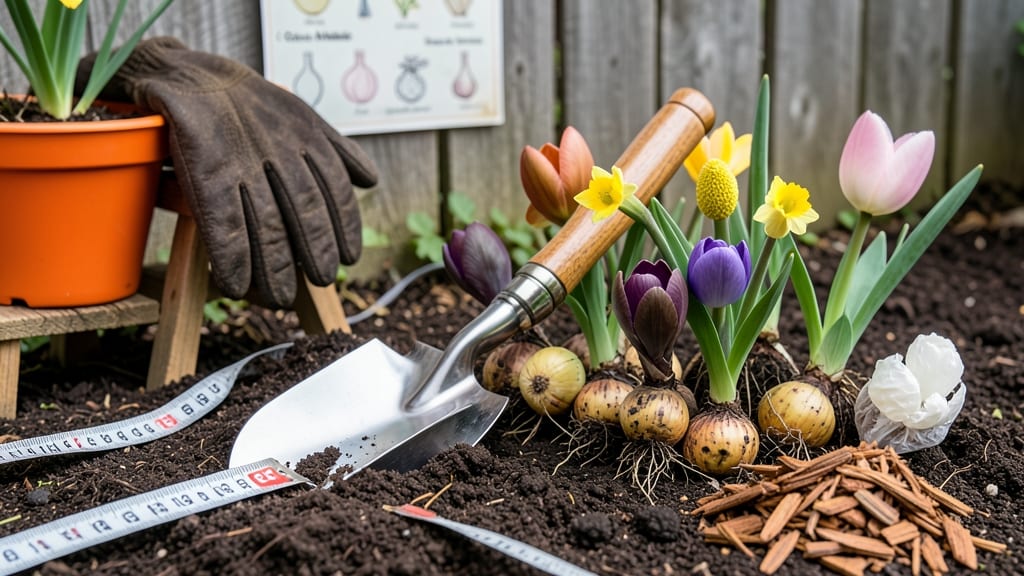
Timing your when to plant bulbs in Boston could mean the difference between a dazzling spring display of 🌷 tulips and daffodils or a missed opportunity entirely—especially in a city where frost dates shift yearly.
Boston’s USDA Zone 6b climate demands precision, and getting it wrong means your bulbs might rot before they bloom. The key? Planting 6-8 weeks before the ground freezes—typically between mid-October and November—so roots establish before winter sets in.
I’ve seen firsthand how a few weeks’ difference can transform a garden. Whether you’re a backyard gardener or a city-dweller with a tiny patio, this guide will help you nail the perfect timing for vibrant blooms next spring.
Let’s break down the exact months, soil prep secrets, and how to adjust for Boston’s tricky microclimates—so you can enjoy those zero-frost successes year after year.
Boston’s frost dates and best bulb planting months by type
Boston’s USDA Zone 6b climate means fall-planted bulbs need precise timing to survive winter and bloom spectacularly next spring. The average first frost date is around October 20, but urban areas like Back Bay can experience frost 1-2 weeks later due to the heat island effect.
For spring-flowering bulbs like tulips and daffodils, planting in October or early November gives roots time to establish before the ground freezes.
Fall-planted bulbs require 6-8 weeks of cool soil temperatures to root properly. In Boston, this typically means planting between mid-October and mid-November.
If you miss this window, you can plant as late as December, but expect fewer blooms the following spring. Spring-planted bulbs, like summer-blooming dahlias, go in after the last frost, around May 15.
Here’s a quick reference for Boston gardeners: tulips, daffodils, and hyacinths thrive when planted in October or November, while crocuses and snowdrops can handle late November plantings. Alliums and fritillaries are more frost-tolerant and can even be planted in early December if the ground isn’t frozen.
If you’re planting in late November or December, focus on hardier bulbs like daffodils and crocuses. These varieties can handle colder soil and still produce vigorous blooms the following spring.
For tulips and hyacinths, late plantings may result in smaller flowers or delayed blooming, but they’ll still thrive with proper care.
Boston’s coastal areas, like Revere or Lynn, often experience earlier frosts due to ocean breezes, while inland neighborhoods like Jamaica Plain may stay warmer longer. Adjust your planting timeline by 1-2 weeks earlier in coastal zones to account for these microclimates.
Always check the soil temperature—it should be below 60°F for 2-3 weeks before planting.
Pro tip: Use a soil thermometer to monitor temperatures. Bulbs need consistent cool soil (ideally 50-60°F) to root properly. If your soil is still warm in late October, wait a few weeks before planting. Overheated soil can cause bulbs to sprout prematurely, leading to weak growth or frost damage.
For container gardening in Boston, plant bulbs in pots by mid-October to give them enough time to root. Use a well-draining potting mix and place
How to adjust planting for Boston’s microclimates (Back Bay vs. Dorchester)
Boston’s diverse neighborhoods create microclimates that can shift bulb planting windows by 2-3 weeks. The Back Bay, with its urban heat island effect, often stays 5-10°F warmer than Dorchester’s coastal areas.
This means your tulips might bloom 10 days earlier in a downtown garden bed compared to a South Boston yard near the harbor.
Coastal areas like Dorchester experience colder temperatures due to ocean breezes, while urban heat islands (like Downtown or Back Bay) can delay frost by 1-2 weeks. Always check your local frost dates—they’re not one-size-fits-all in Boston!
Here’s how to adapt your bulb planting schedule for these differences, plus pro tips to protect your investments from Boston’s unpredictable weather.
| Microclimate | Average First Frost | Best Planting Window | Adjustments Needed |
|---|---|---|---|
| Back Bay/Downtown | October 25 | October 15–November 5 | Plant 1 week later than average; use row covers for early frosts. |
| South Boston/Coastal | October 20 | October 1–October 25 | Plant 2 weeks earlier; prioritize dwarf varieties for wind protection. |
| Dorchester/Roxbury | October 18 | September 25–October 15 | Add 3 inches of mulch after planting; avoid late-season bloomers like lilies. |
For urban gardeners, consider container planting—pots can be moved to sheltered spots during early frosts. Use black plastic mulch in cooler areas to absorb heat and extend the growing season by 10-14 days.
In windy coastal zones, stake tall bulbs like grape hyacinths to prevent stem breakage.
Pro tip: Test your soil in fall—Boston’s clay-heavy soil drains poorly, which can rot bulb roots. Amend with compost or sand to improve drainage, especially in low-lying areas like parts of Charlestown. A pH of 6.0–7.0 is ideal for most spring bulbs.
If you’re unsure about your microclimate, observe your neighborhood’s plants: Do daffodils bloom in late March or early April? That’s your cue—plant bulbs 6-8 weeks before you typically see those first blooms! 🌱