
Plants
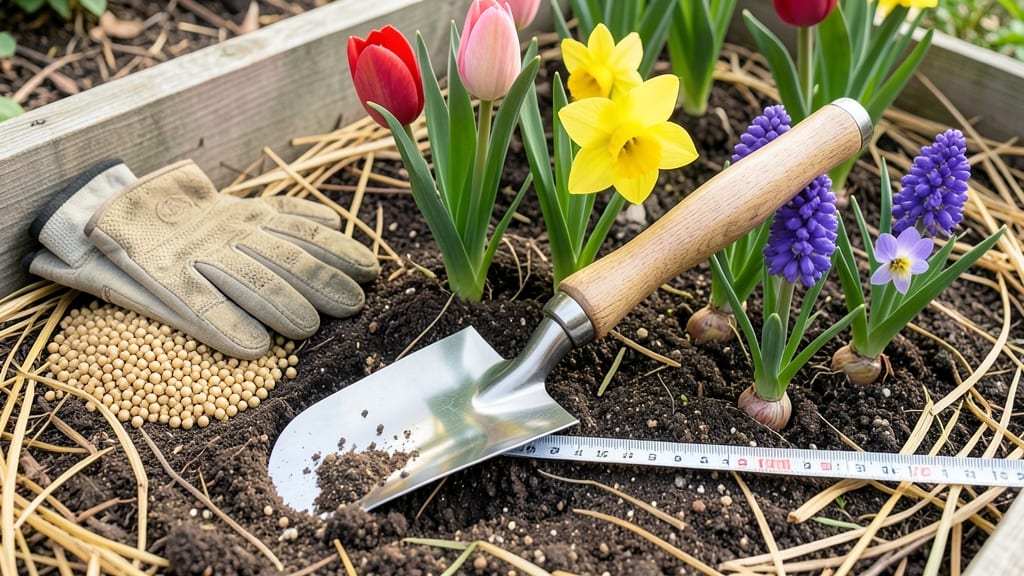
If you’re dreaming of a Denver garden bursting with 🌷 spring blooms, timing your bulb planting could mean the difference between a showstopper display and a flop.
The perfect window for planting bulbs in Denver isn’t just about the calendar—it’s about understanding how the city’s unique climate, from its high-altitude chill to unpredictable frost dates, plays a role.
Most gardeners know fall is the magic time for planting spring-flowering bulbs like tulips and daffodils, but Denver’s USDA Zone 6b adds a twist.
Planting too early or too late can leave your bulbs struggling, so getting the timing right—ideally between September and November—is key to ensuring they get the cold they need to bloom beautifully next spring.
In this guide, I’ll break down exactly when to plant, how Denver’s microclimates affect your garden, and the chill-hour chart you need to know to pick the right bulbs for your yard.
Whether you’re a first-time planter or a seasoned gardener, these tips will help you avoid common mistakes and set your bulbs up for success.
Ready to transform your garden into a springtime paradise? Let’s dive into the ideal planting schedule, soil prep secrets, and pro tips tailored just for Denver’s climate. Your future blooms will thank you!
Denver’s chill-hour requirements: how cold do bulbs need?
Denver’s USDA Zone 5b-6a climate creates unique challenges for bulb planting. Unlike warmer regions, bulbs here need chill-hours—prolonged exposure to temperatures between 32°F and 45°F—to trigger blooming. Without enough cold, your tulips and daffodils might sprout leaves but skip flowers entirely.
Most spring-blooming bulbs require 1,000 to 1,500 chill-hours to break dormancy. Denver’s winter reliably delivers this, but altitude effects (our elevation of 5,280 feet) can make early or late frosts more unpredictable. For example, hyacinths need 1,200 chill-hours, while crocuses thrive with just 600 hours.
Here’s how to match bulbs to Denver’s climate: Plant tulips and alliums in fall for maximum chill exposure. Daffodils are more forgiving but still benefit from early planting. Avoid tropical bulbs like amaryllis, which won’t tolerate our winters.
Soil temperature matters too. Bulbs should go into 50°F or cooler soil by mid-October. Use a soil thermometer to check—planting too early in warm soil can wake bulbs prematurely, leading to frost damage.
Microclimates in Denver add another layer. South-facing slopes warm up faster, while northern exposures stay colder longer. Adjust planting dates by 2-3 weeks if your yard fits these extremes.
Pro tip: Layer bulbs by chill requirements. Plant crocuses (low chill) first in early fall, then add tulips (high chill) as temps drop. This extends your bloom season.
🌱 Chill-Hour & Planting Guide for Denver Bulbs
| Bulb Type | Chill-Hours Needed | Denver Planting Window | Soil Temp Requirement |
|---|---|---|---|
| Tulips | 1,200–1,500 hrs | Oct 1–Nov 15 | ≤50°F |
| Daffodils | 900–1,200 hrs | Sep 15–Nov 1 | ≤55°F |
| Hyacinths | 1,200–1,500 hrs | Oct 1–Nov 10 | ≤50°F |
| Crocuses | 600–900 hrs | Sep 1–Oct 15 | ≤55°F |
| Alliums | 1,000–1,300 hrs | Sep 20–Nov 1 | ≤50°F |
💡 Note: Adjust dates 1–2 weeks earlier for high-altitude yards or later for sheltered microclimates.
If you’re unsure about your yard’s chill-hours, observe local blooms. Native crocuses often pop up earliest—plant near them for inspiration. For tulips, aim for October planting to ensure they get enough cold before Denver’s first hard frost (usually late October).
Remember: Soil prep is half the battle. Amend clay-heavy Denver soil with compost to improve drainage. Bulbs rot in soggy soil, and Denver’s unpredictable spring thaws can turn planting beds into mud pits. Test drainage by digging a hole—if water pools after 6 hours, add sand or grit.
Finally, don’t stress over perfect timing. Even if you plant a week late, bulbs can still thrive with proper care. The key is consistency: plant at the right depth (6–8 inches), keep soil moist (but not soggy), and protect them from voles with wire mesh.
With Denver’s chill-hours on your side, your bulbs will reward you with bold, vibrant blooms come spring—just in time for those sunny mountain days! 🌷
Best month-by-month planting schedule for Denver gardens
Denver’s short growing season and variable frost dates mean your bulb planting timing must align with local climate patterns. Most gardeners focus on fall planting for spring blooms, but summer planting is key for fall-flowering varieties like crocuses and hyacinths.
Let’s break down the ideal schedule to maximize your blooms.
For spring-blooming bulbs (tulips, daffodils, hyacinths), aim to plant between September 15 and October 15. This gives bulbs 6-8 weeks to establish roots before the ground freezes.
In Denver’s USDA Zone 5b-6a, the first hard frost typically hits between October 20 and November 10, so don’t wait too late!
Here’s your month-by-month guide to planting bulbs in Denver, including adjustments for microclimates like sun-exposed slopes or shaded yards:
Test soil drainage and pH (6.0-7.0 ideal). Amend with compost if needed. Buy bulbs early for the best selection!
Plant spring-blooming bulbs (tulips, daffodils) 6-8 inches deep, pointy end up. 6-8 weeks before frost ensures root growth.
Finish planting by October 15. Use mulch (2-3 inches) to insulate bulbs. Avoid planting after first frost!
Plant summer/fall bulbs (dahlias, gladiolas) after soil warms to 60°F. Wait until after last frost (April 15) for spring bulbs.
Add fertilizer (5-10-10) when shoots emerge. Water deeply once a week to encourage blooms.
Adjust for Denver’s elevation (5,280 ft): Higher areas (like Boulder) may need earlier planting (late August) due to colder soils. Shaded areas? Plant dwarf varieties (crocuses, grape hyacinths) for better success.
Pro tip: Use a soil thermometer to confirm temps are below 60°F before planting fall bulbs. If you miss the window, layer bulbs in pots for indoor forcing!