
Planting
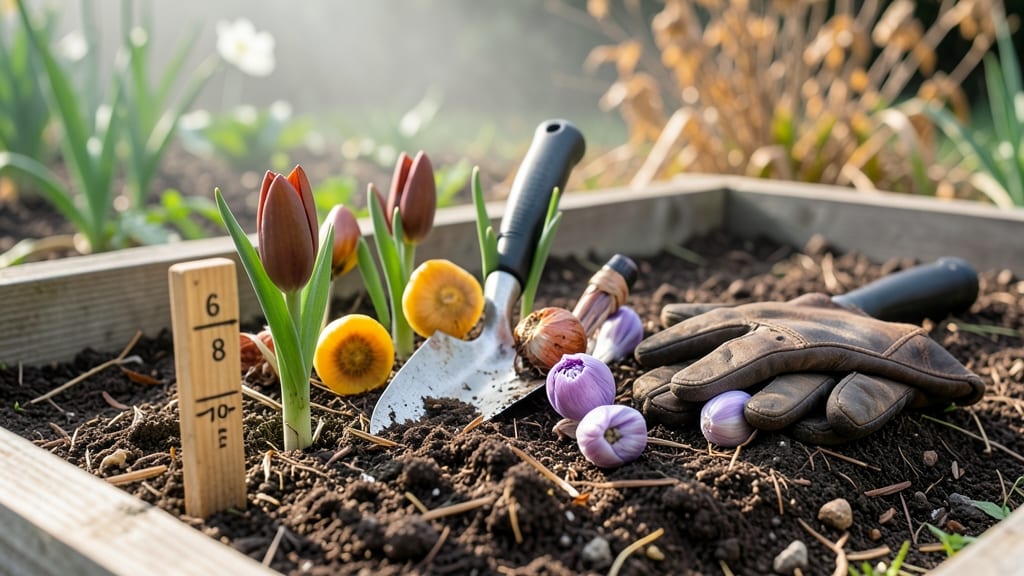
Timing when to plant bulbs in the garden just right can mean the difference between a showstopping spring display and a disappointing flop. In USDA Zone 6a, where frost arrives early and lingers late, getting those 🌱 planted too soon or too late throws off their entire growth cycle.
Most gardeners know fall is the prime window, but did you know daffodils and tulips have different sweet spots? Planting 4-6 weeks before your first frost gives roots time to establish before winter, while spring-planted varieties like crocuses need to go in as soon as the ground thaws.
The key is understanding how each type handles cold—and when to adjust for your specific last-frost date.
I’ll walk you through the exact months for your zone, plus pro tips to avoid common mistakes like planting too shallow or in soggy soil. Whether you’re a first-timer or a seasoned gardener, these insights will help you time it perfectly for blooms that’ll make your neighbors jealous.
Ready to transform your garden? Let’s dive into the science of bulb planting so you can enjoy those vibrant spring colors year after year—without the guesswork.
Best planting months for garden bulbs by USDA zone
Planting bulbs at the right time ensures they establish strong roots before winter, leading to vibrant blooms next spring. Most bulbs thrive when planted in fall, but timing varies by USDA zone and bulb type. Let’s break it down by zone so you can plant with confidence.
In USDA zones 3-5, aim for 6-8 weeks before first frost—typically September to early October. Cooler climates give bulbs time to root before freezing. For zones 6-8, plant in October to November, as milder winters mean less urgency.
Zones 9-10 are unique: plant in winter (December-February) to avoid summer heat stress. Tropical bulbs like cannas or caladiums follow different rules—they go in after your last frost, usually March-April.
Here’s a quick reference for popular bulbs and their ideal planting windows:
| Bulb Type | USDA Zones | Best Planting Month | Notes |
|---|---|---|---|
| Tulips | 3-8 | September-October | Cold-hardy; plant early |
| Daffodils | 3-10 | October-November | Tolerates wet soil |
| Hyacinths | 4-8 | September-October | Needs well-draining soil |
| Crocus | 3-9 | September-October | Early bloomer |
| Allium | 3-9 | September-October | Drought-tolerant |
| Tropical Bulbs (e.g., Caladium) | 9-11 | March-April | After last frost |
For spring planting, focus on late winter (February-March) in zones 6-10. This works for bulbs like tulips or daffodils that can handle cooler soil. Just ensure the ground isn’t frozen—use your finger to test: if it’s easily penetrable, it’s ready.
Pro tip: Check your local frost dates (via Almanac.com) and adjust by 2-4 weeks if your area has unpredictable weather. For example, zone 7 might need bulbs in by mid-October if frost hits early.
Soil temperature matters too. Aim for 50-60°F—use a soil thermometer to confirm. If soil is too warm, bulbs may sprout too soon and get fried by frost. In zones 9-10, plant in cool winter months to mimic natural dormancy cycles.
Remember: Fall planting gives bulbs 6-8 weeks to root before winter. Spring planting is riskier but works for hardy varieties like daffodils. Always plant bulbs pointy end up and 2-3 times their height deep for best results.
Now that you’ve got the perfect timing, your next step is preparing the soil—loose, well-draining, and amended with compost ensures bulbs thrive. Let’s dive into soil prep tips next!
How to adjust bulb planting for early vs. late frost zones
Planting bulbs in the wrong season can mean the difference between vibrant blooms and rotted bulbs. If you live in early frost zones (like zones 3-5), you’ll need to plant 6-8 weeks before the first frost—sometimes as early as late August.
In late frost zones (zones 8-10), you can extend your window until December, but watch for unpredictable cold snaps. The key? Soil temperature—bulbs need 40-50°F soil to root before dormancy.
Mulching is your secret weapon. In early frost zones, apply 3-4 inches of mulch after planting to insulate bulbs. In late frost zones, a light mulch (1-2 inches) protects against sudden temperature drops.
Avoid heavy mulch in warm climates—it can suffocate bulbs or attract pests. Always check your local frost dates and adjust accordingly.
Some bulbs, like tulips and daffodils, are hardy enough for early planting, while tropical bulbs (e.g., cannas or dahlias) need spring planting after the last frost. If you’re unsure, test soil temperature with a thermometer—it’s the most reliable guide.
Planting too late? Your bulbs may rot before winter. Too early? They might sprout and die back before establishing roots.
⚠️ Warning: Frost Zones & Bulb Risks
Early Frost Zones (3-5): Plant 8+ weeks before frost—late August to early October. Late Frost Zones (8-10): Plant until December, but monitor for cold snaps.
❌ Mistake: Planting when soil is above 60°F—bulbs won’t root before winter.
✅ Fix: Use a soil thermometer; aim for 40-50°F.
For unpredictable frost zones (like zones 6-7), stagger planting. Start with hardy bulbs (e.g., daffodils) in early fall, then add tulips or hyacinths 3-4 weeks later. This spreads risk if an early freeze hits.
If you miss the fall window, spring planting works for most bulbs—just plant as soon as soil is workable (usually March-April in cooler zones). Avoid planting in freezing soil, though—it’s a surefire way to damage tender roots.
Don’t forget bulb freshness. Older bulbs (especially tulips) may not survive if planted late. Choose firm, plump bulbs with dry skins—they’re better equipped to handle stressful conditions. Store them in a cool, dark place (like a garage) until planting day.
Pro tip: Soak bulbs in a fungicide solution (like neem oil) before planting in wet climates to prevent rot.
🌱 Adjust Your Planting by Zone
- Zones 3-5: Plant late August to early October (soil temp: 40-50°F).
- Zones 6-7: Plant September to November—stagger for safety.
- Zones 8-10: Plant October to December (watch for cold snaps).
- Spring Planting: March-April (after last frost).
Final rule: When in doubt, plant early. Bulbs can survive light frosts once rooted, but they won’t recover if planted too late. Mark your calendar, grab a soil thermometer, and give your bulbs the perfect head start—your spring garden will thank you! 🌸