
Plants
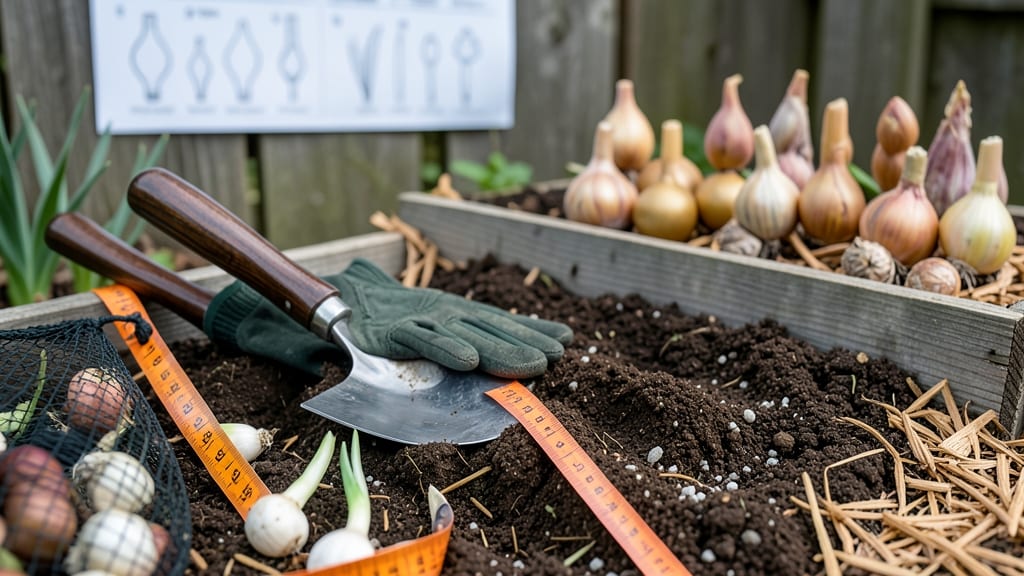
Timing your bulb planting in South Carolina can mean the difference between vibrant spring blooms and frost-damaged dreams—so knowing the exact months to plant each variety is critical for zero frost risk.
With South Carolina's 7b-8b climate, the ideal window stretches from September through November for fall planting, ensuring bulbs establish roots before winter. But did you know some varieties, like crocus and snowdrops, can handle winter planting too? Let me break down the perfect schedule for your 🌱 garden.
Whether you're a seasoned gardener or just starting, getting the timing right means fewer surprises when spring arrives. We'll cover the best months for each type, soil prep tips, and how to adjust for SC's microclimates—so you can enjoy those first blooms without worry.
Ready to transform your yard? I'll show you how to plant bulbs for maximum impact, from soil amendments to mulching, so you can skip the guesswork and enjoy a show-stopping spring display every year.
South Carolina bulb planting calendar: month-by-month guide by variety
South Carolina’s mild winters and humid summers create a unique window for planting bulbs—6-8 weeks before your first frost (typically mid-November) is ideal for fall varieties, while January-February works for winter-planted bulbs like crocus and snowdrops.
The key is avoiding frost damage while allowing roots to establish before dormancy.
Most spring-flowering bulbs (like tulips and daffodils) thrive when planted in September-October, while fall-blooming varieties (such as allium and hyacinths) can go in as late as November. Coastal areas (like Charleston) have warmer microclimates, while the Upstate may need earlier planting.
Here’s your SC-specific planting calendar, tailored to USDA Zones 7b-8b and common bulb varieties:
| Bulb Variety | Optimal Planting Month | Bloom Time | SC-Specific Notes |
|---|---|---|---|
| Daffodils (Narcissus) | September-October | March-April | Hardy; plant 6 inches deep, 6+ weeks before frost. |
| Tulips | October-November | March-April | Cooler Upstate areas: plant earlier (Sept-Oct). Coastal areas can wait until November. |
| Hyacinths | September-October | March-April | Needs well-draining soil; avoid waterlogged spots in SC’s rainy season. |
| Crocus | September-October or January | February-March | Early bloomer; January planting works for coastal zones with milder winters. |
| Allium | October-November | April-May | Drought-tolerant; perfect for Upstate gardens with less rainfall. |
| Snowdrops (Galanthus) | September-October | January-February | One of the earliest bloomers; thrives in shady woodland gardens. |
For winter-planted bulbs (like crocus and snowdrops), January-February is your window—just ensure soil isn’t waterlogged after SC’s winter rains. Use a soil thermometer to confirm temps are below 60°F but not frozen.
Pro tip: Mulch with 2-3 inches of pine straw after planting to insulate bulbs from freeze-thaw cycles, a common issue in SC’s Zone 7b areas. This mimics the natural leaf litter of native woodlands.
If you’re in Zone 8b (coastal), you can push planting to late November for tulips and hyacinths, but daffodils still need that September-October window to establish roots before mild but persistent rains arrive.
Remember: Soil temperature matters more than air temperature. Aim for 50-60°F soil—use a digital soil thermometer ($10 at garden centers) to check before planting. This ensures roots grow but bulbs don’t sprout too early and get fried by winter freezes.
🌱
How to adjust planting timing for SC’s frost zones (7a-8b) and microclimates
South Carolina’s varied climate—from coastal warmth to Upstate chills—means one-size-fits-all planting dates won’t work. Coastal areas like Charleston (Zone 8b) can plant bulbs later than Upstate Greenville (Zone 7a), where early frosts arrive sooner. Microclimates (like sunny slopes vs. shaded valleys) also shift ideal timing by weeks.
Use the USDA Zone Map and local frost data to fine-tune your schedule. For example, Charleston gardeners might plant tulips in late November, while Greenville gardeners should plant by mid-October to avoid frost damage. Check the National Weather Service’s frost prediction tools for your county.
Soil temperature matters more than air temperature. Bulbs need 60°F soil to root before winter. Use a soil thermometer ($10 at garden centers) to confirm readiness. In Zone 7a, aim for late September planting; in Zone 8b, October or November works.
🌱 Pro Tip: Plant crocus and snowdrops (hardy to -30°F) in October-November across all zones—they’ll bloom even after light frosts.
⚠️ Frost Warning: Avoid Planting Too Early
Bulbs planted in August or early September may sprout before frost, killing tender shoots. Wait until soil cools (below 70°F) to prevent this. Use mulch (3-4 inches) after planting to insulate roots in Zone 7a areas.
For Upstate SC (Zones 7a-7b), prioritize fall-blooming bulbs like crocus and allium, which tolerate colder soils. In coastal zones (8a-8b), extend your window to December for tulips and daffodils, but monitor light frosts (28-32°F) that can still damage tender varieties.
🌿 Microclimate Hack: Plant bulbs near south-facing walls to capture extra warmth. In shaded areas, choose shade-tolerant varieties like wood hyacinths or miniature daffodils, which thrive in partial shade and have shorter growing seasons.
Adjust your schedule yearly based on local frost records. For example, if your area had an early November frost last year, shift daffodil planting to October. Use garden journals or apps like Gardenate to track your microclimate’s patterns.