
Plants
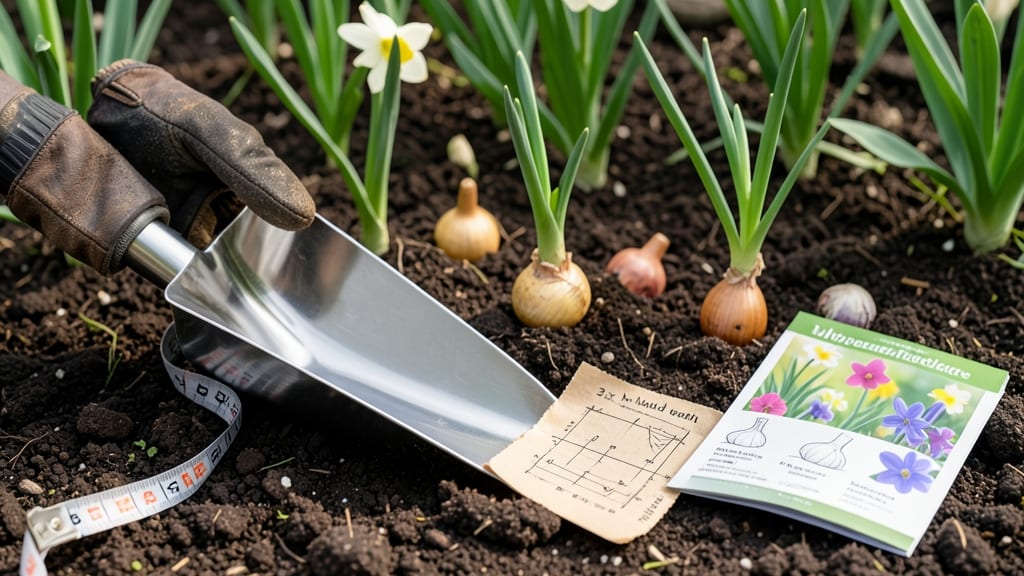
Timing your spring bulb planting perfectly can mean the difference between a garden bursting with color and a season of disappointment. Those 🌷 tulips and daffodils you’ve been dreaming of won’t magically appear—you’ve got to plant them at the right moment, and it’s not just about the calendar.
In USDA Zone 6, where frost still lingers into April, rushing to plant too early can leave bulbs vulnerable to cold soil, while waiting too long risks missing the ideal window. The key isn’t guessing—it’s understanding when the ground warms enough to support root growth, usually around 50°F.
Whether you’re a first-time gardener or a seasoned pro, getting this right ensures your bulbs establish strong roots before the heat of summer arrives. I’ll walk you through the exact timing, soil prep, and even which bulbs can handle a little extra patience if you’ve missed the perfect window.
Let’s dive into how to plant your spring bulbs for perfect blooms—no more waiting for flowers that never come.
Spring bulb planting timeline by soil temperature (not just dates)
Most gardeners focus on calendar dates when planting spring bulbs, but the real secret to success lies in soil temperature. Bulbs like tulips and daffodils need the ground to reach 40-50°F before planting. This ensures roots establish before winter dormancy—critical for vibrant blooms next spring.
In USDA Zone 6, where last frost typically hits around April 15, soil temperatures hit the sweet spot by late March to early April. However, in warmer zones (like Zone 8), you might plant as late as May—but only if the soil stays cool.
Here’s the catch: Planting too early in warm soil can cause bulbs to sprout prematurely, leaving them vulnerable to frost damage. Conversely, planting too late risks stunted root growth, resulting in smaller or no blooms.
🌱
| Zone | Ideal Planting Window | Soil Temp Threshold | Best Bulbs for Late Planting |
|---|---|---|---|
| 3-5 | Late Feb - Early March | 40-45°F | Daffodils, Alliums |
| 6-7 | Late March - Early April | 45-50°F | Tulips, Hyacinths |
| 8-10 | April - May | 50-55°F | Daffodils, Fritillaries |
To test soil temperature, use a soil thermometer buried 4 inches deep—the depth where most bulbs’ roots will grow. If your soil is warmer than 55°F, wait 1-2 weeks or plant in shady spots to delay warming.
For container gardening, soil heats up faster. Opt for larger pots (12+ inches deep) filled with moist potting mix to regulate temperature. Add a layer of mulch (2-3 inches) to insulate bulbs and retain moisture.
Pro tip: If you miss the ideal window, don’t panic! Daffodils and alliums are the most forgiving—plant them up to 6 weeks late and they’ll still bloom. Just ensure the soil isn’t frozen or waterlogged.
🌿
After planting, water deeply to settle soil and encourage root growth. Avoid overwatering, as soggy soil can rot bulbs. A drip irrigation system set to 1 inch per week works best—especially in drought-prone areas.
Finally, mark your planting spots with biodegradable flags to remember where bulbs are buried. This prevents accidental digging in spring when foliage emerges. With the right timing and care, you’ll enjoy bold, healthy blooms that turn heads in your garden.
☀️
Best spring bulbs for late planting: which varieties can still thrive
If you missed the ideal fall planting window, don’t panic! Some spring bulbs are far more forgiving and can still thrive when planted in early spring. The key is choosing the right varieties that tolerate cooler soil temperatures and have flexible timing.
Daffodils (Narcissus) and alliums are your best bets for late planting. These bulbs can handle soil temperatures as low as 40°F and still produce stunning blooms. Even tulips can make it if planted by early spring, though they prefer cooler conditions.
Here’s how to maximize success with late plantings: focus on well-draining soil, proper depth (2-3 times the bulb’s height), and consistent moisture until roots establish. Avoid planting after foliage emerges—this stresses the bulb.
🌱 Top 5 Late-Planting Spring Bulbs
- 1. Daffodils – Thrives in 40-50°F soil, rodent-resistant, and blooms reliably even with late starts.
- 2. Alliums (Ornamental Onions) – Tolerates cooler soil and adds unique spherical blooms to gardens.
- 3. Grape Hyacinths – Compact and adaptable; handles early spring plantings better than tulips.
- 4. Fritillaria (Snake’s Head) – Prefers cool soil and unusual bell-shaped flowers for late-season interest.
- 5. Crocuses – Early bloomers that can be planted in late winter for spring color.
For tulips, stick to early spring planting (March) in warmer zones (USDA 7-10) and prioritize parrot tulips or fosterian hybrids, which are slightly more resilient than classic varieties. Always plant them deeper—6-8 inches—to protect against frost heave.
Pro tip: If your soil is still below 40°F, wait another 2-4 weeks. Use a soil thermometer to check—this is far more accurate than guessing by date. Mulch lightly after planting to retain warmth and moisture.
Remember, late plantings may delay blooming by 2-4 weeks, but with the right bulbs and care, you’ll still get a show-stopping display come spring. Don’t let timing stress stop you from enjoying these cheerful flowers!