
Plants
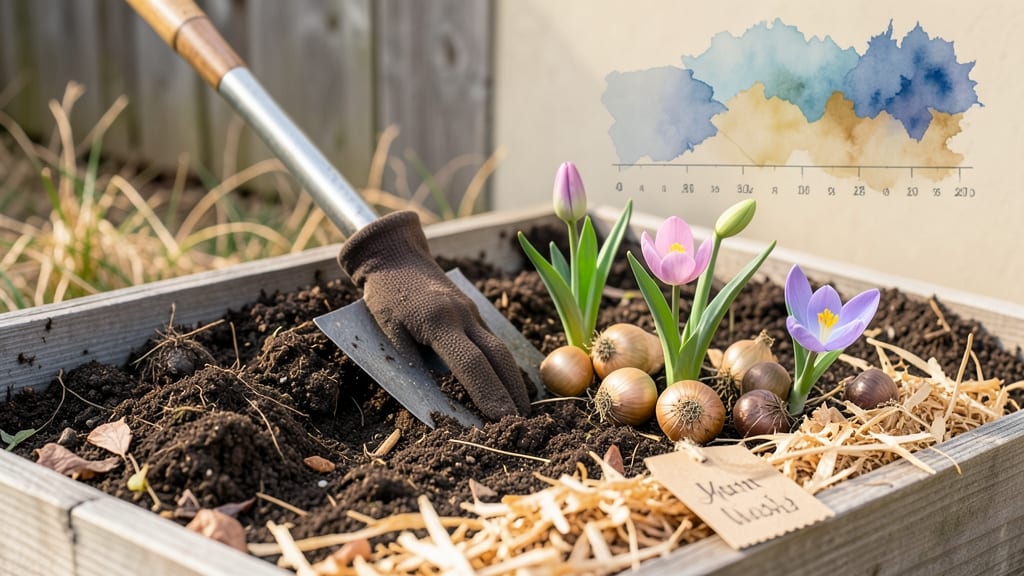
Planting bulbs in Zone 8 at the wrong time means watching your hard work turn to mush before it even sprouts—trust me, I’ve seen it happen. The key isn’t just when you plant, but how you time it with your local microclimate, whether you’re near the coast or inland.
With the right strategy, you can coax vibrant blooms even in this warm climate, but get it wrong, and you’ll be stuck with bare soil come spring.
Most gardeners assume fall is the only option, but Zone 8’s heat actually gives you two chances: a fall window (October–November) for classic varieties like daffodils and tulips, or a backup in early spring (February–March) for heat-lovers like rain lilies.
The trick? Planting 6–8 weeks before your first frost—usually mid-October for most of Zone 8—to let roots establish before winter sets in.
Here’s the game-changer: soil temperature matters more than calendar dates. If your fall stays unseasonably warm, bulbs planted too early can rot. I’ll show you how to adjust for your specific corner of Zone 8, plus the top 5 heat-tolerant bulbs that actually thrive here—no guesswork, just results.
Ready to skip the trial-and-error? Let’s break down the exact timing, soil prep, and pro tips to turn your Zone 8 garden into a spring (or summer!) bloom bonanza—without the stress.

Optimal fall planting windows for Zone 8 bulbs (by type)
In Zone 8, where summers are long and winters are mild, timing your bulb planting is critical. Most bulbs need 6-8 weeks to establish roots before the ground freezes.
For Northern Zone 8 (e.g., parts of California, Tennessee), aim for October planting, while Southern Zone 8 (e.g., Florida, Texas) can extend to early November. Soil temperatures should ideally be 60°F or below to prevent rotting.
Not all bulbs thrive equally in Zone 8’s heat. Daffodils and alliums are top performers, while traditional tulips may struggle unless planted early. Crocuses and hyacinths also adapt well, but their timing varies slightly.
Let’s break down the best planting windows for each type to ensure your bulbs bloom beautifully next spring.
🌱
| Bulb Type | Ideal Planting Month | Soil Temp Requirement | Depth (Inches) | Notes |
|---|---|---|---|---|
| Daffodils (Narcissus) | October - Early November | 60°F or below | 6-8 | Heat-tolerant; blooms early spring |
| Tulips (Tulipa) | September - October | 55°F or below | 6-8 | Plant early; may need shade in summer |
| Alliums (Ornamental Onions) | October - November | 60°F or below | 4-6 | Drought-resistant; great for borders |
| Crocuses (Crocus) | September - October | 50°F or below | 3-4 | Early bloomers; naturalize easily |
| Hyacinths (Hyacinthus) | October - November | 55°F or below | 6-8 | Fragrant; needs well-draining soil |
For Northern Zone 8 gardeners, prioritize planting by late October to avoid winter rains that can cause rot.
In Southern Zone 8, where winters are milder, you can push planting to early November, but monitor soil moisture closely. Daffodils and alliums are my go-to choices for Zone 8—they handle the heat and still deliver stunning blooms.
If your soil stays warm past November 1st, consider planting in early December or even January for spring blooms. Just be sure to use well-draining soil and water sparingly until roots establish. I’ve had great success
Optimal fall planting windows for Zone 8 bulbs (by type)
In Zone 8, the fall planting window for bulbs is shorter than in cooler zones, but timing it right ensures your daffodils, tulips, and alliums thrive.
Most bulbs need 6-8 weeks to establish roots before the first frost, which in Zone 8 typically arrives between December 15 and January 15.
Start planting no later than mid-November in most of Zone 8, but adjust for your specific microclimate—coastal areas may have milder winters and a slightly later window.
For Northern Zone 8 (e.g., parts of California, Nevada), aim for early October to mid-November. In Southern Zone 8 (e.g., Southern California, Arizona), you can push planting until late November, thanks to milder winters.
Always check soil temperatures—they should be below 60°F (15°C) but not frozen. Use a soil thermometer to confirm.
If you’re in a coastal Zone 8 area (e.g., San Francisco, Los Angeles), your soil stays warmer longer. Plant rain lilies or spider lilies in early spring (February-March) instead of fall—they’ll handle the mild winters better.
For inland Zone 8 (e.g., Phoenix, Albuquerque), focus on fall planting and use mulch to protect bulbs from late-season heat spikes.
Pro tip: Test your soil before planting. Zone 8 soils can be alkaline or sandy, which may require adding compost or organic matter to improve drainage and fertility.
Aim for a pH of 6.0-7.0 for most bulbs. If your soil is too alkaline, mix in peat moss or sulfur to adjust it.
Don’t forget to plant bulbs at the correct depth: 6-8 inches deep for most types, with the pointy end up. In sandy soil, you can plant slightly deeper (up to 8-10 inches) to retain moisture.
Space bulbs 3-6 inches apart, depending on their mature size—alliums need more room than crocuses.
Once planted, water deeply to settle the soil and encourage root growth. Mulch with 2-3 inches of straw or shredded leaves to insulate bulbs from temperature swings and retain moisture. In Southern Zone 8, where winters are milder, mulching also prevents bulbs from prematurely sprouting in late winter.