
Plants
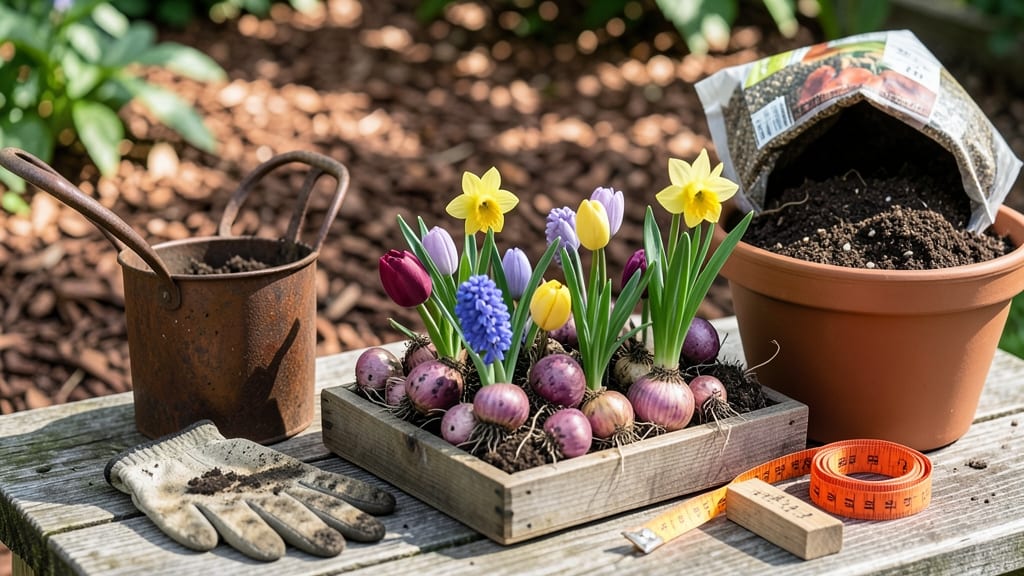
Timing your spring flowering bulbs 🌷 planting in Zone 8a isn't just about throwing them in the ground—it's the difference between vibrant blooms and wasted effort. Plant too early, and frost will turn your hard work into mush; too late, and you might miss the ideal window for root establishment.
I've seen gardeners in 8a struggle with this exact problem, especially when unpredictable frost dates throw off their plans. The key is understanding your local microclimate and working with nature's schedule rather than against it. With the right approach, you can guarantee those cheerful spring blooms every year without guesswork.
What if I told you there's a science-backed schedule that accounts for Zone 8a's unique frost patterns? We're talking about planting times that align perfectly with your last frost date—typically around December 1st—so your bulbs get the head start they need.
Let me show you exactly when to plant for maximum success.
From tulips to daffodils, we'll cover the best months for each type of bulb, plus how to adjust for early or late frost years. You'll learn how to create the perfect conditions for your bulbs to thrive, even in Zone 8a's sometimes tricky climate.
Ready to transform your garden next spring?

Best months to plant spring-blooming bulbs in Zone 8a (with frost-date adjustments)
Zone 8a gardeners have a 6-8 week window to plant spring-blooming bulbs like tulips and daffodils—but timing is everything. The first frost date of December 1st sets your deadline, while soil temperatures below 60°F signal it's time to act.
Plant too early, and bulbs may sprout before winter; too late, and they won’t establish roots for spring blooms.
For reliable results, aim to plant between mid-October and mid-November. This aligns with Zone 8a’s 240 frost-free days, giving bulbs time to root before winter dormancy. Check your local microclimate—valleys freeze earlier than hilltops—by monitoring nearby gardens or using a frost calendar tool.
Here’s the exact schedule based on USDA data for Zone 8a:
| Bulb Type | Planting Window | Depth (inches) | Spacing (inches) | Soil Temp Threshold |
|---|---|---|---|---|
| Tulips | Mid-October to November 15 | 6-8 | 4-6 | Below 60°F |
| Daffodils | Late October to December 1 | 6-8 | 3-5 | Below 55°F |
| Hyacinths | October 15 to November 10 | 6 | 4-5 | Below 60°F |
| Crocuses | September 15 to October 31 | 3-4 | 2-3 | Below 50°F |
Pro tip: Use a soil thermometer to confirm temperatures. If you’re in a warmer microclimate (like near a heat-retaining wall), wait until early November. For cooler pockets, plant by mid-October to avoid early sprouting.
After planting, mulch heavily with 3-4 inches of straw or shredded leaves to insulate bulbs. This protects them from freeze-thaw cycles and keeps soil temperatures stable. Remove mulch in early spring to allow sunlight to trigger blooming.
One common mistake? Planting too shallowly. Tulips and daffodils need 6-8 inches of soil cover to prevent frost heave. Use a bulb planter or your shovel to dig holes deep enough—your fingers should fit snugly around the bulb.
For extended blooms, layer bulbs in 3-week intervals. Plant a third of your tulips in October, another in November, and the final batch in early December. This creates a staggered bloom sequence from late winter through spring.
Remember: Frost dates vary yearly. If you’re unsure, check your local Cooperative Extension Service for updated forecasts. With this schedule, you’ll enjoy vibrant spring blooms without the guesswork.
🌷
When to plant fall-blooming bulbs in Zone 8a (avoid these 3 critical mistakes)
Fall-blooming bulbs like dahlias, cannas, and gladiolas 🌺 need precise timing in Zone 8a to thrive. Unlike their spring counterparts, these beauties require warm soil and specific conditions to develop strong roots before winter.
Plant too early, and you risk rot; too late, and they won’t flower at their best.
In Zone 8a, the ideal window for planting fall-blooming bulbs is late spring through early summer—typically between May and June. This timing ensures bulbs establish roots before the heat of summer slows growth. But there’s more to it than just months—soil temperature and local microclimates play a huge role.
Here’s the critical mistake most Zone 8a gardeners make: ignoring soil temperature. These bulbs need soil that’s at least 60°F (15°C) to start growing. Planting too soon in cooler soil can stunt root development, leading to weak stems and fewer blooms.
| Bulb Type | Best Planting Time | Soil Temp Requirement | Key Mistake to Avoid |
|---|---|---|---|
| Dahlias | Late May - Early June | 60-65°F (15-18°C) | Overwatering after planting |
| Cannas | Early June - Mid-June | 65-70°F (18-21°C) | Planting in cold, wet soil |
| Gladiolas | Mid-May - Late June | 55-60°F (13-15°C) | Planting too deep (corms rot) |
Another common pitfall is planting in low-lying areas where cold air pools. Zone 8a’s mild winters can still bring unexpected chills, especially in valleys or shaded spots.
Choose well-draining, sunny locations to give your bulbs the best chance. For example, my dahlias thrive in raised beds where soil warms faster in spring.
Once planted, mulch lightly with straw or shredded leaves to retain moisture without smothering the soil. Avoid heavy mulch, which can trap too much moisture and lead to rot. Water deeply after planting, then reduce frequency as summer progresses—these bulbs prefer moderate moisture once established.
Pro tip: Mark your planting spots with biodegradable flags so you don’t accidentally dig up your bulbs when prepping the garden for spring. Fall-blooming bulbs are often overlooked, but with the right timing and care, they’ll reward you with stunning summer and fall color 🌺.