
Plants
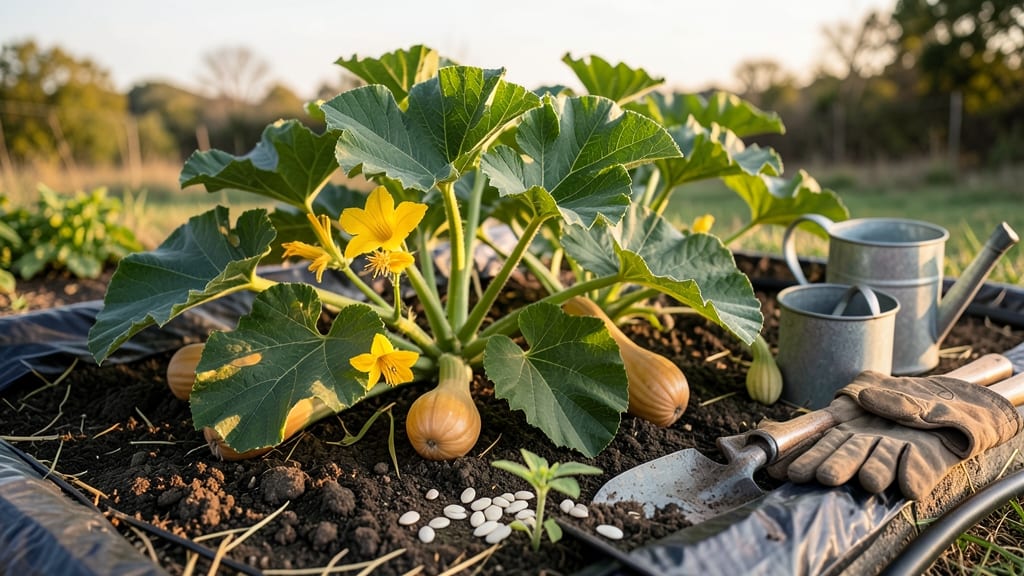
Timing your butternut squash planting in Florida isn’t just about following a calendar—it’s about outsmarting the heat and humidity to get the sweetest harvests. With 9a-11 zones offering year-round warmth, most gardeners miss the two perfect windows when vines thrive instead of wilt under summer’s peak intensity.
Plant too early, and squash bugs move in like uninvited guests; too late, and your harvest might face unexpected chills (yes, even in Florida!). The key lies in those two strategic windows: mid-March to early May for fall harvests, or late July to early September for winter storage.
I’ll break down exactly when to start seeds indoors or direct-sow for maximum success.
What sets Florida apart? Unlike northern climates, you don’t need to worry about frost—just heat stress and soil that stays stubbornly cool. We’ll cover how to prep your soil to hit that 70°F threshold faster, plus which heat-tolerant varieties hold up best when temperatures flirt with 90°F+.
Ready to grow butternut squash that rivals the ones at farmers’ markets? Let’s dive into the month-by-month schedule that’ll have your vines spreading wide and your kitchen stocked with homegrown goodness—without the guesswork.
Optimal butternut squash planting months in Florida by region
Florida’s diverse microclimates mean North, Central, and South regions have slightly different planting windows for butternut squash. Unlike northern states, frost is rarely a concern, but heat tolerance and soil temperatures (ideally 70°F+) drive timing.
Plant too early, and vines wilt in summer’s 90°F+ heat; too late, and harvests shrink before winter’s mild chill.
For North Florida (USDA Zones 8a-9a), focus on spring planting (March–April) to avoid summer’s peak heat. Central Florida (Zones 9a-9b) can stretch planting to late April–early May, while South Florida (Zones 10a-11) thrives with fall plantings (July–August) to escape summer’s intensity.
Always aim for 85–100 days to maturity before winter’s first cool snap.
🌱 Key Takeaway: Florida’s frost-free season lets you grow butternut squash twice yearly—spring and fall—if you adjust for heat. Use black plastic mulch to warm soil faster in cooler months.
In North Florida, where nights dip into the 50s°F in winter, start seeds indoors 4–6 weeks before your target mid-March date. Use grow lights to prevent leggy seedlings.
For Central Florida, direct-sow after April 15 once soil hits 65°F, but watch for squash vine borers, which thrive in heat.
South Floridians should skip spring planting entirely—summer’s 95°F+ days will stress squash vines. Instead, direct-sow in late July for a fall harvest before winter’s mild chill. 🌡️ Pro Tip: Use a soil thermometer to confirm 70°F+ before planting; cool soil delays germination.
For extended harvests, try succession planting in North/Central Florida: Sow half your seeds in March and the rest in early May. This spreads out your October–December harvest window. In South Florida, late July and early September plantings ensure squash matures before winter’s light levels slow growth.
Remember: Butternut squash needs space—3–5 feet per vine—so plan trellises or hill mounds to save garden real estate. 🪴 Design Tip: Train vines up chicken wire trellises to keep fruits off damp soil, reducing rot risk.
If you’re in transition zones (e.g., Orlando’s edges or Tallahassee’s outskirts), err on the earlier side. Cooler pockets can delay soil warming, stalling germination. 🌱 Test Tip: Bury a thermometer in moist soil for 24 hours to check readiness.
Finally, track your local heat waves. Florida’s 100°F+ blasts (common in June–September) can shock squash flowers, leading to poor fruit set.
Optimal butternut squash planting months in Florida by region
Florida’s three distinct climate zones—North, Central, and South—create unique planting windows for butternut squash. In North Florida (Zones 8a-9a), where cooler nights linger, aim for mid-March to early May or late July to early September to avoid summer’s brutal heat.
Central Florida (Zones 9a-9b) enjoys extended growing seasons, so plant from February to April or August to early October. South Florida (Zones 10a-11) can plant year-round, but focus on January-February and July-August for ideal harvests.
Soil temperature is your best indicator—wait until it reaches 60°F+ for seeds or 70°F+ for transplants. Use a soil thermometer to monitor, especially in spring when nights stay cool. In North Florida, frost is rare but possible in January, so prioritize fall plantings for safety.
Central and South Florida gardeners can push spring plantings later (up to May) thanks to milder winters.
Key planting windows by region:
- North Florida: March-April or August-September
- Central Florida: February-April or July-September
- South Florida: January-February or July-August
🌱 Florida Butternut Squash Planting Timeline by Region
| Region | Spring Planting Window | Fall Planting Window | Soil Temp Threshold | Harvest Window |
|---|---|---|---|---|
| North Florida | Mid-March to early May | Late July to early Sept | 60°F+ (seeds), 70°F+ (transplants) | Oct-Dec or Jan-Mar |
| Central Florida | February to April | August to early Oct | 65°F+ (seeds), 75°F+ (transplants) | Sep-Dec or Dec-Feb |
| South Florida | January to February | July to August | 70°F+ year-round | Mar-May or Sep-Nov |
For North Florida gardeners, prioritize fall plantings to escape summer’s heat stress. Plant seeds directly in soil after April 15 for fall crops, as transplants struggle in 90°F+ heat. In Central Florida, spring plantings yield sweeter squash, but fall plantings avoid peak humidity.
South Florida’s year-round growing allows two full harvests—plan for January-February (harvest by May) and July-August (harvest by November).
Use black plastic mulch to warm soil faster in spring, which helps North Florida gardeners extend their season. In Central and South Florida, focus on shade cloth (30-50%) during June-August to protect vines from intense afternoon sun.
Always space plants 3-5 feet apart—butternut squash vines sprawl aggressively, and crowding invites powdery mildew.
Monitor local weather patterns—Florida’s unpredictable summer rains can delay planting. If June brings heavy downpours, wait until July 15 for fall crops. For North Florida, Hurricane Season (June-November) may require row covers to protect young plants.
Adjust your schedule based on 7-day forecasts to avoid planting during storm risks.