
Plants
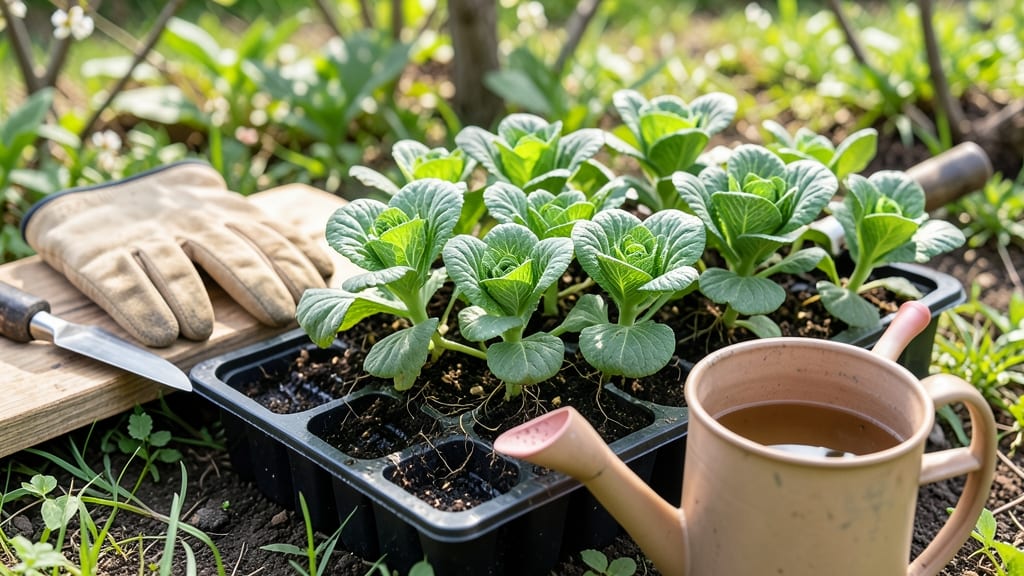
Timing your 🥬 cabbage planting in California isn’t just about following a calendar—it’s about outsmarting the state’s wild swings from coastal breezes to inland heat. Skip the guesswork, and you’ll miss out on crisp, homegrown heads that last all season.
The secret? Planting in the right fall or winter window—when temperatures cooperate and frost risks fade.
Whether you’re in frost-free coastal Zone 10 or the cooler inland valleys of Zone 9, the rules change. Too early, and your cabbage bolts in the heat; too late, and you’re left with limp leaves by harvest time.
I’ll break down the exact months to start seeds or transplant seedlings, so you can dodge common mistakes and enjoy a steady supply of fresh 🥬 cabbage from spring through summer.
Ready to turn your garden into a cabbage powerhouse? Let’s dive into the heat-tolerant varieties that thrive in California’s climate, plus the foolproof planting schedule that’ll have you harvesting like a pro. No more wasted seeds or bitter surprises—just reliable, homegrown success.
From coastal microclimates to desert edges, we’ll cover it all. Grab your gloves, and let’s get those 🥬 cabbage plants in the ground at the perfect moment—because in California, timing really is everything.
California cabbage planting calendar by USDA Zone: frost dates & heat-tolerant windows
California’s diverse climate—from frost-free coastal areas to inland valleys with 100°F+ summers—means cabbage planting isn’t one-size-fits-all. The USDA Zones 7-11 across the state create wildly different deadlines, but one rule applies everywhere: avoid planting when daytime temps exceed 80°F.
For coastal gardeners in Zone 10, that means year-round planting is possible, while inland Zone 9 gardeners must time plantings precisely to escape summer’s wrath.
Your first step? Identify your last frost date. Coastal areas like San Francisco rarely see frost, but inland valleys (think Sacramento or Fresno) typically experience their first frost between November 15–December 15.
Use these dates as your anchor—planting 6–8 weeks before ensures mature heads before heat stress sets in. For example, a Zone 9 inland garden should aim for August–October plantings to harvest by May, while Zone 10 coastal gardens can extend into late fall for winter harvests.
Here’s the critical timeline broken down by zone, including heat-tolerant windows and frost-free deadlines to maximize your harvest:
| Zone & Region | Last Frost Date | Optimal Planting Window | Heat-Tolerant Deadline | Harvest Window |
|---|---|---|---|---|
| Zone 7 (Mountains: Tahoe, Sierra Foothills) | December 15–January 15 | August 1–September 30 | October 15 (before 70°F nights) | March–May |
| Zone 8 (Central Valley: Sacramento, Stockton) | December 1–January 10 | August 15–October 15 | September 30 (before 80°F days) | February–April |
| Zone 9 (Inland: Fresno, Bakersfield) | November 15–December 10 | August 1–September 30 | September 15 (before 85°F) | January–March |
| Zone 10 (Coastal: LA, San Diego, SF) | None (frost-free) | Year-round (best: Aug–Oct & Jan–Feb) | October 31 (for spring harvest) | December–May |
| Zone 11 (Desert: Palm Springs, Coachella) | None (frost-free) | September–October (shade-cloth required) | October 15 (with 30% shade) | January–February |
🌱 Pro Tip: Use shade cloth (30–50%) to extend summer plantings in Zones 9–11 by 2–3 weeks.
For Zone 9 and 10 gardeners, the fall planting window (August–October) is your best bet for crisp heads by spring. Start seeds indoors 6–8 weeks before transplanting—for example, sow by July 15 for an August 30 outdoor move.
Coastal Zone 10 gardeners can also plant in January–February for a summer harvest, but watch for bolting if temps spike above 75°F during flowering.
Inland Zone 7–8 areas face stricter deadlines due to earlier frosts. If you miss the August–September window, consider container gardening with heat-tolerant varieties like ‘Cavalo’ or ‘Golden Acre’—these can handle short summer heat spells if given afternoon shade.
Just remember: no cabbage loves the desert sun, even the toughest varieties.
One common mistake? Assuming “cooler months = safe planting”. While November–February is ideal for most zones, December’s chill (especially in Zone 7) can stunt growth. Aim for 50–60°F daytime temps—any colder, and your cabbage will take forever to mature.
Use row covers to protect young seedlings from unexpected 32°F nights in inland valleys.
For Zone 11 desert gardeners, the challenge is heat + drought. Plant only in late summer (September) with drip irrigation and mulch to retain moisture. Even then, expect smaller heads—prioritize bolting-resistant varieties like ‘Tendercrisp’ and harvest quickly to avoid bitterness.
Finally, soil temperature matters. Cabbage seeds won’t germinate well below 45°F. Use a soil thermometer to confirm your beds are ready—if it’s below 50°F, wait or use a seedling heat mat.
In Zone 9–10, soil can stay warm into October, giving you a second chance for a winter harvest.
🌿 With these zone-specific deadlines, you’ll avoid the #1 cabbage killer in California: summer heat. Next, we’ll dive into the top 5 heat-tolerant varieties that actually thrive in your region’s
Best heat-tolerant cabbage varieties for California’s summer planting
California’s summer heat can turn cabbage into a bolting nightmare—but the right varieties thrive under 90°F+ temperatures. Heat-tolerant hybrids like ‘Cavalo’ and ‘Golden Acre’ resist premature flowering, while ‘Tendercrisp’ delivers sweet, compact heads even in inland valleys. These varieties extend your growing season beyond traditional fall/winter plantings.
For summer planting success, focus on bolting-resistant hybrids that mature quickly (60–80 days). ‘Golden Acre’ stands out with its golden-yellow heads and 30% faster growth than standard green cabbage. ‘Cavalo’ (Italian heirloom) handles heat better than most, while ‘Tendercrisp’ stays crisp even in 105°F conditions.
Heat-Tolerant Cabbage Varieties
| Variety | Heat Tolerance | Days to Maturity | Best Planting Window |
|---|---|---|---|
| Golden Acre | Excellent (95°F+) | 60–70 days | March–May, Sept–Nov |
| Cavalo | Very High (100°F+) | 70–80 days | April–June, Aug–Oct |
| Tendercrisp | High (90°F+) | 55–65 days | Feb–April, Sept–Nov |
If you’re aiming for summer harvests, plant ‘Golden Acre’ in late winter (February) for a May–June crop. For fall harvests, sow ‘Cavalo’ in August to enjoy heads by November–December before coastal fog sets in.
These varieties also handle partial shade better than traditional cabbage, making them ideal for inland areas like the Central Valley.
Pro Tip: Direct-sow seeds in summer (not transplant seedlings) to avoid transplant shock. Heat-stressed seedlings often bolt within 10 days of transplanting. Use shade cloth (30–50%) for the first 2 weeks to ease young plants into hot soil.
For coastal gardeners, extend your season by planting ‘Tendercrisp’ in late summer (August)—its 55-day maturity ensures harvests before December fog slows growth. Inland gardeners should prioritize ‘Cavalo’ for its 100°F tolerance and bolting resistance.
Remember: Soil temperature matters. Cabbage seeds need soil at 45–85°F to germinate. In summer, water soil deeply before planting to cool it down. Mulch with straw or wood chips to maintain even moisture and protect roots from heat stress.