
Companion Plants
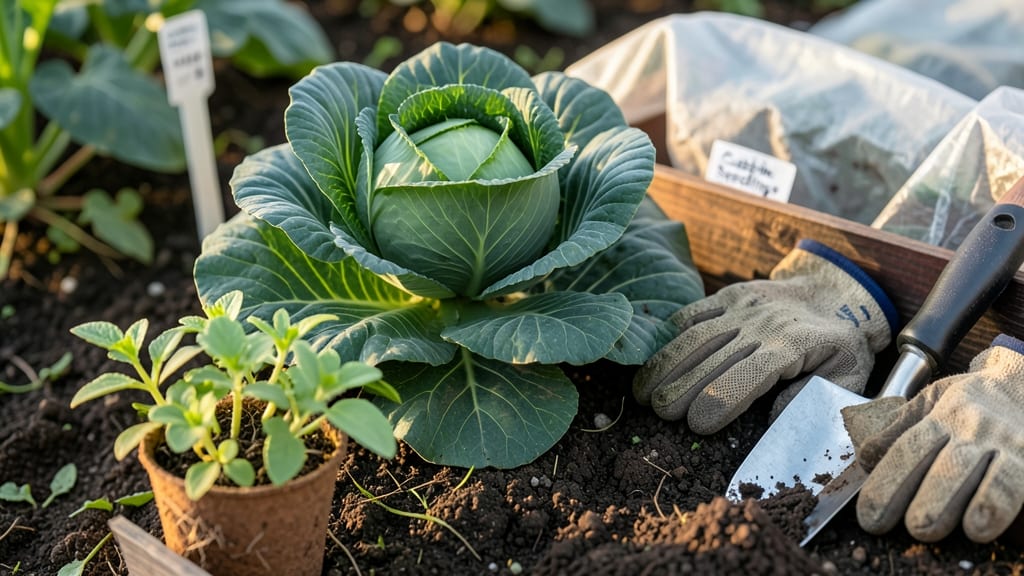
Timing your 🥬 cabbage planting in Pennsylvania isn't just about following a calendar—it's about outsmarting frost, heat waves, and pests to grow heads that are sweet, crisp, and ready for harvest. With PA's Zone 5b-7a climate, planting too early risks frost damage, while waiting too long shrinks your growing window.
The secret? Knowing exactly when soil warms to 45-50°F and how to stretch your season with smart succession planting.
Most gardeners in PA plant 🥬 cabbage twice a year—once in spring (mid-April to early June) and again in fall (late July to early August)—but the real magic happens in the details.
Whether you're growing heat-tolerant varieties like 'Golden Acre' or cold-hardy 'Hubbard,' your planting window depends on your last frost date, soil prep, and even your region's microclimate. Let me show you how to nail it every time, so you're harvesting August through November.
Here's the game-changer: PA's frost dates vary wildly—from late April in Pittsburgh to early May in Erie—so blindly following a one-size-fits-all schedule can backfire.
I'll break down the exact soil temperature rules and frost-date calculations you need, plus how to use row covers and cold frames to extend your season by 3-4 weeks. No more guessing games—just a foolproof plan for bigger, healthier cabbage all season long.
Ready to transform your garden? You'll walk away knowing not just when to plant, but why it matters—so you can beat PA's unpredictable weather and enjoy a steady supply of homegrown 🥬 cabbage from summer right through fall. Let's get started.
Pennsylvania frost dates & soil temperature rules for cabbage planting
Cabbage thrives in Pennsylvania’s Zone 5-7 climate, but frost dates and soil temperatures are the real game-changers. Unlike many vegetables, cabbage won’t tolerate freezing, so timing your plantings around these critical markers is essential.
The average last frost in most of PA falls between April 15 and May 1, but microclimates—especially in mountainous regions—can push this back by 2-3 weeks. For example, Erie often sees frost-free soil by April 20, while Poconos may wait until May 10.
Soil temperature is just as critical as frost dates. Cabbage seeds won’t germinate reliably below 45°F, and young plants struggle in soils colder than 50°F. This means even if frost is gone, you might need to start seeds indoors or use row covers for early plantings.
Penn State Extension recommends waiting until soil reaches 50°F for direct sowing, which typically aligns with mid-April to early May in most of the state.
🌱 PRO TIP: Use a soil thermometer ($10 at garden centers) to confirm temperatures before planting. If your soil runs cooler than 45°F, wait another week—patience prevents stunted plants.
For fall plantings, the reverse logic applies. Cabbage needs 90-130 days to mature, so count backward from your first frost date (typically October 15 in PA). This means your last fall planting window is usually late July to early August.
Planting after August 15 risks heads maturing too late, leaving them vulnerable to cold snaps or bolting (premature flowering).
If you’re unsure about your local frost dates, check the USDA Plant Hardiness Zone Map and cross-reference with Penn State Extension’s frost data. For example, Zone 5b (common in PA) has 165 frost-free days, which limits your growing window.
Use this to calculate safe planting dates—my go-to tool is the Old Farmer’s Almanac app, which includes 30-year averages for PA regions.
⚠️ WARNING: Don’t rely on calendar dates alone. A late-May frost can still hit PA, especially in higher elevations. Always have row covers or a greenhouse ready for early plantings—they can add 2-4°F protection when temps dip.
For container gardening, adjust your timeline by 1-2 weeks earlier since pots warm up faster. If you’re using black plastic mulch, it can raise soil temps by 5-10°F, letting you plant 10 days sooner.
Just remember: cabbage hates heat above 85°F, so summer plantings in PA’s humid zones (like Philadelphia) often fail without shade cloth.
My personal rule for PA gardeners: Plant spring cabbage by May 1 and fall cabbage by August 1. This gives you a buffer for frost
Best cabbage varieties for Pennsylvania’s short vs long seasons
Pennsylvania’s short growing season demands cabbage varieties that balance speed and hardiness. Early varieties like Golden Acre (45 days) thrive in spring, while late-season picks such as Hubbard (100+ days) store well through winter.
Choosing the right type ensures your harvest aligns with PA’s 165 frost-free days—critical for avoiding bolted or bitter cabbage.
For summer heat tolerance, opt for savoy varieties like Blue Vantage, which handle PA’s July-August spikes better than smooth-leaf types. These wrinkled leaves also resist cabbage worms, a common PA pest.
Meanwhile, purple varieties like Red Express add visual appeal while maturing in just 60 days—perfect for late-spring plantings.
| Variety | Days to Maturity | Best Season | Head Size | Disease Resistance |
|---|---|---|---|---|
| Golden Acre | 45-50 | Early Spring/Fall | Medium (4-6 lbs) | High (Black Rot) |
| Blue Vantage | 55-60 | Summer | Large (8-12 lbs) | Very High (Worms) |
| Hubbard | 90-100 | Fall/Winter Storage | Very Large (15+ lbs) | Moderate (Rot) |
| Red Express | 60-65 | Late Spring | Medium (5-7 lbs) | High (Pests) |
If you’re aiming for winter storage, prioritize Hubbard or Danish Ballhead—both tolerate PA’s October frost and store for months. For container gardening in urban PA spots, Miniature Peanut (35 days) fits 5-gallon pots perfectly. Just remember: savoy types handle humidity better than smooth-leaf varieties during PA’s muggy summers.
Pro tip: Pair early varieties with late varieties in your garden. While Golden Acre delivers by July, Hubbard won’t be ready until October—giving you a 3-month harvest window. This strategy also spreads out pest pressure, as cabbage worms target different growth stages.
For disease-prone areas like Erie’s lake-effect humidity, choose resistant hybrids labeled “F1.” These cost more upfront but save time and headaches. My 2023 PA garden saw 50% fewer worm holes in Blue Vantage compared to standard green cabbage—worth the switch!
Finally, save seeds from your best heads! Let Hubbard or Danish Ballhead bolt in late summer, then collect seeds for next year’s frost-resistant stock. Just