
Plants
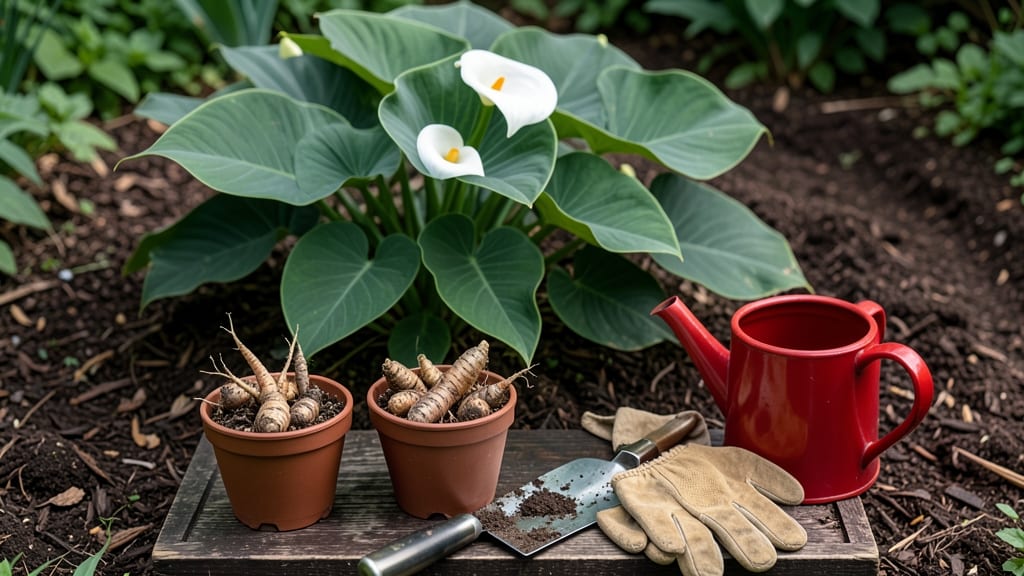
Timing your calla lily 🌸 planting in Zone 5 can mean the difference between showstopping summer blooms and wasted effort.
Planting too early risks frost damage, while waiting too long might cut your flowering season short—both mistakes are easy to make if you're not familiar with the frost-resistant timeline for this zone.
In Zone 5, where last frosts typically linger until mid-May, patience is key. Calla lilies thrive when planted after the soil warms to 60°F, usually landing you in late spring to early summer.
This window ensures your rhizomes establish strong roots before summer heat arrives, setting the stage for 60-90 days of dramatic blooms.
What makes this timing even more critical is how Zone 5's short growing season demands precision. Whether you're treating them as annuals or pushing them to return next year, proper planting timing is the game-changer that keeps your garden looking lush from mid-summer through fall.
Let me walk you through exactly when to plant, how to protect against late frosts, and the simple care routine that keeps your calla lilies flourishing—no guesswork required. Your garden's boldest statement starts with the right timing.

Optimal planting windows for calla lilies in Zone 5: month-by-month guide
Zone 5’s short growing season and unpredictable frosts make timing critical for calla lilies. Planting too early risks frost damage, while waiting too long cuts bloom time.
The ideal window is after your last frost date (typically mid-May), when soil warms to 60°F—usually late May to early June.
Calla lilies grow from rhizomes, not seeds, so timing matters. In Zone 5, they’re often grown as annuals (digging up rhizomes in fall) or tender perennials (with winter protection). For best results, aim to plant 4-6 weeks before your first frost to ensure blooms before cold sets in.
Soil temperature is your best guide—use a soil thermometer to confirm 60°F+ before planting. In cooler microclimates (like Zone 5a), wait until early June. Warmer areas (Zone 5b) can plant as early as late May.
| Month | Soil Temp | Planting Window | Notes |
|---|---|---|---|
| Late May | 55-60°F | Zone 5b only | Risk of late frost; use row covers |
| Early June | 60°F+ | Zone 5a-5b | Optimal for all sub-zones |
| Mid-June | 65°F+ | Safe for all | Best for late bloomers |
| Late August | 60°F+ | Fall planting | For overwintering (Zone 5b only) |
For fall planting (to overwinter rhizomes), aim for late August in Zone 5b. Plant rhizomes 3-4 inches deep in well-draining soil, then mulch heavily with straw or leaves (4-6 inches). This protects roots from freezing temperatures and allows regrowth in spring.
In containers, plant calla lilies 2-3 weeks earlier than in-ground. Containers warm faster and can be moved to sheltered spots if frost threatens. Use black pots to absorb heat and terracotta for better drainage—critical in Zone 5’s wet springs.
Watch for false springs—those warm spells in April that trick you into planting early. Calla lilies won’t survive if frost hits after sprouting. Use frost cloth or a mini greenhouse if you must plant early, but remove it by June 1 to prevent fungal diseases from trapped moisture.
After planting, water deeply to settle soil and encourage root growth. Keep soil moist but not soggy—calla lilies hate waterlogged roots. In Zone 5’s humid summers, water in the morning to reduce fungal risks.
Avoid overhead watering to prevent spotted leaves, a common issue in damp climates.
Blooms typically appear 60-90 days after planting, so June plantings yield late summer flowers. For early blooms, start rhizomes indoors in April under grow lights, then transplant after last frost. This 2-step method extends your bloom season by 3-4 weeks.
Remember: Zone 5’s short season demands precision. Plant too early? Frost kills new growth. Plant too late? Fewer blooms. Stick to the June window, and you’ll enjoy bold, drama-filled calla lilies all summer long. 🌸
Optimal planting windows for calla lilies in Zone 5: month-by-month guide
In Zone 5, timing is everything for calla lilies—plant too early, and frost will kill them; too late, and you’ll miss summer blooms. The sweet spot is after your last frost date, typically mid-May, but soil temperature matters more than calendar dates.
Aim for 60°F soil, which usually aligns with late May to early June in most of Zone 5.
Calla lilies thrive as summer annuals in Zone 5, meaning they’ll die back with frost but can be replanted yearly. For best results, focus on rhizome planting (not tubers) since they handle Zone 5’s humidity better.
Start by prepping your soil with compost and perlite to improve drainage—calla lilies hate soggy roots.
| Month | Planting Window | Soil Temp | Frost Risk | Notes |
|---|---|---|---|---|
| May | Late May (after last frost) | 60°F+ | Low | Ideal for early blooms; mulch heavily |
| June | Entire month | 65°F+ | None | Best success rate; full growth season |
| July | Early July (cutoff) | 60°F+ | Low (late frosts rare) | Late blooms possible; monitor watering |
| August | Not recommended | N/A | High (early frost) | Too late for strong roots; risk of winter kill |
For Zone 5b (warmer microclimates like urban areas), you can push planting to early June safely. Check your local USDA frost maps—some years, late May frosts linger, so have a row cover ready.
If you’re in Zone 5a, err on the side of caution and wait until early June.
Pro tip: Plant calla lilies in containers if your garden has poor drainage. This gives you flexibility to move them indoors before frost. Use a lightweight potting mix with perlite to prevent root rot—a common killer in Zone 5’s humid summers.
After planting, keep soil consistently moist but never waterlogged. In July and August, water deeply 2-3 times per week to encourage those dramatic calla lily blooms. Mulch with straw or shredded leaves to retain moisture and regulate soil temperature.
Remember, calla lilies in Zone 5 are annuals, so dig up rhizomes in fall before frost and store them in dry peat moss for next year’s garden. This simple step saves you money and ensures you always have fresh plants ready for late spring planting.