
Plants
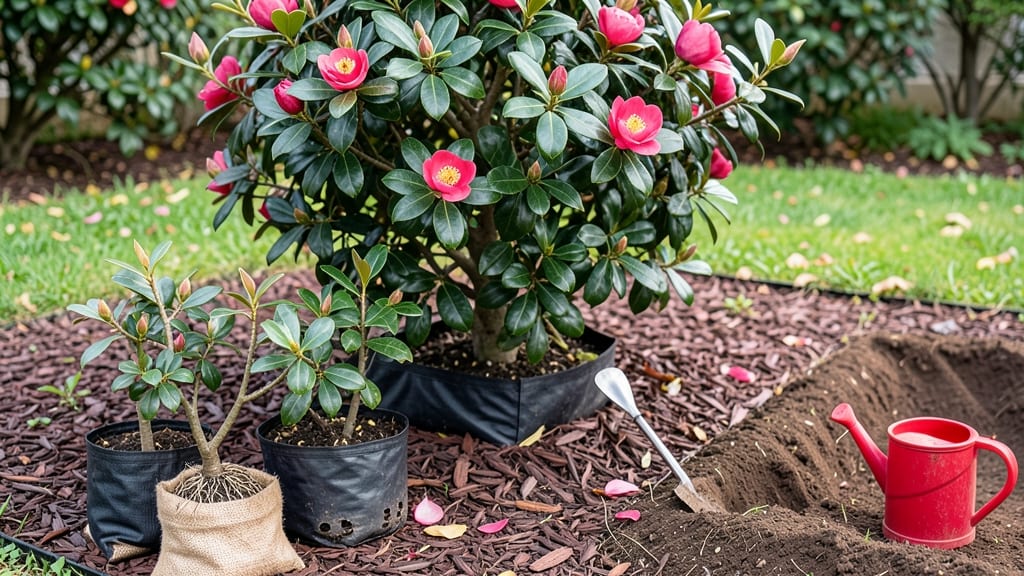
Planting your 🌸 camellia at the wrong time in Zone 9 could mean the difference between a thriving shrub and one that struggles to take root.
The key to success isn’t just picking a season—it’s timing it perfectly in fall when the soil is still warm but the air starts cooling.
As a Zone 9 gardener, you know the stakes: too early, and your camellia might dry out; too late, and frost (or lack of root establishment) could spell disaster.
But here’s the good news—with the right fall window, you can give your camellia the best shot at establishing strong roots before winter sets in.
I’ll walk you through exactly when to plant—down to the week—and how to prep your soil, choose the right spot, and care for your new shrub so it blooms beautifully year after year. Let’s get those roots growing the right way.
From coastal microclimates to inland heat pockets, we’ll cover the nuances that make Zone 9 unique. By the end, you’ll know not just when to plant, but how to set your camellia up for a lifetime of stunning flowers. Ready to dig in?

Optimal fall planting window for camellias in Zone 9
Camellias thrive in Zone 9's mild winters, but timing is everything for root establishment. The ideal window spans 6-8 weeks—from late October to mid-December. This gives roots time to settle before cooler temperatures arrive, reducing transplant shock.
In coastal areas, where winters are even milder, you can extend planting into early January. However, inland Zone 9 regions with cooler nights should aim for November planting to avoid potential cold snaps.
Soil temperature is your best guide: aim for 60-65°F at planting time. Use a soil thermometer to check—this ensures roots won’t struggle in cooler ground. Wait until nighttime lows stay above 45°F to prevent frost damage.
Camellias planted in this window establish stronger root systems before winter, leading to healthier blooms next season. The key is balancing root growth with dormancy preparation—too early, and roots may overgrow; too late, and they won’t harden off properly.
🌸
| Timeframe | Soil Temp | Night Temps | Root Goal |
|---|---|---|---|
| Late October | 60-65°F | 50-55°F | Initial root spread |
| November | 55-60°F | 45-50°F | Deep root establishment |
| Mid-December | 50-55°F | 40-45°F | Winter hardening |
🌱 Pro Tip: Coastal Zone 9 gardeners can extend to early January
Microclimates play a huge role in Zone 9 camellia success. If you’re near mountains or valleys, cooler air pools at night, so plant earlier in October. Meanwhile, urban heat islands can delay planting until November—just watch for sudden temperature drops.
For container-grown camellias, the window narrows to November-December since potted roots dry out faster in cooler weather. Always check the root ball before planting—it should be slightly moist but not soggy.
After planting, focus on deep watering (1-2 gallons per plant) to encourage root expansion. Mulch heavily with 3-4 inches of organic mulch to insulate roots and retain moisture during Zone 9's dry winters.
By following this 6-8 week window, your camellias will bloom beautifully year-round, from fall's first flowers to spring's vibrant displays. The secret? Patience and precise timing—just like a Zone 9 gardener's favorite!
☀️
Optimal fall planting window for camellias in Zone 9
Timing your camellia planting in Zone 9 hinges on a 6-8 week window that balances warm soil and cooling air. The ideal timeframe spans from late October through mid-December, when daytime highs hover between 70°F and 80°F and nights dip into the 50s.
This window lets roots establish before winter dormancy kicks in.
Why fall? Camellias thrive when planted while still actively growing but before the first frost (which Zone 9 rarely sees, but cooler temps signal dormancy). The goal is to give roots 4-6 weeks to settle before the ground cools below 60°F, stalling growth.
Think of it as a race against the clock—too early, and roots dry out; too late, and they struggle to adapt.
Here’s the golden rule: Aim for soil temperatures between 60°F and 70°F. Use a soil thermometer to check—if it’s warmer, wait a week or two.
Coastal areas (like San Diego or Santa Barbara) can plant 1-2 weeks later than inland spots (e.g., Phoenix or Las Vegas) due to milder microclimates.
🌱 Zone 9 Camellia Planting Timeline
| Stage | Action | Soil Temp | Notes |
|---|---|---|---|
| Late October | Prepare soil; prune dead branches | 65°F+ | Test pH (aim for 5.0-6.0) |
| November | Plant camellias (peak window) | 60°F-70°F | Water deeply after planting |
| Mid-December | Apply mulch; reduce watering | 55°F-60°F | Protect from cold snaps |
⏰ Pro Tip: Plant on a cloudy day to reduce transplant shock.
If you’re in a coastal Zone 9 area, you might extend planting into early January, but inland gardeners should wrap up by mid-December.
The key is to avoid the holiday rush—nurseries often sell bare-root camellias in late fall, and planting them in January or February risks dormancy stress. Prioritize root establishment over convenience!
One common misconception is that Zone 9’s mild winters mean camellias can be planted anytime. But even in our frost-free zone, cooler temps slow growth, and roots need time to acclimate.
Think of fall planting as giving your camellia a head start—by next spring, it’ll be bursting with blooms instead of struggling to catch up.
For container-grown camellias, the window narrows slightly—plant by mid-November to ensure roots adjust before winter. Containers dry out faster, so monitor soil moisture closely. And remember: acidic soil (pH 5.0-6.0) is non-negotiable—camellias refuse to thrive in alkaline conditions. Test your soil now to avoid last-minute scrambling!