
Plants
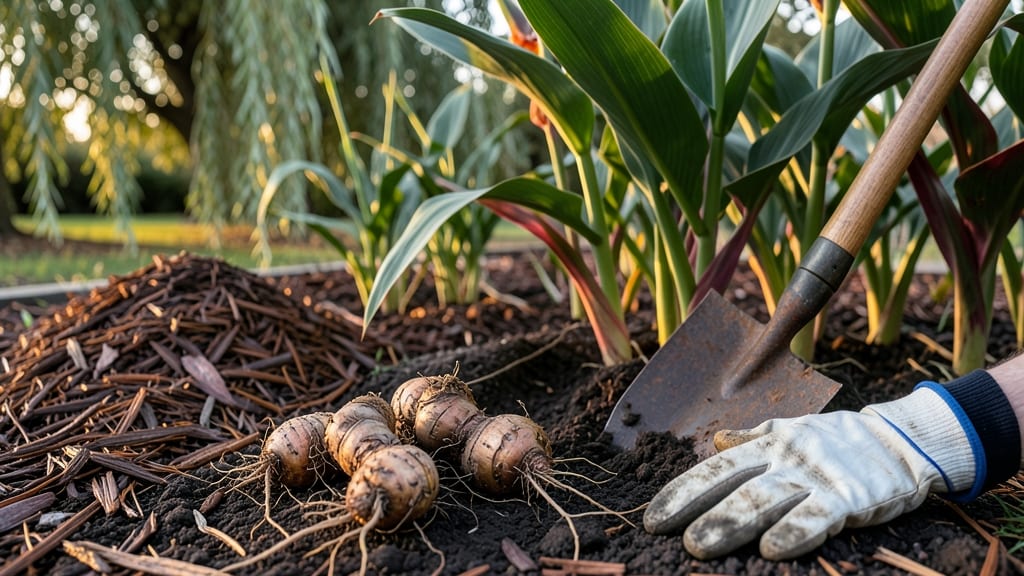
Timing your Canna Lily 🌺 planting in Ontario can make the difference between a stunning summer display and a sad, frost-nipped failure. These tropical stunners demand warmth, and getting them in the ground too soon risks a chilly surprise—while waiting too long might mean missing their bold blooms entirely.
Most Ontario gardeners know the drill: wait until after the last frost, but there’s more to it than just checking the calendar.
Soil temperature matters just as much as air temperature, and in zones 5a-6b, that means playing the waiting game until the ground hits a toasty 60°F (15°C)—usually late May or early June.
Here’s the good news: with the right prep, you can coax these 3-7 ft giants to thrive even in our shorter growing seasons. I’ll walk you through exactly when to plant in your specific region, how to protect them from late frosts, and which varieties handle Ontario’s climate best.
Ready to turn your garden into a tropical paradise? Let’s dive into the perfect frost-free timeline for planting Canna Lilies that’ll wow your neighbors from August right through fall.
Ontario’s frost-free timeline for planting canna lilies
Canna lilies (🌺) are tropical showstoppers that demand precise timing in Ontario’s unpredictable climate. Unlike hardy perennials, they treat frost like a death sentence—so planting too early risks losing your investment.
The key is waiting until after the last frost when soil temperatures hit 60°F (15°C) consistently. This usually falls between mid-May and early June, but exact dates vary by region.
Ontario spans USDA zones 5a to 6b, meaning frost dates shift dramatically from London’s Zone 6b (earlier planting) to Ottawa’s Zone 5a (later). Southern Ontario gardeners can plant as early as late May, while Northern Ontario may need to wait until early June.
Always check your local frost-free date—Environment Canada’s historical data is your best friend here.
Here’s the critical window: plant canna lilies 2–3 weeks after your last frost date, once nighttime temperatures stay above 50°F (10°C). This gives young tubers time to establish roots before summer heat arrives.
Pro tip: Use a soil thermometer—if your garden stays below 60°F (15°C), wait a few more days.
For gardeners in Zone 5a (Ottawa, North Bay), consider starting tubers indoors in early April under grow lights. Transplant outdoors only after Memorial Day weekend when frost risk drops. In Zone 6b (London, Niagara), you can plant directly in late May—just monitor weather forecasts for late surprises.
Black plastic mulch or cloches can extend your planting window by 1–2 weeks in cooler regions. Lay mulch down 2 weeks before planting to warm the soil faster. This trick is a game-changer for Northern Ontario, where short summers demand every extra day of growth.
Remember: Canna lilies are not frost-tolerant at any stage. Even young shoots can’t survive temperatures below 45°F (7°C). If a late frost sneaks in, cover plants with frost blankets immediately. Better safe than sorry—these beauties are worth protecting!
| Region | USDA Zone | Avg. Last Frost | Ideal Planting Window | Soil Temp. Goal |
|---|---|---|---|---|
| Southern Ontario (London, Niagara) | 6a-6b | Mid-May | Late May - Early June | 60°F (15°C) |
| Central Ontario (Toronto, Hamilton) | 5b-6a | Late May | Early June | 60°F (15°C) |
| Northern Ontario (Ottawa, North Bay) | 5a | Early June | Mid-June | 60°F (15°C) |
Missed the window? No problem! Canna lilies can be planted as late as early July in Southern Ontario, though they may bloom later. For Northern Ontario, stick to mid-June—delaying risks stunted growth before frost.
If you’re unsure, opt for container gardening: pots let you move plants indoors before frost hits.
Once planted, prioritize well-draining soil and full sun (6+ hours daily). Amend clay soil with compost to prevent waterlogging—canna lilies hate soggy roots. Mulch with straw or shredded leaves to retain moisture and regulate soil temperature.
With the right timing, your canna lilies will reward you with dramatic blooms from August through October!
Pro tip: Mark your calendar for October 15th—this is when most of Ontario sees its first frost. Start digging up tubers 2 weeks before to overwinter them indoors. Store in a cool, dry place (like a paper bag with peat moss) until spring replanting.
How to prepare canna lily tubers for Ontario’s short growing season
Preparing canna lily tubers is your first step to success in Ontario’s cool, short growing season. Since these tropical plants need warmth to thrive, soaking tubers before planting jumpstarts growth. Start this process 6-8 weeks before your last frost date—typically mid-April to early May for most Ontario regions.
Choose a well-draining potting mix (equal parts peat moss, perlite, and compost) to prevent rot. Place tubers in a shallow container, covering them with 1-2 inches of water.
Keep them in a warm spot (70°F/21°C), like near a sunny window or under grow lights, until sprouts emerge (3-4 weeks).
- Step 1: Soak tubers in water for 24 hours
- Step 2: Plant in warm, moist mix (70°F/21°C)
- Step 3: Harden off sprouts for 1 week
- Step 4: Transplant after last frost
Once sprouts reach 3-4 inches tall, it’s time to harden them off. Move containers outdoors for 2-3 hours daily, gradually increasing exposure over 7-10 days. This toughens young shoots to handle Ontario’s unpredictable late frosts.
For extra protection, consider planting in containers or raised beds. These allow you to move plants indoors if frost threatens or extend the season with row covers. Choose containers with drainage holes and fill them with light, airy soil to mimic tropical conditions.
After hardening, plant tubers 2-3 inches deep in well-draining soil, spacing them 12-18 inches apart. Mulch with 2-3 inches of straw or shredded leaves to retain moisture and insulate roots from late spring frosts.
Pro tip: Mark your calendar for June 1-15 as your ideal planting window in most of Ontario. This ensures 60°F (15°C) soil temps and 120+ frost-free days for full blooms by summer’s end.