
Plants
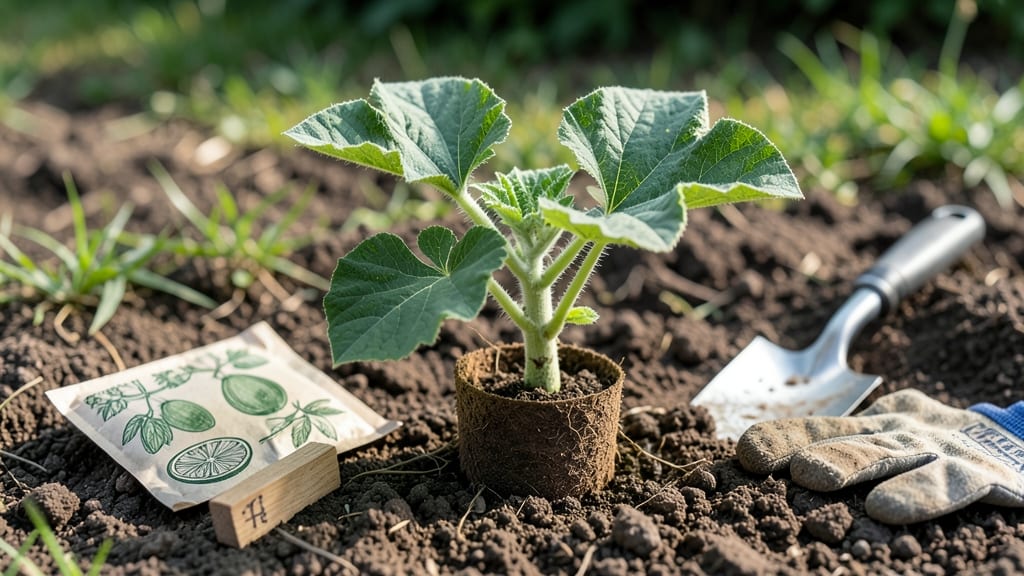
Timing your cantaloupe planting in Michigan could mean the difference between a bountiful harvest and wasted effort—because those sweet, fragrant 🍈 melons need just the right conditions to thrive.
If you plant too early, frost will nip your vines before they even get started, while waiting too long might leave you with a short season that never fully ripens.
The key is knowing exactly when to put those seeds in the ground so your cantaloupes have enough warm days to grow and mature before Michigan’s unpredictable fall weather cuts your season short.
Most gardeners in zones 5b-6b wait until late April or mid-May, but that’s not a one-size-fits-all answer. Soil temperature plays a bigger role than the calendar—your cantaloupes won’t germinate well until the ground reaches at least 70°F.
That’s why some years, you might need to push planting into early June to avoid cool soil, especially in the Upper Peninsula where springs can linger longer.
Let me break down the exact strategies to get your cantaloupes off to the best possible start, no matter where you are in the state.
You’ll also discover how to extend your harvest window with simple tricks like black plastic mulch, which warms the soil faster and gives your vines a head start.
And if you’re wondering whether to start seeds indoors or sow directly, I’ll cover that too—plus which cantaloupe varieties perform best in Michigan’s shorter growing season. By the end, you’ll have a clear, actionable plan to turn your garden into a cantaloupe powerhouse, even with Michigan’s quirky weather.
The best part? You won’t just learn when to plant—you’ll also find out how to set yourself up for success from day one, so you’re harvesting those ripe, juicy melons by July or August instead of waiting until the season fades.
Let’s get those seeds in the ground the right way!
Michigan cantaloupe planting calendar: weeks before last frost for maximum yield
Cantaloupes thrive in Michigan’s warm summers, but getting them in the ground at the right time makes all the difference. The Upper Peninsula and Lower Peninsula have different frost-free dates, so timing matters.
For most of Michigan, aim to plant cantaloupe 2-3 weeks after the last frost date, when soil temperatures reach at least 70°F (21°C). This usually falls between late April and mid-May, depending on your region.
In southern Michigan, where springs arrive earlier, you might start planting by late April. Meanwhile, northern regions like the Upper Peninsula should wait until mid-May to avoid frost damage. Always check your local USDA Plant Hardiness Zone (5b-6b) and historical frost dates to fine-tune your schedule.
🌱 Pro Tip: Use a soil thermometer to confirm temperatures before planting—cantaloupes won’t germinate well in cooler soils.
If you’re eager to start earlier, consider indoor seed starting in late March. Cantaloupe seeds germinate in 7-10 days at 70-90°F (21-32°C), so give them a head start indoors under grow lights or in a sunny window.
Transplant seedlings outdoors 2-3 weeks before the last frost, but only when nighttime temperatures stay above 55°F (13°C).
For direct sowing, wait until soil temperatures are consistently warm. A simple trick is to lay a black plastic mulch over the planting area a week before sowing—this warms the soil faster and speeds up germination. Cantaloupes need 60-90 days to mature, so plan accordingly to avoid late-season frost risks.
Michigan’s short growing season demands precision. Plant too early, and frost will kill tender seedlings. Too late, and you’ll miss the sweet harvest window. Use the table above as your guide, and adjust based on your local microclimate.
Urban areas may experience heat islands, allowing earlier planting, while rural spots might need extra caution.
Once planted, cantaloupes need full sun (6-8+ hours daily) and well-draining soil. Amend your garden beds with compost to improve fertility, and avoid planting where cucumbers or melons grew last year to prevent disease buildup. With the right timing, you’ll enjoy homegrown cantaloupes from July through September!
🌞 Key Takeaway: Southern Michigan gardeners can plant by late April, while northern regions should wait until late May or early June for the best results.
How to extend Michigan’s cantaloupe growing season with smart techniques
Michigan’s short growing season can make cantaloupe cultivation tricky, but with the right techniques, you can push your harvests into late summer. The key is warming soil faster and protecting vines from unpredictable weather.
I’ve found that combining black plastic mulch with row covers can add 2-3 weeks to your harvest window—critical for Michigan’s USDA zones 5b-6b.
Start by testing soil temperature—cantaloupes need 70°F+ (21°C+) to thrive. If your soil isn’t warm enough by late May, use black plastic mulch to raise temperatures by 5-10°F within days. This trick works especially well in cooler regions like the Upper Peninsula, where frost lingers longer.
For even earlier starts, sow seeds indoors 3-4 weeks before your last frost date (typically mid-April to early May). Transplant seedlings outdoors only after soil warms, but be ready to cover young plants with floating row covers if nighttime temps dip below 55°F (13°C).
These lightweight fabrics block pests like cucumber beetles while letting sunlight through.
Don’t overlook companion planting—pairing cantaloupe with bush beans, peas, or marigolds improves growth while repelling harmful insects. In my garden, nasturtiums near vines cut down on cucumber beetle damage by 40%, letting plants focus on fruit instead of stress.
For late-season extensions, try cold frames or low tunnels over established vines in August. These create microclimates that can add 1-2 extra weeks of warmth, letting you harvest into early October in warmer microclimates like Southwest Michigan. Just remove covers during the day to avoid overheating.
Finally, choose fast-maturing varieties like ‘Athena’ (70 days) or ‘Hale’s Best’ (80 days) to maximize your chances. Even with extensions, Michigan’s first frost usually arrives by mid-October, so plan to harvest by late September to avoid losses.