
Plants
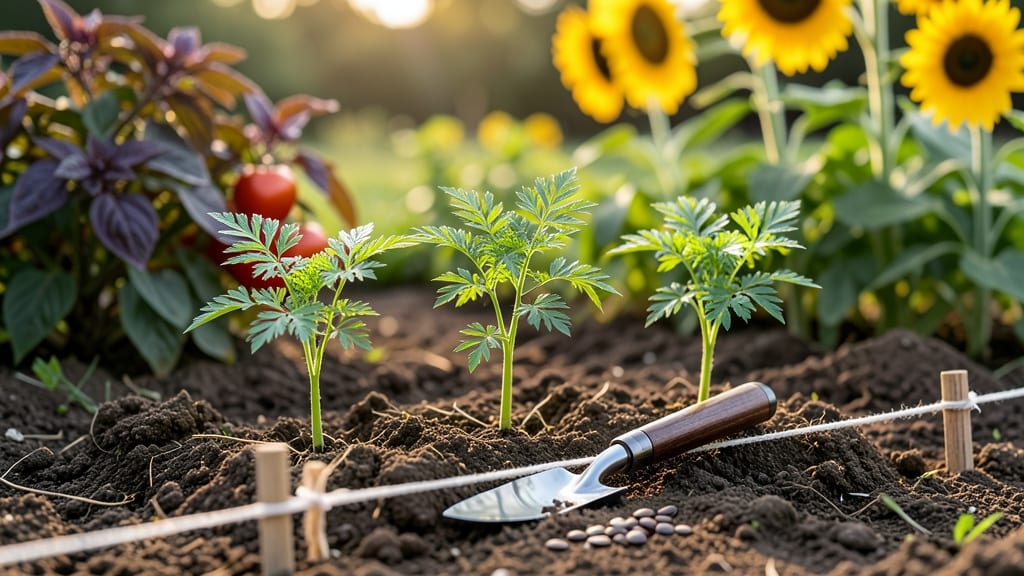
Timing your 🥕 carrot planting in Connecticut isn’t just about the calendar—it’s about beating the frost, avoiding rocky soil surprises, and ensuring those crisp roots reach maturity before the first chill sets in.
With Connecticut’s USDA Zone 6a climate, you’ve got just two narrow windows to plant: March 20–April 30 for spring and July 15–August 15 for fall. Miss the mark, and you might end up with bitter, stunted carrots—or worse, no harvest at all.
But here’s the good news: I’ll walk you through the exact frost-free window, soil prep secrets, and even how to stretch your harvest with succession planting so you’re feasting on fresh carrots from June through November.
Ready to turn your garden into a carrot goldmine? Let’s dive into the step-by-step guide that’ll have you harvesting like a pro—no guesswork required.
Connecticut carrot planting calendar: frost dates & soil temperature guide
Timing your carrot planting in Connecticut is all about beating the last frost and avoiding summer’s bolting risks. The state’s USDA Zone 6a climate means your frost-free window is typically April 15–May 15 for spring plantings, with a second chance in July–August for fall harvests.
Soil temperature is just as critical as air temperature—carrot seeds need 50–60°F soil to sprout reliably. Warmer soils (70°F+) speed up germination but can lead to forked roots if conditions fluctuate. Test your soil with a soil thermometer before planting to avoid surprises.
Connecticut’s microclimates add another layer of complexity. Coastal areas like New London or Groton may see earlier last frosts (as early as April 1), while inland regions like Hartford or Waterbury often hold frost until May 1.
Adjust your planting dates accordingly—coastal gardeners can start 2–3 weeks earlier.
Here’s your Connecticut carrot planting timeline broken down by key stages, including soil prep, frost probabilities, and ideal planting windows for both spring and fall crops.
Pro tip: Use succession planting every 2 weeks in spring and fall to ensure a continuous harvest. For example, sow a new batch on April 15, May 1, and May 15 for staggered maturity.
If you’re planting in containers, start seeds indoors 4–6 weeks before the last frost. Containers dry out faster, so check soil moisture daily in summer. A 5-gallon pot can support 3–4 carrot plants if spaced properly.
Remember: Carrots are cool-season crops, so avoid planting when soil temps exceed 85°F. In Connecticut, that means skipping June plantings entirely—your summer heat will trigger bolting (flowering) before roots mature.
For a foolproof approach, mark your calendar with these CT-specific dates:
- April 15: Last frost (coastal)
- May 1: Last frost (inland)
- July 15: Ideal fall planting start
- October 15: First frost (inland)
Best carrot varieties for Connecticut gardens & their planting times
Choosing the right carrot varieties for Connecticut’s humid summers and cool springs can make the difference between a bountiful harvest and a disappointing one. The key is selecting varieties that thrive in USDA Zone 6a, resist disease pressure, and mature quickly enough to avoid frost.
My top picks? Danvers, Nantes, and Chantenay—each with its own superpowers for CT gardens.
Danvers carrots, for example, are the workhorse of the garden—tolerant of rocky soil (a common CT issue) and ready to harvest in just 60–70 days. They’re perfect for early spring plantings (March–April) when soil temps hover around 50–60°F.
If you’re aiming for a fall harvest, try planting them in mid-July to beat the first frost in October.
For those who love long, tapered roots, Nantes varieties are a game-changer. They take a little longer to mature (70–80 days), so they’re best suited for late spring plantings (April–May) or early summer (June).
Their thin shape makes them ideal for container gardening or tight spaces, and they hold up well in CT’s high humidity.
| Variety | Best Planting Window | Days to Maturity | CT-Specific Notes |
|---|---|---|---|
| Danvers | March 20–April 30 (spring) / July 15–Aug 15 (fall) | 60–70 days | Rocky soil tolerant; great for early harvests |
| Nantes | April 15–May 15 (spring) / June 15–July 15 (fall) | 70–80 days | Long roots; ideal for containers |
| Chantenay | April 1–May 15 (spring) / July 1–Aug 1 (fall) | 65–75 days | Short, stout roots; resists cracking |
| Rainbow | May 1–June 15 (spring) / July 15–Aug 15 (fall) | 70–80 days | Colorful; great for late-season harvests |
Don’t overlook Chantenay varieties if you struggle with rocky or uneven soil—their short, stout roots grow upward rather than downward, making them perfect for shallow soil beds. Plant them in early spring (April) or mid-summer (July) for a reliable harvest before frost.
For a splash of color and a late-season treat, try Rainbow carrots, which mature in 70–80 days and add vibrant hues to your garden.
Pro tip: Use succession planting to stretch your harvest! Sow Danvers every 2 weeks from March to June for a continuous supply. In fall, plant Nantes or Chantenay in July, then follow up with Rainbow varieties in August to keep the carrots coming until October.
This strategy ensures you’re never without fresh, homegrown carrots—even in CT’s short growing season.
Remember, soil temperature is just as critical as planting dates. Wait until the soil reaches at least 50°F in spring or 60°F in fall before sowing seeds. Use a soil thermometer to check—it’s a small investment that pays off with crisp, sweet roots. Happy planting!