
Plants
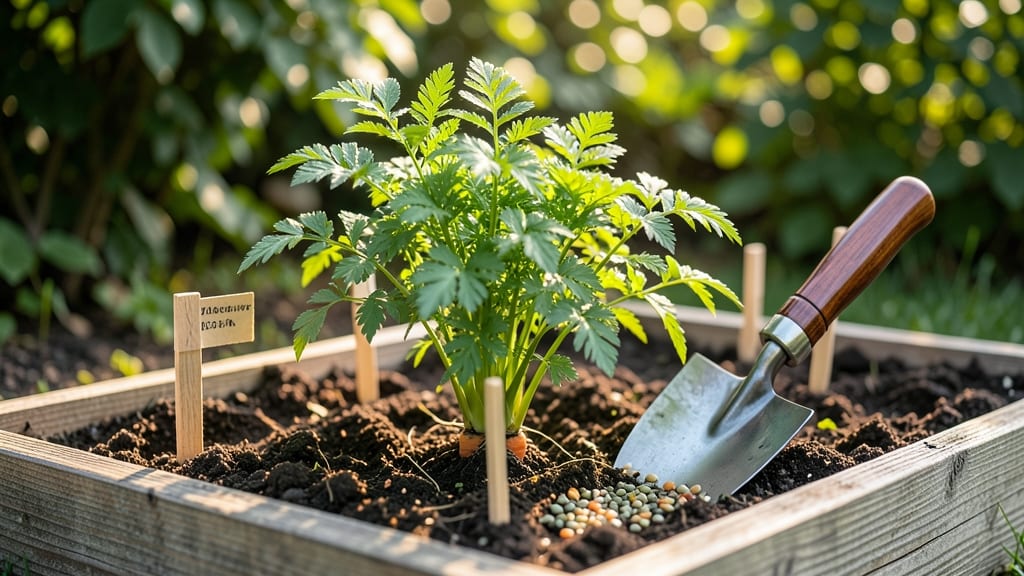
Timing your 🥕 carrot planting in East Tennessee can mean the difference between a bumper crop and a wasted garden bed.
The key to crisp, sweet roots lies in planting 2-3 weeks before your last frost date—typically around mid-April—but getting this wrong leads to either leggy, bitter greens or frost-damaged roots.
Here’s the game-changer: East Tennessee’s 6a-7a climate zones demand a two-season approach. Plant your first batch in early spring (March-April) for a late spring harvest, then repeat in late summer (July-August) to stretch your growing season until frost.
This strategy ensures you’re never left without fresh, homegrown carrots from May through October.
But it’s not just about the calendar—soil temperature and elevation play a role too. If you’re in higher elevations, like the Smoky Mountains, you’ll need to adjust your timing slightly.
I’ll walk you through the exact weeks to plant, plus how to handle East Tennessee’s unpredictable weather, so you can avoid common pitfalls and enjoy a steady supply of garden-fresh carrots all season long.
Ready to master the art of carrot planting? Let’s dive into the precise schedule, local tweaks, and pro tips that will transform your garden from average to exceptional. Your future crisp, sweet carrots are waiting!
Best planting weeks for carrots in East Tennessee’s climate zones
East Tennessee’s USDA Zones 6b-7a create a unique challenge for carrot growers—cool springs, hot summers, and early frosts demand precise timing. The key is planting 2-3 weeks before your last frost date, typically mid-March to early April, to ensure germination before soil warms too much.
For a second harvest, aim for late July to early August to avoid summer bolting.
Local frost dates vary by elevation: higher areas like Great Smoky Mountains may have 2-3 weeks later frost dates than valleys. Check UT Extension’s frost maps for your exact location to fine-tune your schedule.
Soil temperature is just as critical—carrots need 50-60°F soil to germinate, which usually aligns with mid-April in most of East TN.
Aim for these optimal planting windows to maximize your harvest:
- Early Spring: March 15-April 15 (before soil hits 60°F)
- Late Summer: July 20-August 10 (for fall harvest)
| Planting Window | USDA Zone 6b | USDA Zone 7a | Key Consideration |
|---|---|---|---|
| Early Spring | March 15-April 5 | March 25-April 10 | Soil temp 50-60°F |
| Late Summer | July 20-August 5 | July 25-August 10 | Avoid summer bolting |
| Soil Temp | 50-60°F (germination) | 50-60°F (germination) | Use seedling heat mat if needed |
For higher elevations (like Gatlinburg or Townsend), delay planting by 1-2 weeks to account for later frosts. Use black plastic mulch to warm soil faster if your spring is particularly chilly. This trick can shave 10-14 days off your planting timeline by raising soil temperature 5-10°F.
If you’re planting in containers or raised beds, warm up the soil even faster with compost or straw mulch. These methods help you start 2 weeks earlier than in-ground planting, giving you an edge in East TN’s short growing season.
Just ensure your containers have drainage holes to prevent waterlogged roots.
Pro tip: Sow seeds in succession every 2 weeks during your planting window. This staggered approach ensures a continuous harvest from late May through October, preventing glut and waste. For example, plant March 15, March 30, April 15 for a steady supply.
East Tennessee’s summer heat (often exceeding 90°F) can cause carrots to bolt prematurely. To combat this, choose shade-tolerant varieties like ‘Paris Market’ or use 30% shade cloth during peak afternoon heat. This simple adjustment can extend your harvest window by 3-4 weeks.
Always test your soil pH before planting—carrots thrive in pH 6.0-6.8. East TN’s clay-heavy soils often need compost or sand to improve drainage. Amend your beds with 2-3 inches of compost 2 weeks before planting to create the loose, stone-free soil carrots crave.
Remember: Carrots are cool-season crops, so avoid planting after mid-August unless you’re using row covers to extend the season. With these precise timing tips, you’ll enjoy crisp, sweet roots straight from your East Tennessee garden all season long. 🥕
Best planting weeks for carrots in East Tennessee’s climate zones
East Tennessee’s USDA zones 6b-7a create a unique growing window for carrots. Unlike hotter southern regions, our cooler springs and mild summers let you grow two harvests per year—spring and late summer. The key is planting when soil temperatures hit 50–60°F, which triggers germination without bolting.
For spring carrots, aim to sow seeds 4–6 weeks before your last frost date. In East TN, that’s typically mid-March to early April. If you plant too early, cold soil delays germination, while late planting risks bolt-resistant varieties like ‘Danvers’ or ‘Nantes’ from stretching too fast.
| Planting Window | Soil Temp (°F) | Days to Harvest | Notes |
|---|---|---|---|
| Early Spring (March 15–April 1) | 50–60°F | 70–90 days | Best for crisp roots; avoid late frosts. |
| Late Summer (July 15–August 15) | 55–65°F | 60–80 days | Harvest before first frost (mid-October). |
| Fall (September 1–September 15) | 50–60°F | 50–70 days | Fast-maturing varieties only; harvest before hard frost. |
For a second harvest in late summer, plant seeds in mid-July to early August. This timing lets carrots mature before first frost (mid-October), but avoid planting after August 15—long daylight hours trigger bolting. Use shade cloth if temps exceed 85°F to prevent bitter roots.
East Tennessee’s elevation variations (e.g., Knoxville vs. Gatlinburg) shift frost dates by 1–2 weeks. Check your local UT Extension frost map for precise timing. For example, Gatlinburg’s higher elevation means planting 2 weeks later than Knoxville to avoid early frost damage.
Pro tip: Test soil temperature with a thermometer before planting. Carrot seeds won’t sprout below 50°F, and soil above 80°F causes uneven germination. Aim for 55–65°F for consistent results.
With these two planting windows, you can enjoy crisp spring carrots and sweet fall harvests—just avoid the dog days of summer when heat stresses young plants. 🥕