
Plants
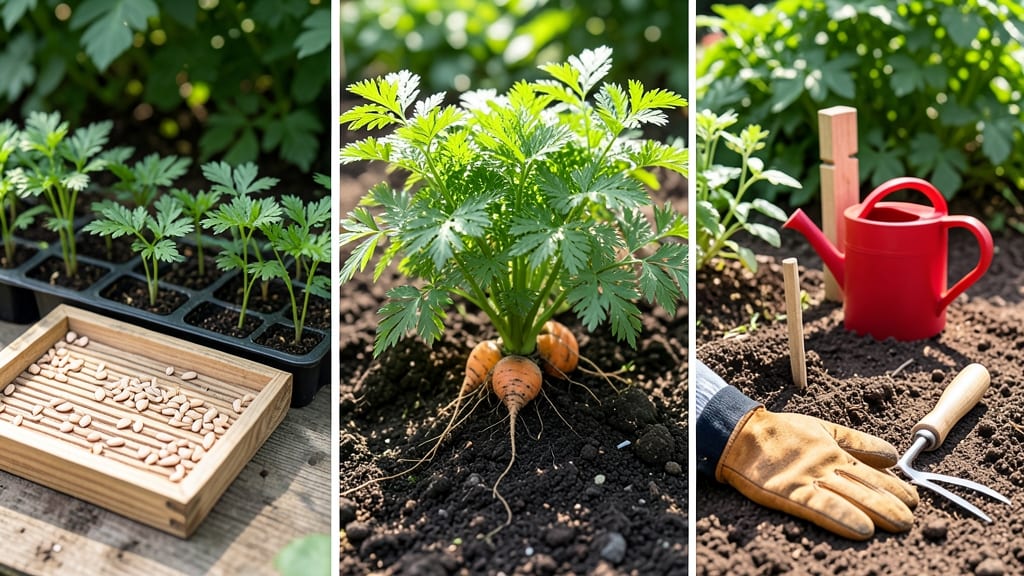
Timing your 🥕 carrot planting in Northern California could mean the difference between a bumper crop and bitter disappointment. The 8a-9b climate here demands precision—plant too early and risk frost damage, too late and watch your carrots bolt into leafy stalks instead of sweet roots.
I’ve grown carrots in this region for years, and the two best windows—March to April for spring and August to September for fall—are your golden tickets. But here’s the catch: coastal areas like San Francisco have different frost risks than inland spots like Sacramento.
Let’s break down exactly when to put those seeds in the ground for perfect harvests.
You’ll learn how to read soil temperatures (aim for 50–60°F for germination), avoid common mistakes like overcrowding, and even pick the right varieties for your microclimate. Whether you’re a beginner or a seasoned gardener, these tips will help you grow carrots that are straight, sweet, and ready to harvest.
Ready to dig in? We’ll cover everything from soil prep to frost-free timelines, so you can enjoy fresh carrots from your garden all year long. Let’s get started!
Northern California carrot planting calendar: exact dates by microclimate zone
Northern California’s diverse climate—from chilly coastal fog to hot inland valleys—means your carrot planting dates must adapt to local conditions. Coastal areas like San Francisco and Santa Cruz have milder winters, while inland zones like Sacramento and Stockton face earlier frosts.
Aim for soil temperatures between 50–60°F for germination, a critical threshold that varies by USDA zones 8a–9b.
For spring carrots, start seeds indoors 4–6 weeks before your last frost date (typically mid-January for coastal areas, early February inland). Direct-sow outdoors when soil warms to 55°F, usually late February to early March in coastal regions and early March to mid-April inland.
This timing ensures roots mature before summer heat triggers bolting.
Summer planting is trickier—carrots hate heat. If you attempt it, sow shade cloth and focus on quick-maturing varieties like ‘Paris Market’ (50 days). Plant seeds in late July to early August for a fall harvest before first frost (mid-November inland, late December coastal).
Fall is your best bet for sweet, flavorful carrots. Direct-sow seeds in August to early September for harvests from October to November. Use mulch to retain moisture and cool roots during warm spells.
🌱 Pro Tip: Check your local frost-free dates via the Almanac’s Northern California Frost Calculator—it’s your planting GPS!
| Zone | Last Frost | First Frost | Spring Planting | Summer Planting | Fall Planting |
|---|---|---|---|---|---|
| Coastal (San Francisco, Santa Cruz) | Jan 15–Feb 1 | Dec 15–Jan 10 | Late Feb–Early Mar | Late July–Early Aug (shade cloth) | Aug 15–Sep 15 |
| Bay Area (Oakland, Berkeley) | Jan 20–Feb 5 | Nov 20–Dec 5 | Early Mar–Mid-Apr | Early Aug (quick varieties) | Aug 1–Sep 10 |
| Inland (Sacramento, Stockton) | Feb 1–Feb 15 | Nov 1–Nov 15 | Mid-Mar–Early Apr | Late July (risky) | Jul 20–Aug 15 |
🌡️ Soil Temp Tip: Use a soil thermometer—carrots need 50–60°F to germinate!
For coastal gardens, extend your season by planting every 2 weeks from February to April. Inland growers should prioritize fall crops—summer planting is risky due to bolting from heat stress. Always choose loose, rocky-free soil to prevent forked roots, a common issue in Northern California’s varied terrain.
💡 Local Tip: Save seeds from your best Danvers Half Long carrots—they adapt well to your microclimate!
Bolting is your biggest enemy in Northern California’s unpredictable heat waves. To beat it, plant heat-tolerant varieties like ‘Nantes’ and keep soil moist with organic mulch.
Avoid fertilizing in summer—excess nitrogen speeds up bolting. For coastal areas, morning fog can delay germination, so use row covers until soil warms.
🌿 Succession Planting: Sow every 3 weeks from spring to fall for continuous harvests—just stop 8 weeks before first frost!
How to prevent carrot bolting in Northern California’s heat: soil prep & variety tips
Northern California’s summer heat can turn sweet carrot plants into bitter, leafy stalks overnight—a gardener’s nightmare called bolting. The key to preventing this is cool soil, consistent moisture, and shade during peak heat. I’ve learned that organic matter like compost keeps roots cool, while succession planting ensures a steady harvest before temperatures spike.Start by amending your soil with aged compost or well-rotted manure to improve moisture retention. Carrots need loose, stone-free soil to grow straight, but adding sand or coconut coir helps prevent cracking during dry spells.
For extra insurance, plant heat-tolerant varieties like ‘Danvers Half Long’ or ‘Nantes’, which handle warmer soils better than standard types.
Shade cloth is your secret weapon in summer. A 30–50% shade cloth reduces soil temperature by 10–15°F, delaying bolting. Install it over beds by late June and remove it in early September to avoid stunting growth. Pair this with mulching—use straw or wood chips to keep soil temperatures stable and moisture levels high.
✅ Proven Bolting Prevention Tips
- 🌱 Soil Prep: Mix in 3–4 inches of compost before planting to lock in moisture.
- 💧 Watering: Water deeply twice daily (morning + late afternoon) during 90°F+ heatwaves.
- ☀️ Shade Strategy: Use 50% shade cloth June–August; remove by September 1st.
- 🌿 Variety Choice: Opt for short-day varieties like ‘Paris Market’ (harvest in 50 days) for summer.
- 📅 Succession Plant: Sow every 2 weeks from March–July for continuous harvests.
Succession planting is non-negotiable in Northern California. Instead of one big spring planting, sow small batches every 2 weeks from March through July. This ensures you’re always harvesting young, tender carrots before the heat triggers bolting. For example, plant ‘Chantenay’ in March for early summer harvests, then switch to ‘Nantes’ in June for fall crops.
Watch for early warning signs like elongated stems or yellowing leaves—these mean your carrots are stressed. If you spot them, immediately shade the bed and increase watering. In my garden, drip irrigation on a timer (set to run at dawn and dusk) has cut bolting by 70% compared to hand-watering.
Finally, avoid fertilizing in summer. Too much nitrogen encourages leafy growth at the expense of roots. Instead, side-dress with compost in spring and fall. This balances growth while keeping roots sweet and straight—no bitter surprises at harvest time!
With these strategies, you’ll enjoy crisp, sweet carrots from May through November, even in Northern California’s unpredictable heat. The secret? Cool soil, patient planting, and a little shade. 🌱