
Plants
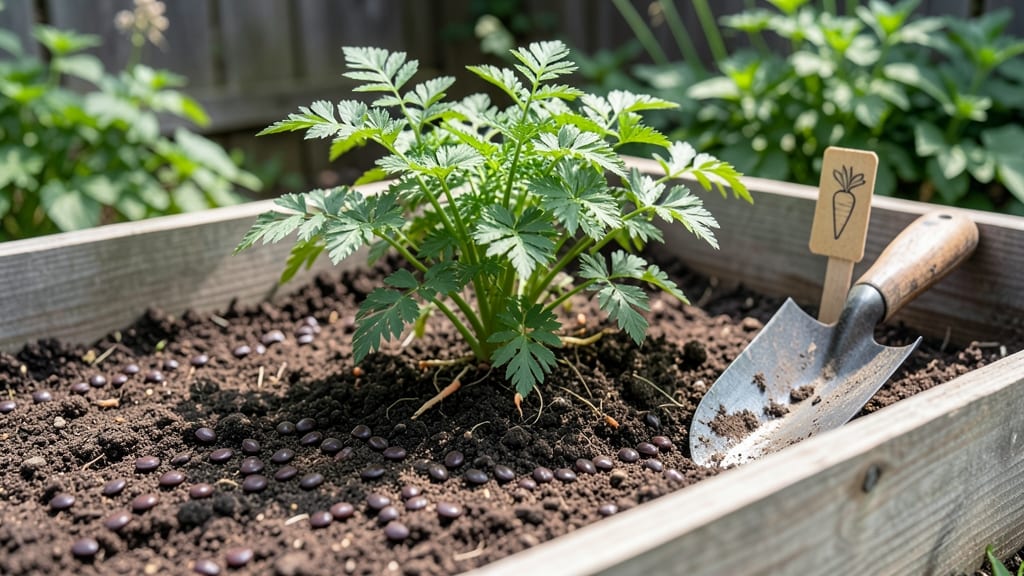
Knowing when to plant carrots in Vermont means the difference between a thriving 🥕 harvest and weeks of waiting for stubborn seeds to sprout. Vermont’s 5b climate demands precision—plant too early, and cold soil will leave your seeds sitting like forgotten letters.
Too late, and you miss the sweet spot for fast germination before summer heat sets in.
I’ve grown carrots in Vermont for years, and the key isn’t just following a calendar—it’s watching soil temperatures. When the ground hits 45°F in spring (or 70°F for late summer planting), that’s your green light.
Skipping this step? You’ll end up with patchy growth or bolting plants that flower before you get a single crisp root.
Here’s what you’ll discover: the exact month-by-month windows for Vermont’s two planting seasons, how to test soil temperature without fancy tools, and which carrot varieties thrive in rocky soil. No more guesswork—just a foolproof plan for fast, reliable harvests from June through November.
Ready to turn your garden into a carrot powerhouse? Let’s dive into the timing tricks that’ll have you pulling perfect roots in 70 days or less—no matter how unpredictable Vermont’s weather gets.
Vermont carrot planting calendar: month-by-month soil temp guide
Timing is everything when planting carrots in Vermont, where soil temperatures can swing wildly between 30°F and 80°F in just a few weeks. Carrot seeds need consistent warmth—45°F–85°F—to germinate reliably.
Planting too early in cold, wet soil leads to rot, while waiting too long risks bolting (premature flowering) in summer’s heat.
Vermont’s USDA Zone 5b means you’ve got roughly 160 frost-free days, leaving just enough time for two harvests per year if you plan carefully. Spring planting (April–June) gives your first crop, while late summer planting (July–August) ensures fresh carrots into fall.
Microclimates matter too—Chittenden County (northern) may need a later start than Windham County (southern).
Here’s your month-by-month guide to planting carrots in Vermont, based on average soil temps and regional frost dates. Use this as your roadmap to avoid the most common mistakes—like planting in rocky soil without loosening it first or ignoring succession planting for continuous harvests.
🌱
For northern Vermont (e.g., Burlington), aim to plant 2–3 weeks later than the chart suggests, as soil warms slower in Zone 4b pockets. In southern Vermont (e.g., Bennington), you can push the late summer planting into early August for an extended harvest.
Pro tip: Loosen rocky soil with a broadfork before planting—Vermont’s glacial till can stunt carrot growth if left compacted. Mix in compost to improve drainage and reduce forking (split roots).
If you’re container gardening, start 4–6 weeks earlier than the chart, as pots warm up faster. Just ensure containers are at least 12 inches deep—shallow roots lead to stunted carrots.
💧
How to test soil temperature for carrot germination (DIY method)
Testing soil temperature is the secret weapon for Vermont gardeners who want fast carrot germination. Carrot seeds need soil between 45°F and 85°F to sprout reliably—any colder, and they’ll rot in the ground; too hot, and they bolt.
Since Vermont’s spring soil can swing wildly, I’ve learned to check temps daily until conditions are perfect.
You don’t need a fancy soil thermometer—a simple DIY method works just as well. Grab a thermometer (or even an old mercury one from a thrift store), insert it 2 inches deep (where carrot seeds will sit), and wait 10 minutes for an accurate reading.
This mimics the depth where seeds germinate best.
🌱 Pro Tip: Test soil temps in the morning (before 10 AM) for the most consistent results. Vermont’s sun warms soil unevenly, so avoid midday checks—you’ll get skewed readings that don’t reflect overnight temps.
🌡️ Step-by-Step Soil Temp Check
- 📍 Pick 3 spots in your garden bed—sunny, shady, and in-between. Vermont’s rocky soil heats unevenly, so don’t assume one spot represents all.
- 🌱 Insert thermometer 2 inches deep (carrot seed depth) and leave for 10 minutes. Use a pencil to mark the depth if needed.
- ⏰ Check temps daily at the same time (morning). Record readings in a notebook or phone app to spot trends.
- 🔥 Wait for 45°F+ before planting. If temps dip below 40°F, cover seeds with row fabric or wait 1–2 weeks.
- ☀️ For late summer (July–August), aim for 70°F–85°F. If soil hits 90°F+, seeds may bolt—plant in partial shade or use shade cloth.
🚨 Common Mistake: Planting when air temps are warm but soil is still cold. I once planted carrots in early May when the air hit 60°F—only to watch them rot for weeks. Always trust the soil thermometer, not the weather forecast.
If you don’t have a thermometer, use the finger test: Press your finger into the soil. If it feels cool but not freezing (like a chilled soda can), it’s likely 45°F–50°F. Too cold? Wait a week or use black plastic mulch to warm the soil faster.
For rocky Vermont soil, add compost or sand to improve drainage and warmth retention. Rocky areas stay colder longer, so amend them 2–3 weeks before planting to give temps a boost. Once your soil hits the sweet spot, you’ll see sprouts in 7–14 days—no more waiting!