
Plants
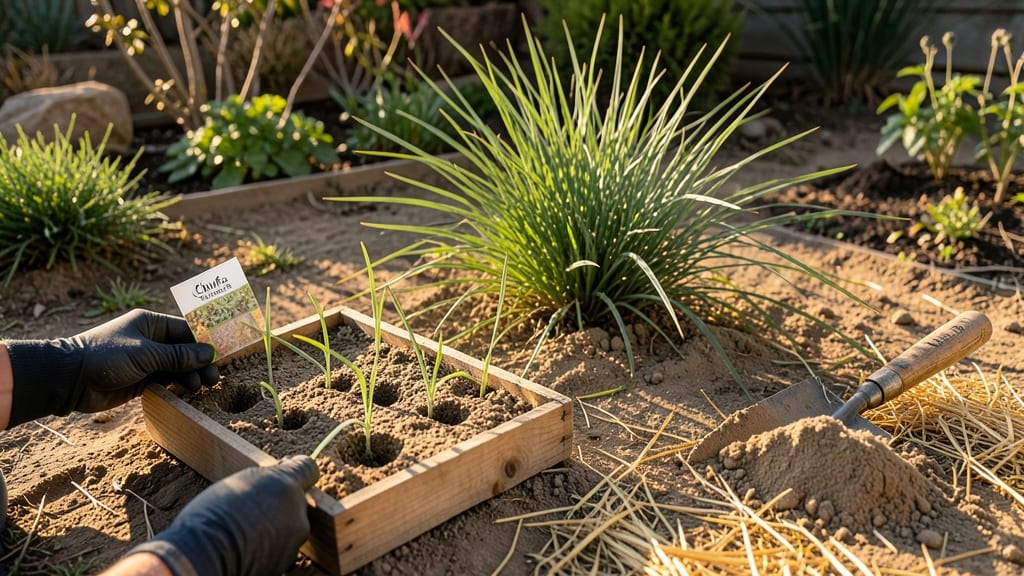
If you're dreaming of growing chufa—that nutty, crunchy tuber with a taste like sweet chestnuts—when to plant chufa in Georgia is the first question you need to nail.
The Peach State’s climate is your golden ticket, but planting too early or late can mean the difference between a bountiful harvest and wasted effort. The key lies in understanding your local frost dates and soil warmth, especially since Georgia’s 7b-8b zones create microclimates that demand precision.
Most gardeners in Georgia plant chufa 🌾 between March and April, but timing isn’t one-size-fits-all. North Georgia’s cooler pockets might need to wait until soil hits 65°F, while South Georgia’s warmer soils can handle earlier sowing.
Miss the window, and frost or sluggish growth could derail your crop before it even starts.
Don’t let common mistakes—like planting in cold soil or ignoring companion plants—sabotage your harvest. I’ll walk you through the exact steps to time your planting, prep your soil, and avoid Georgia’s biggest chufa-growing pitfalls. Ready to turn your garden into a tiger nut treasure trove?
From frost-free timelines to soil temperature tricks, this guide gives you the confidence to plant chufa at the perfect moment. Let’s get those tubers growing strong and ready for harvest by July or August.
Optimal chufa planting timeline in Georgia by region
Georgia’s diverse climate means your chufa planting window varies dramatically from North Georgia’s cooler hills to South Georgia’s subtropical lowlands. To maximize your tiger nut yield, align planting with your USDA zone (7b-8b) and last frost dates. Here’s the breakdown by region to ensure your chufa thrives.
In North Georgia (USDA 7b), where frost lingers until mid-April, wait until late March to early April for soil temperatures to stabilize above 65°F. This region’s shorter growing season demands earlier planting—aim for a 120-day harvest window before the first frost in late November.
For Central Georgia (USDA 8a), your ideal planting window stretches from mid-March to early May. The milder climate allows flexibility, but prioritize March-April for a summer harvest. Central Georgia’s longer frost-free period (200+ days) also enables early fall planting in September for a winter harvest.
| Region | USDA Zone | Last Frost | Planting Window | Soil Temp Threshold |
|---|---|---|---|---|
| North Georgia | 7b | Mid-April | Late March–Early April | 65°F+ |
| Central Georgia | 8a | Early April | Mid-March–Early May | 60°F+ |
| South Georgia | 8b | Mid-March | February–April | 55°F+ |
🌡️ Pro Tip: Use a soil thermometer to confirm warmth before planting!
South Georgia (USDA 8b) enjoys the longest growing season, with planting possible as early as February. The warmer microclimate allows chufa to germinate faster, but avoid late spring planting (after May) to prevent summer heat stress. For a winter harvest, plant in September to capitalize on the mild fall.
Regardless of region, chufa seeds need consistent warmth to germinate. In cooler zones, use black plastic mulch or row covers to raise soil temperatures by 5-10°F. This trick extends your planting window by 2-3 weeks in North Georgia’s chilly springs.
For fall planting, aim for September in all regions to ensure tubers mature before the first frost. South Georgia’s longer frost-free window lets you push planting to early October, but monitor soil moisture—drought stress slows tuber development.
Remember: Chufa thrives with 120+ frost-free days. Use your local Cooperative Extension Service frost data to fine-tune timing. For example, Athens (Central GA) has an average last frost of March 15, while Savannah (South GA) sees frost by January 15—adjust accordingly!
If you’re in a transition zone (e.g., Northwest Georgia near USDA 7a/7b), err on the side of later planting. Chufa’s sensitive tubers won’t survive winter, so prioritize soil warmth over eagerness. A soil thermometer is your best friend here!
Finally, chufa’s shallow roots mean it’s vulnerable to early spring frosts. In North Georgia, wait until after April 15 unless you’re using protective measures. South Georgia growers can plant earlier, but watch for unpredictable cold snaps in February.
🌱 Key Takeaway: North GA = late March, Central GA = March-April, South GA = February-April. Always confirm soil temps and frost dates!
Soil temperature and chufa germination: what Georgia growers must know
Chufa seeds won’t sprout until your soil temperature hits at least 65°F, and that’s non-negotiable. In Georgia’s USDA zones 7b-8b, soil warmth varies wildly—especially between North Georgia’s cooler pockets and South Georgia’s early-warmer soils.
Testing your soil’s temperature with a soil thermometer (or even a reliable weather app) is the only way to avoid planting too early and risking seed rot.
I’ve seen many Georgia gardeners rush planting in late February only to watch their chufa seeds sit dormant for weeks. The key is patience—wait until the morning soil temperature consistently stays above 68°F for three days in a row.
This usually aligns with mid-to-late March in most of the state, but South Georgia can start as early as February’s end.
Here’s a pro tip: If your soil is slow to warm, try black plastic mulch a few weeks before planting. It raises soil temperatures by 5-10°F, giving chufa seeds the jumpstart they need. Just remove the mulch once sprouts appear to prevent overheating.
Slow germination? Don’t panic—chufa seeds can take 10-21 days to sprout, depending on soil moisture and warmth. If you’re still seeing dry soil after two weeks, give them a light watering (just enough to moisten the top inch) to kickstart growth. Overwatering here is worse than underwatering, though!
⚠️ Warning: Cold Soil = Seed Disaster
Planting chufa in soil below 60°F triggers fungal rot and seed death. Georgia’s Northwest region (e.g., Dalton) often needs to wait until April 1, while Southwest Georgia (e.g., Albany) can start by March 15. Always check your local Almanac frost dates as a backup!
One more critical note: Chufa thrives in well-draining soil, but sandy soils in Georgia (common in the Coastal Plain) can dry out too quickly. If your soil drains like a sieve, mix in 2 inches of compost or use organic mulch to retain moisture without suffocating the roots.
This is especially important during Georgia’s hot, dry summers.
For container growers, use a lightweight potting mix with perlite to mimic ideal drainage. Place pots in a sunny, sheltered spot (like near a south-facing fence) to protect young seedlings from erratic Georgia winds.
With the right soil temp and care, your chufa will sprout within 2 weeks—and you’ll be on your way to a harvest by July or August!