
How To
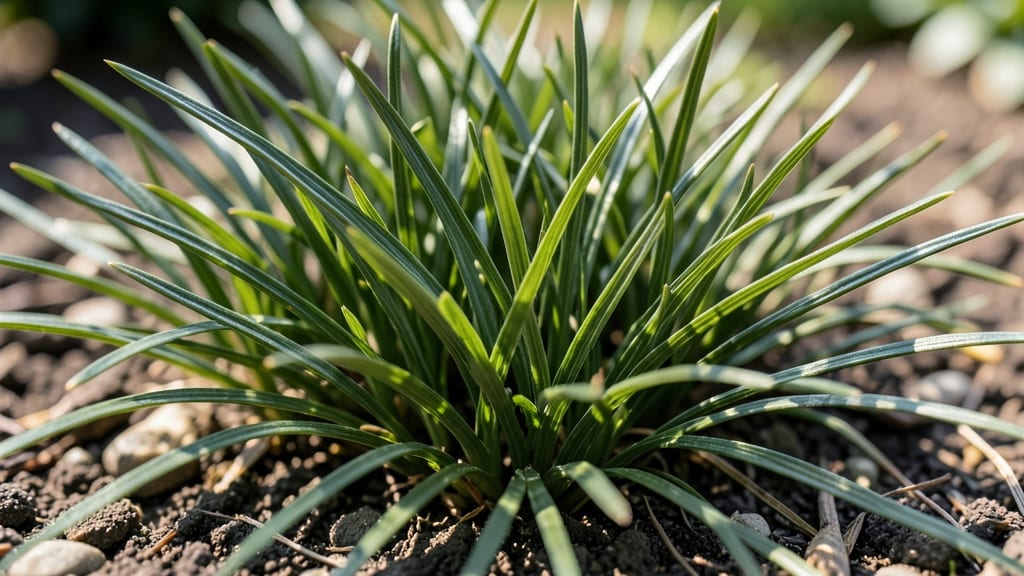
Planting centipede grass in Georgia at the wrong time can turn your dream lawn into a slow-growing, weed-prone disappointment. The key to success? Timing it right when soil temperatures hit 60-65°F—not just following a calendar.
This fast-growing grass thrives in Georgia’s heat, but rushing it can leave roots shallow and vulnerable.
Most Georgia homeowners plant in late winter to early spring, but coastal areas and Piedmont regions have different ideal windows. If you wait too long, summer’s brutal heat can shock new seedlings, while planting too early risks frost damage.
The good news? With the right soil prep and watering schedule, you can establish deep roots in just 4-6 weeks—outpacing weeds before they even take hold.
I’ve helped countless Georgia lawns go from patchy to lush by mastering these triggers. Whether you’re seeding or laying sod, we’ll cover exactly when to dig in, how to test soil temps, and pro tips to keep your 🌱 centipede grass thriving through Georgia’s long, hot summers.
Let’s get your lawn off to the fastest start possible.
Ready to skip the guesswork? Stick around—I’ll walk you through the exact planting window for your region, plus 5 game-changing tricks to ensure your grass takes root quickly and stays green year-round. No more waiting for next spring to enjoy that perfect lawn.
Optimal soil temperature ranges for planting centipede grass in Georgia
Centipede grass thrives in Georgia’s warm climate, but soil temperature is the real game-changer for successful planting. Unlike cool-season grasses, centipede needs warmer soil to germinate and establish roots quickly.
Planting too early can stunt growth, while waiting too long risks heat stress or pest invasions. Let’s break down the ideal soil temperature ranges for seed vs. sod planting.
For seed planting, aim for soil temperatures between 60-65°F. At this range, seeds germinate reliably without overheating. If temperatures dip below 60°F, germination slows dramatically, leaving your lawn vulnerable to weeds. Use a soil thermometer to check—insert it 2-3 inches deep for accurate readings.
If you’re installing sod, wait until soil reaches 70-75°F. Sod roots faster in warmer conditions, reducing the window for drought stress or fungal diseases. Coastal Georgia typically hits these temps by late March to early April, while inland areas may need to wait until mid-April.
Here’s how to test soil temperature at home: Bury a soil thermometer for 30 minutes, then check the reading. If it’s below 60°F, delay planting. Pro tip: Early morning is the best time to test—soil cools overnight, giving you a conservative estimate.
Regional microclimates matter in Georgia. Coastal areas like Savannah warm up faster due to ocean breezes, while Piedmont regions (e.g., Athens) lag behind by 1-2 weeks. Mountainous zones like Blue Ridge may need to wait until May for safe planting. Always adjust your timeline based on your local last frost date.
| Planting Method | Ideal Soil Temp | Risk Below Temp | Risk Above Temp |
|---|---|---|---|
| Seed | 60-65°F | Slow germination | Overheating |
| Sod | 70-75°F | Weed competition | Drought stress |
| Both | Below 55°F | Pest attraction | Fungal growth |
Planting centipede grass too early—before soil warms—can lead to shallow root systems, making your lawn more susceptible to drought and weeds. Conversely, delaying too long risks heat shock, where new roots struggle to adapt.
Monitor your local extended weather forecasts for heatwaves, which can push soil temps beyond 80°F and stress young grass.
If you’re unsure about your soil’s readiness, use a black plastic mulch sheet for 2-3 days. Place it on the ground in full sun—when the underside feels warm to the touch, your soil is likely in the ideal range.
This trick works especially well in cooler Piedmont regions where mornings can still feel chilly.
Once planted, centipede grass will thrive in Georgia’s heat once established, but those first 30 days are critical. Focus on keeping soil moist (not soggy) and avoid heavy foot traffic until you see 2-3 inches of root growth
With the right timing, your lawn will outpace weeds and handle Georgia’s humidity like a pro. For extra peace of mind, consider a soil warming hack: Lay down clear plastic sheeting over the soil for a week before planting. This traps heat and speeds up warming, especially useful in late-winter plantings when days are still cool. Just remove it before seeding or sodding to avoid overheating.
Best planting months in Georgia by region: coastal vs. Piedmont timelines
Georgia’s diverse climate means the best time to plant centipede grass varies by region. Coastal areas stay warmer longer, while Piedmont zones experience earlier frosts. Let’s break down the ideal planting windows for seed and sod in each zone to maximize your lawn’s success.
For coastal Georgia (USDA zones 8a-9a), the window stretches from mid-February to late April. The milder winters and slower-cooling soil allow you to start earlier than inland areas. In contrast, Piedmont Georgia (zones 7b-8a) demands patience—wait until mid-March to early May to avoid frost damage.
Region
Best Months for Seed
Best Months for Sod
Soil Temp Threshold
Coastal
Mid-Feb to Late Apr
Feb to Early May
60-65°F
Piedmont
Mid-Mar to Early May
Mar to Late May
65-70°F
Mountains
Late Apr to Early Jun
May to Early Jun
70-75°F
Rainfall patterns also play a role. Coastal areas often receive consistent moisture, making early planting easier. Inland regions, however, may need supplemental irrigation during dry spells in late spring. Always check your local weather forecasts for unexpected heatwaves or droughts.
If you’re planting sod, aim for the later end of these windows. Sod establishes faster but requires consistent moisture. Planting too early can leave it vulnerable to frost damage, while late planting may stress the grass during summer’s peak heat.
For mountainous regions, push planting to late April or May. Cooler nights and slower soil warming mean you’ll need to wait longer for ideal conditions. Use a soil thermometer to confirm temperatures before planting—this is your best tool for success.
Pro Tip: If your region experiences early heatwaves, consider late summer planting (August-September) for sod. The grass will establish roots before winter, giving it a head start in spring.
🌱