
Plants
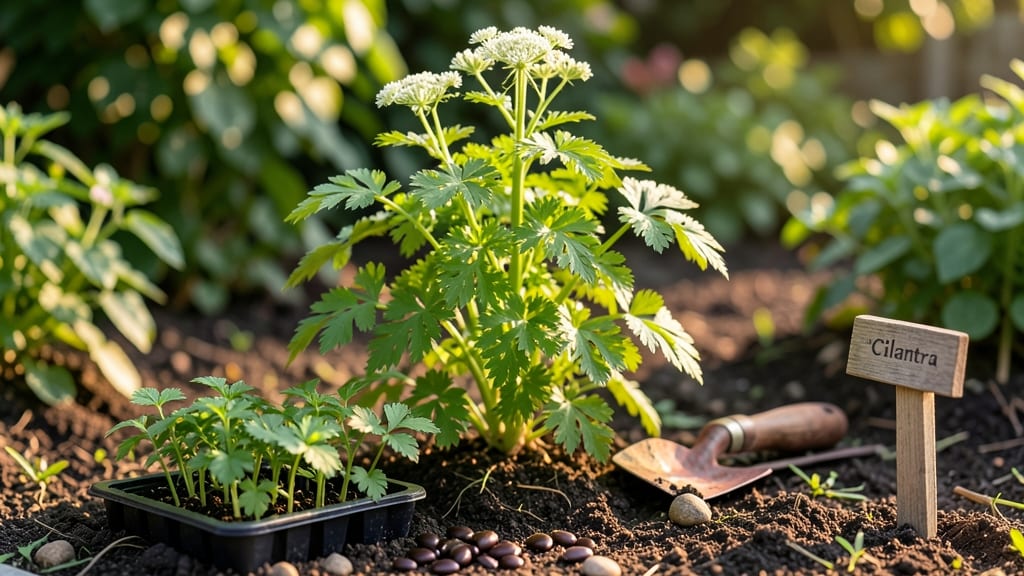
Knowing when to plant cilantro in NC can mean the difference between a thriving herb garden and a disappointing bolted mess. This cool-weather 🌿 loves North Carolina's mild springs and falls but wilts under summer heat—so timing is everything.
If you've ever planted cilantro only to watch it turn bitter and flower too soon, you're not alone. The secret? Starting seeds at the right time and choosing heat-resistant varieties that actually thrive in NC's 7a-8b zones.
I'll show you exactly when to sow for maximum harvests—whether you're in Raleigh, Charlotte, or the coast.
Spring plantings should begin in early March, while fall is your second chance with August sowings. But there's more to it than just months—soil temps, frost dates, and even your yard's microclimate play a role. Let me break down the perfect planting schedule tailored to your corner of North Carolina.
You'll also discover how to stretch your growing season with simple tricks, from shade cloth to succession planting. By the end, you'll have fresh cilantro on demand—no more store-bought disappointment. Ready to grow like a pro?
Best planting months for cilantro in North Carolina (by region & hardiness Zone)
North Carolina’s USDA Zones 7b-8a offer two prime windows for growing cilantro: cool spring months and late summer/fall. The key is avoiding summer heat, which causes cilantro to bolt prematurely.
For most of NC, this means planting between March and April or August and September, timing that aligns with frost-free periods.
In mountain regions (e.g., Asheville, Boone), where nights stay cooler, you can extend spring plantings slightly later—up to mid-April. Meanwhile, coastal areas (e.g., Wilmington, Outer Banks) have milder winters, allowing for February plantings in some microclimates.
Always check your local last frost date (typically mid-March in Raleigh or late March in Charlotte) to guide your schedule.
For direct sowing, scatter seeds ¼-inch deep in well-draining soil when soil temperatures hover between 45°F and 75°F. In NC’s humid climate, this often means waiting until after April 15 to avoid fungal diseases.
If transplanting seedlings, do so 2-3 weeks after your last frost date for best results.
Here’s a quick reference for NC’s three key planting zones:
| Region | Best Planting Window | Key Considerations |
|---|---|---|
| Mountains (Zones 7b) | March 15–April 15 | Cooler nights; extend to mid-April |
| Piedmont (Zones 7b-8a) | March 1–April 10 | Standard frost dates; avoid May heat |
| Coastal (Zones 8a) | February 15–March 30 | Milder winters; watch for early bolting |
| Fall Planting (All Regions) | August 15–September 15 | Avoid September heat; harvest before frost |
For fall harvests, aim to plant cilantro 8-10 weeks before your first frost (typically mid-November in Raleigh or late November in Charlotte). This ensures your plants mature before cold snaps.
In containers, you can push these dates slightly later, as pots warm up faster and may delay frost damage.
If you’re in a warmer microclimate (e.g., near the coast or in urban heat islands), opt for shade-tolerant varieties or use 30% shade cloth to reduce stress. Even with these adjustments, succession planting every 2-3 weeks in spring/fall maximizes your harvest potential.
One common mistake in NC is planting cilantro too early in spring or too late in fall. Early plantings risk cold damage, while late fall plantings may not mature before frost. Always monitor soil temperatures—cilantro thrives when they’re below 75°F.
Pro tip: Use a seedling heat mat if starting indoors in January-February to jumpstart growth. This is especially useful in Zone 7b areas where winters can linger. Just be ready to transplant outdoors after your last frost date.
For container gardeners, choose compact varieties and plant in 5-gallon pots with well-draining potting mix. Containers dry out faster, so water daily in summer and every other day in spring/fall. Place pots in morning sun to avoid afternoon heat stress.
Best planting months for cilantro in North Carolina (by region & hardiness Zone)
North Carolina’s USDA zones 7b-8a create perfect conditions for cilantro in cool seasons, but timing is everything to avoid the dreaded bolting.
The ideal planting window spans from late winter to early spring (February-April) and late summer to early fall (August-September), aligning with NC’s last frost dates (mid-March) and first frost dates (mid-November).
For mountain regions (Asheville, Boone), where temperatures drop faster, you can start sowing cilantro seeds as early as late January under row covers. Meanwhile, coastal areas (Wilmington, Morehead City) with milder winters can wait until mid-February to avoid heat stress from unexpected warm spells.
The key is planting when soil temps stay below 75°F—cilantro bolts when it gets too hot!
| Region | Best Planting Window | Frost Dates | Notes |
|---|---|---|---|
| Mountains (Zone 7b) | Late January - Early April August 15 - September 15 |
Last frost: March 1 First frost: October 30 |
Use row covers for early starts; cooler temps delay bolting. |
| Piedmont (Zone 7b-8a) | Mid-February - Mid-April August 1 - September 10 |
Last frost: March 15 First frost: November 1 |
Succession plant every 2-3 weeks for continuous harvest. |
| Coastal (Zone 8a) | Late February - Early April July 30 - September 1 |
Last frost: March 30 First frost: November 15 |
Provide afternoon shade in summer; humidity increases bolting risk. |
Direct sowing cilantro seeds 1/4 inch deep and 12 inches apart works best for NC gardeners. If starting transplants, harden off seedlings for 7-10 days before setting them out after your last frost date.
For container gardening, use 6-inch pots and place them in partial shade during summer months to buy extra time before bolting kicks in.
Don’t overlook succession planting—this is your secret weapon for fresh cilantro all season. In NC’s climate, sow new seeds every 2-3 weeks from February through April, then again from August through September.
This staggered approach ensures you always have young, tender leaves ready for harvest before the heat sets in.
For extended harvests, try using shade cloth (30-50%) during summer months to keep soil temps cool. Pair cilantro with basil or dill in your garden beds—these companions help deter pests like aphids, which can stress your cilantro and trigger bolting.
Just remember: never let soil dry out completely, as drought stress accelerates the bolting process.
If you miss the spring window, don’t despair—fall planting is your second chance! Aim to have cilantro established 6-8 weeks before your first frost (typically by September 15 in most of NC).
This gives your plants enough time to mature before winter slows growth. With the right timing, you can enjoy fresh cilantro well into November in many regions.