
Trees
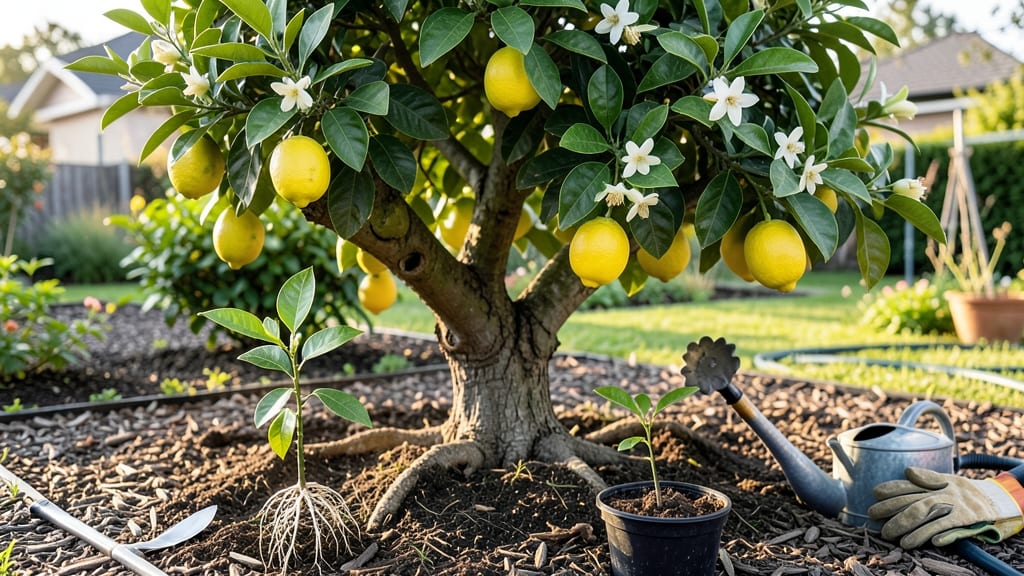
Planting a citrus tree in Phoenix isn’t just about grabbing a sapling and sticking it in the ground—timing is everything, and getting it wrong could mean watching your 🍊 wither under the desert sun before it even takes root.
With Phoenix’s 9b climate and year-round warmth, you might think citrus trees could go in anytime. But the brutal summer heat and intense sun make November through February the only real window for success.
This is when temperatures are cooler, and your tree has a fighting chance to establish roots before the real heat hits.
I’ve seen firsthand how a tree planted in March or April can struggle—leaves crisp, roots bake, and all that potential goes up in smoke.
The key isn’t just avoiding frost (there isn’t much of that here), but giving your citrus tree the best shot at survival during its most vulnerable phase.
In this guide, I’ll walk you through the exact months to plant, soil prep tricks for Phoenix’s rocky soil, and how to protect your tree from the 110°F+ summers that follow.
Whether you’re going in-ground or sticking with containers, these steps will set your citrus up for years of fruit—without the guesswork.
Best months to plant citrus trees in Phoenix (heat-resistant varieties guide)
Phoenix’s frost-free winters and intense summers make citrus trees thrive—but timing matters more than you’d think. Planting during the wrong season can cause transplant shock or even death from heat stress. The ideal window is late fall through early spring when temperatures stay mild.
Citrus trees need time to establish roots before Phoenix’s 110°F+ summers. The perfect months are November through February, when daytime highs average 75°F or cooler. This gives young trees a 3-4 month head start before peak heat arrives.
Here’s why this timing works: Cool nights reduce stress, soil stays moist longer, and rainfall increases in late fall. The summer monsoon season (July-September) actually makes planting harder—soaked soil and extreme heat create poor conditions for root growth.
🍊 Pro Tip: If you must plant outside this window, choose dwarf varieties like ‘Meyer Lemon’ or ‘Calamondin’—they handle heat better than standard-sized trees.
| Citrus Variety | Best Planting Months | Heat Tolerance | Mature Size |
|---|---|---|---|
| Meyer Lemon | Nov–Feb (best) / Mar (possible) | High (9/10) | 6–10 ft |
| Valencia Orange | Nov–Jan (critical) | Medium (7/10) | 12–15 ft |
| Satsuma Mandarin | Oct–Dec (flexible) | Very High (10/10) | 8–12 ft |
| Calamondin | Year-round (container only) | High (8/10) | 3–5 ft |
| Limequat | Nov–Feb (best) | Medium (6/10) | 6–10 ft |
🌡️ Note: Heat tolerance ratings assume proper watering and mulching.
The Satsuma Mandarin stands out as the most flexible variety—it handles slightly warmer planting conditions (down to 50°F) and even tolerates light frosts (though Phoenix rarely sees them). For standard-sized trees, stick to November–January to avoid summer transplant shock.
If you plant in February, expect slower initial growth as temperatures rise. Young trees planted in March or later often struggle unless you use shade cloth and drip irrigation from day one. The root zone needs to establish before April’s 90°F+ days arrive.
💧 Watering Hack: After planting, water deeply 2–3 times per week for the first month to encourage root spread into the well-amended soil. Use a moisture meter to check—citrus roots hate soggy conditions but need consistent moisture.
Phoenix’s USDA Zone 9b climate means no frost risk, but heat stress is the real enemy. The 30–60 days after planting are critical—this is when trees decide whether they’ll thrive or fail.
Protect young leaves with light shade cloth (30–50% block) during 100°F+ days until the tree is 2 feet tall.
For container-grown citrus (like Meyer Lemons in pots), you can plant any month—but still avoid peak summer. Containers dry out 3x faster in Phoenix heat, so upgrade to 15–20 gallon pots and use self-watering systems.
🌱 Final Tip: Time your planting with Phoenix’s rainy season’s end—aim for late October if you’re eager. Just be ready to hand-water if November stays dry.
How to prepare soil and protect new citrus trees from Phoenix heat
Phoenix’s alkaline soil and intense sun demand special prep before planting citrus. The key is creating a well-draining environment with organic matter to retain moisture while preventing root rot.
Start by testing your soil’s pH—citrus thrives in 6.0–7.0, but Phoenix’s native soil often runs higher. Amend with sulfur or peat moss to lower pH if needed.
Dig a hole twice as wide as the root ball but only as deep. Mix the native soil with compost and a citrus-specific fertilizer (like 6-6-6 NPK) to give your tree a nutrient boost from day one. Avoid fresh manure—it can burn roots and attract pests.
⚠️ Critical Warning: Phoenix Heat Shock
Planting in summer without protection is a death sentence for citrus. Even heat-tolerant varieties like ‘Meyer Lemon’ or ‘Valencia Orange’ can suffer leaf scorch or root desiccation if exposed to 100°F+ soil temps. The first 30 days post-planting are critical—roots need time to establish before the real heat hits.
After planting, mulch heavily with 3–4 inches of wood chips or straw to lock in moisture and regulate soil temperature. Keep mulch 6 inches away from the trunk to prevent rot.
Pair this with drip irrigation set to deliver 1–1.5 inches of water weekly, focusing on the root zone. Water in the early morning to prevent fungal growth from evening moisture.
For the first 6–8 weeks, provide afternoon shade using shade cloth (30–50%) or a temporary burlap screen. This reduces stress while roots adapt. Once established, most citrus can handle full sun, but gradual acclimation prevents sunburn on tender new leaves.
Monitor for aphids or scale insects, common pests in Phoenix’s dry heat. A neem oil spray applied every 2–3 weeks during the first year keeps pests at bay without harming beneficial insects. Prune any brown or crispy leaves immediately—they’re signs of heat stress.
By combining soil amendments, mulching, and strategic watering, your citrus tree will have the best chance to thrive through Phoenix’s first brutal summer. Remember: patience is key—don’t rush the process, or you’ll end up with a sad, sun-scorched sapling instead of a fruiting tree.