
Plants
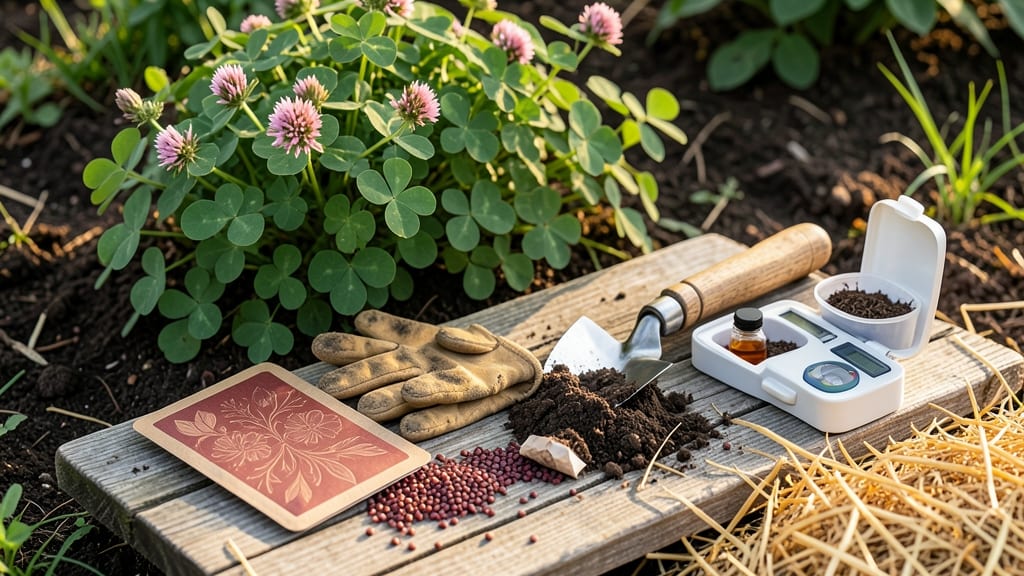
Timing your clover planting in Iowa right means the difference between a thriving, nitrogen-rich lawn and wasted seeds—especially in zones 5a-5b where frost can strike early or late.
The key isn’t just following a calendar; it’s reading your soil’s cues and local frost dates, like knowing when temperatures consistently hit 50°F for germination.
Iowa’s unpredictable climate makes spring planting (March–April) a gamble if frost lingers, while fall (August–September) offers cooler soils and fewer weeds to compete with your 🌱 clover.
But here’s the game-changer: planting after the last frost—typically around April 15—gives seeds the best shot at fast, even growth before summer heat sets in.
Whether you’re sowing white Dutch clover for pollinators or red clover for hay, the right timing cuts down on weed pressure and boosts success. I’ll break down exactly when to plant in Iowa’s regions, plus pro tips to outsmart frost and drought for a lush, low-maintenance lawn by summer.
Ready to skip the guesswork? Let’s dive into the frost-date triggers and soil prep secrets that’ll have your clover off to a fast start—no matter where you’re gardening in the Hawkeye State.
Iowa’s frost-date rules for planting clover: exact timing by region
Timing your clover planting in Iowa hinges on understanding USDA hardiness zones 4-6 and the last-frost dates for your specific region.
Most of Iowa falls in zones 5a-5b, where frost can linger until mid-April in northern areas like Sioux City but often clears by early April in southern regions like Des Moines. Waiting until soil temperatures hit 50°F (10°C) ensures optimal germination.
Clover thrives in Iowa’s cool-season climate, making both spring and fall viable options—but the window is tight. Plant too early, and frost will kill seedlings; too late, and summer heat stresses young plants.
My rule? Aim for April 15–May 15 in spring or September 1–October 1 in fall, adjusting based on your county’s frost history.
For example, Cedar Rapids typically sees its last frost around April 10, while Dubuque may wait until April 20. Check your local Almanac frost dates or use the USDA Plant Hardiness Map to pinpoint your zone’s risk factors.
Here’s how to align your planting with Iowa’s regional frost patterns:
| Region | Last Frost Date | Ideal Planting Window | First Frost Risk |
|---|---|---|---|
| Southern Iowa (Des Moines) | April 5–15 | April 15–May 15 | October 10–20 |
| Central Iowa (Ames) | April 10–20 | April 20–May 10 | October 5–15 |
| Northern Iowa (Sioux City) | April 20–May 1 | May 1–15 | September 25–October 5 |
If you’re planting in September or October, prioritize white Dutch clover or red clover, which germinate faster in cooler soils. For spring, microclover blends are my go-to—they establish quickly and tolerate Iowa’s variable spring rains better than traditional varieties.
Pro tip: Use a soil thermometer to confirm 50°F+ soil temps before seeding. Clover seeds need warmth to break dormancy, and Iowa’s chilly April mornings can delay germination by weeks if you plant too soon.
For fall planting, aim to seed 6–8 weeks before your area’s first frost date. This gives clover time to establish roots while avoiding the dormancy stress of winter’s harshest cold.
In zone 5a (northwest Iowa), that means late August to early September; in zone 5b (southwest Iowa), you can stretch it to mid-October.
Remember: Clover’s nitrogen-fixing roots need time to colonize. Planting too late in fall leaves them vulnerable to winter heaving or early-spring drought. Balance timing with moisture levels—Iowa’s spring rains are unpredictable, so keep seeds consistently moist for the first 3–4 weeks after planting.
🌱
Spring vs. fall planting: which works best in Iowa’s climate?
Deciding between spring and fall planting for clover in Iowa hinges on two factors: soil temperature and weed competition. Spring planting (April–May) offers warmer soils that speed germination, but early frosts can still threaten tender seedlings.
Fall planting (September–October), on the other hand, lets clover establish roots before winter, reducing spring weed pressure.
Iowa’s USDA zones 5a-5b mean soil temperatures fluctuate wildly—spring soils can still be 40°F or colder in March, while fall soils may linger at 50°F+ into October. Clover seeds need at least 50°F soil to sprout, making late April or early September the sweet spot for most regions.
Here’s the catch: Spring planting gives you a head start on summer growth, but you’ll face more weeds vying for space. Fall planting skips the weed battle but risks uneven germination if frost hits early.
My strategy? Plant a test patch in both seasons to see which works best for your microclimate.
Spring vs. Fall Planting: Iowa-Specific Pros & Cons
Spring Planting
- ✅ Fast germination (soil warms quickly)
- ✅ Full summer growth for hay/seed
- ❌ Weed competition peaks in May–June
- ❌ Frost risk if planted too early
Fall Planting
- ✅ Fewer weeds in spring
- ✅ Cooler soils reduce stress
- ❌ Slower spring growth if frost hits
- ❌ Limited summer harvest window
For Des Moines and Cedar Rapids, where average last frosts hit April 15–20, aim for late April planting to avoid frost. In Sioux City (Zone 4b), wait until May 1 to be safe.
Fall planting? September 15 is ideal—seeds will germinate before the first frost (October 15 average).
Pro tip: Use a soil thermometer to confirm temperatures before planting. Clover seeds won’t sprout below 50°F, and waiting a few days for warmer soil saves you from replanting. Pair this with light mulch (straw or leaves) to retain moisture and regulate soil temps.
Ultimately, fall planting often wins in Iowa for low-maintenance success, but spring planting pays off if you’re growing clover for summer hay or seed harvests. Test both methods in your yard—your local microclimate might favor one over the other!