
Plants
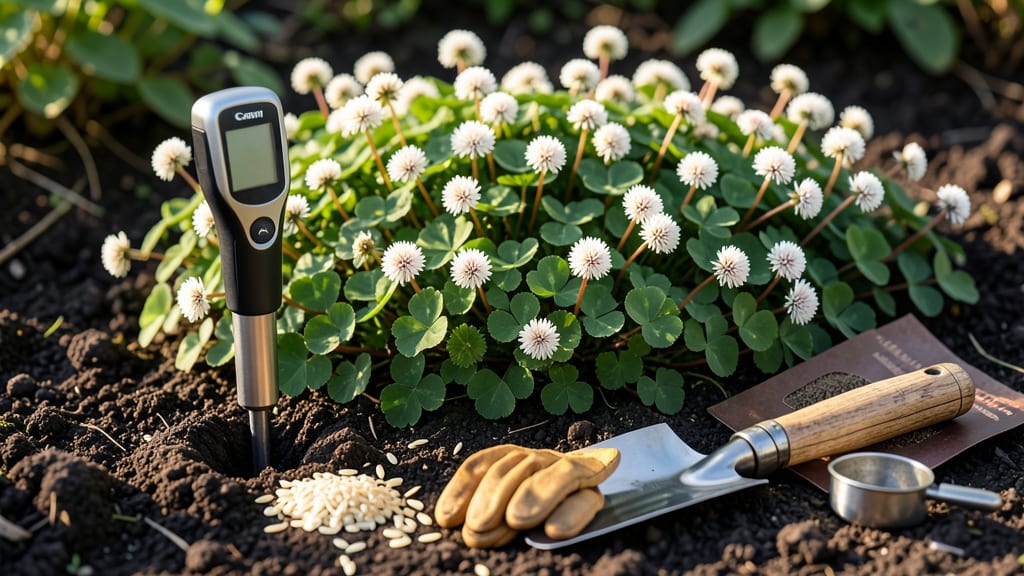
Timing your clover planting in Kentucky isn't just about the calendar—it's about soil temperature, and getting it wrong can mean the difference between a thriving green cover and wasted seeds.
The key to fast germination lies in understanding when the ground warms up just enough to support those tiny roots, especially in USDA Zone 6a where frost lingers until mid-April.
I've seen firsthand how Kentucky's unpredictable spring weather can throw off even the most well-planned planting schedules. But here's the good news: by focusing on soil temperature triggers—typically between 40-70°F—you can plant with confidence, whether you're in the Bluegrass region or the Appalachian foothills.
This isn't just theory; it's a proven method that works for both white Dutch clover and red varieties.
What makes this timing so critical? Clover seeds need consistent moisture and warmth to break dormancy, and Kentucky's climate gives you two perfect windows: early spring (March-April) right after the last frost, or early fall (September-October) before temperatures drop.
Missing these windows means slower establishment and weaker plants that struggle to compete with weeds.
In this guide, I'll walk you through exactly when to plant based on your specific climate zone, how to prepare your soil for maximum success, and the simple post-planting care that ensures your clover takes off fast. Let's get those seeds in the ground at the perfect moment.
Optimal Kentucky soil temperature ranges for planting clover seeds
Kentucky’s clover varieties thrive when planted at precise soil temperatures, which vary by type. White Dutch clover germinates fastest at 50-65°F, while red clover prefers 40-60°F.
Microclover, a newer favorite, germinates best at 45-60°F. These ranges ensure fast germination and strong root establishment before Kentucky’s summer heat arrives.
Timing is critical because Kentucky’s Bluegrass region (USDA Zone 6a) warms faster than the Pennyrile region (Zone 7a). In the Bluegrass, soil hits 50°F by early March, while Pennyrile soils may need until mid-April. Always check soil temperature with a thermometer—planting too early in cold soil delays growth.
Here’s how soil temperature impacts each variety’s success:
| Clover Type | Ideal Soil Temp (°F) | Best Kentucky Planting Window | Germination Time |
|---|---|---|---|
| White Dutch Clover | 50–65°F | Early April–Mid-May | 7–14 days |
| Red Clover | 40–60°F | Late March–Early April | 10–21 days |
| Microclover | 45–60°F | Early April–Late September | 5–10 days |
🌱 Note: Adjust for Kentucky’s microclimates—Appalachian foothills stay cooler longer.
For spring planting, aim to sow seeds when soil temps consistently stay above 50°F for 5 days. In Kentucky, this typically aligns with late March to early April in the Bluegrass region and mid-April in warmer zones like Western Kentucky.
Use a soil thermometer to confirm—planting too early in cold soil can cause rot or poor germination.
Fall planting offers a second chance for clover establishment. In Kentucky, soil temps drop below 70°F by late September, making this the ideal time for red and white clover.
Microclover, however, benefits from fall planting too—its shorter germination window thrives in cooler 50-60°F soils. Plant by mid-October to allow roots to establish before winter dormancy.
Regional variations matter: Northern Kentucky (USDA Zone 6a) may need to wait until early May for soil to warm, while Southern Kentucky (Zone 7a) can plant as early as mid-March.
Always monitor local frost dates—Kentucky’s last frost average is April 15, but microclimates can shift this by 1-2 weeks. Planting too soon risks frost damage.
Pro tip: Mulch lightly after planting to retain soil warmth and moisture. Use straw or shredded leaves (avoid thick layers that smother seeds). Water gently to avoid seed displacement, and keep soil consistently moist until germination. Overwatering can leach nutrients, while underwatering causes seeds to dry out.
If you’re unsure about soil temps, use Kentucky’s USDA Plant Hardiness Zone Map as a guide. Zone 6a (most of Kentucky) has average minimum temps of -10°F, but soil temps lag behind air temps.
A simple rule: Wait until daytime highs reach 60°F—this usually means soil is ready for clover seeds.
For maximum yield, pair clover with grasses like Kentucky bluegrass. This mix thrives in Kentucky’s clay-heavy soils and suppresses weeds naturally. Just ensure your seed mix has 50% clover for optimal nitrogen fixation. Test soil pH first—clover prefers 6.0-7.0, and Kentucky’s acidic soils often need lime adjustments.
Remember: Patience pays off. Clover seeds are tiny—1 pound covers 5,000 sq ft—so broadcast evenly for uniform growth. Lightly rake to cover seeds 1/8 inch deep, then water.
In 3-4 weeks, you’ll see tiny green sprouts transforming your lawn into a nitrogen-rich powerhouse. 🌱
Optimal Kentucky soil temperature ranges for planting clover seeds
Planting clover in Kentucky requires precision—especially with soil temperature. Seeds germinate best when soil reaches 40-70°F, but different clover varieties have unique needs. White Dutch clover thrives at 50-65°F, while red clover prefers 55-70°F.
Microclover, a newer option, germinates at 45-60°F, making it more flexible for Kentucky’s variable springs.
Kentucky’s Bluegrass region (central/southern) warms faster than the Pennyrile Plateau (western). Use a soil thermometer to confirm temperatures before planting. Pro tip: Morning soil temps are often 5-10°F cooler than afternoon readings—check at 10 AM for accuracy.
| Clover Type | Ideal Soil Temp (°F) | Kentucky Region | Best Planting Window |
|---|---|---|---|
| White Dutch Clover | 50-65°F | Bluegrass (Central/Southern) | Early March-April |
| Red Clover | 55-70°F | Pennyrile (Western) | Late March-May |
| Microclover | 45-60°F | All Regions | February-April or September |
🌱 Pro Tip: Fall planting (September) works if soil stays above 50°F for 4+ weeks.
For spring planting, aim for March-April when Kentucky’s average soil temps hit 55°F. In fall, September is ideal—seeds establish roots before winter frost. Northern Kentucky (USDA Zone 6a) may need to wait until mid-April due to slower warming.
If you plant too early (soil <40°F), seeds rot. Too late (soil >75°F), they dry out. Use black plastic mulch to warm cold soil 5-10°F faster in early spring. Remove mulch once seeds sprout to prevent overheating.
Test your soil’s moisture retention too—clover needs consistent dampness but hates waterlogging. Kentucky’s clay-heavy soils (common in Western KY) drain poorly; amend with compost or sand if needed. Sandier soils (Eastern KY) dry out faster—water lightly daily until germination.
Remember: Clover fixes nitrogen, but it needs the right start. Plant when soil temps align with your variety’s needs, and you’ll see lush growth in 3-4 weeks. Avoid late summer planting—Kentucky’s heat stresses young seedlings.