
Plants
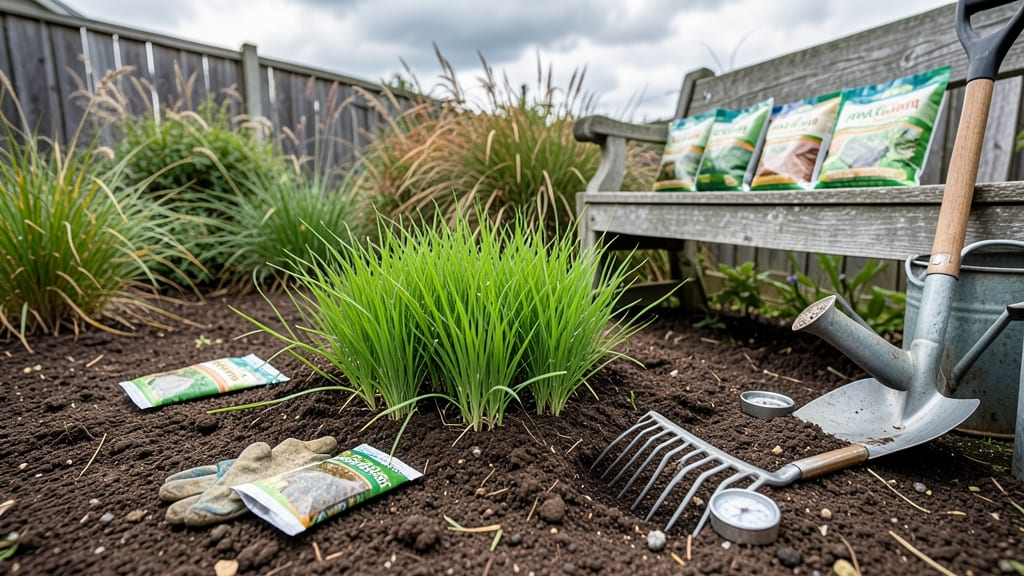
Timing your cool season grass planting just right in spring can mean the difference between a lush, green lawn and months of patchy, struggling growth.
With Zone 6 averages showing last frost around April 15, you’ve got a narrow window to get it right—plant too early, and cold soil stalls germination; wait too long, and summer heat stresses young roots.
Most gardeners make one of two mistakes: rushing in when the ground is still chilly or delaying until the soil’s too warm. The key is waiting until soil temperatures hit 50–65°F—that sweet spot where seeds wake up but won’t fry in heat.
I’ll show you exactly how to check your soil’s temperature and adjust for your local climate.
You’ll also discover the best grass varieties for your region, how to prep your soil for fast establishment, and what to watch for if your lawn starts looking more yellow than green.
Whether you’re sowing seed or laying sod, these tips will help you avoid common pitfalls and get that thick, vibrant cover you’re after.
Let’s break down the exact steps—from soil prep to post-planting care—so you can transform your lawn from bare patches to resilient turf in just a few months. Ready to get started?
Optimal soil temperature ranges for planting cool season grass in spring
Planting cool-season grass at the right time in spring ensures strong root development and vibrant growth. The key factor? soil temperature. Unlike warm-season grasses, cool-season varieties like Kentucky bluegrass, tall fescue, and perennial ryegrass thrive when soil temps are between 50–65°F (10–18°C).
This range balances germination speed and disease risk, giving your lawn the best start.
Northern climates (USDA zones 3–6) often hit these temps by early April, while Southern regions (zones 7–10) may need to wait until mid-to-late April. Always check your local last frost date—planting 4–6 weeks before frost gives seeds time to establish roots before summer heat arrives.
Why soil temperature matters: Cooler soils slow germination, increasing fungal risks, while warmer soils can cause seeds to dry out before sprouting. Aim for 55–60°F (13–16°C) for ideal seedling vigor. Use a soil thermometer ($10–$15 at garden centers) to test temps 2–3 inches deep, where roots form.
Regional adjustments are crucial. In Zone 3–4, wait until mid-April when soil warms consistently. In Zone 8–10, late April or early May works better to avoid summer drought stress. Pro tip: Morning soil temps are most reliable for planning—check between 9–11 AM for accuracy.
| Grass Type | Ideal Soil Temp | Best Planting Window | Northern Zones | Southern Zones |
|---|---|---|---|---|
| Kentucky Bluegrass | 50–60°F (10–16°C) | 4–6 weeks before last frost | Early April | Late April–May |
| Tall Fescue | 55–65°F (13–18°C) | 4–8 weeks before last frost | Late March–April | April–early May |
| Perennial Ryegrass | 50–60°F (10–16°C) | 3–5 weeks before last frost | Late March | March–April |
Testing soil temperature is simpler than you think. Stick the thermometer into the ground where you’ll plant, 2–3 inches deep, and wait 5 minutes for an accurate reading. Early mornings (before 10 AM) give the most reliable results.
If temps are too cold, consider black plastic mulch to warm the soil by 5–10°F—just remove it after planting.
For sod installation, soil temps should be 60–65°F (16–18°C) to encourage rapid rooting. Lay sod when the ground is workable but not muddy. Water lightly daily for 2 weeks to keep roots moist during establishment.
Avoid planting when forecasted rain exceeds 1 inch in 24 hours—excess moisture can suffocate seeds.
Remember: Soil temperature > air temperature for planting decisions. A crisp 50°F (10°C) morning might feel chilly, but if the soil is 55°F (13°C), it’s prime time to plant. Use this rule to avoid costly mistakes and give your cool-season grass the competitive edge it needs to outperform weeds.
Pro move: Keep a planting journal to track soil temps and germination success. Note when your local nursery recommends planting—this can reveal microclimate patterns unique to your area. Over time, you’ll refine your timing to perfection.
Spring planting timeline by grass type: when to act based on your climate Zone
Planting your cool-season grass at the right time in spring depends on both grass variety and your USDA hardiness zone. Different grasses thrive in different temperature windows, so let’s break down the ideal planting schedules for tall fescue, perennial ryegrass, and fine fescue across zones 3–10.
Timing this correctly ensures your lawn establishes strong roots before summer heat sets in.
For Northern climates (zones 3–6), aim to plant 4–6 weeks before your last frost date. This typically lands in late March to early April, when soil temperatures hover between 50–60°F.
In Southern climates (zones 7–10), you can push planting slightly later—mid-April to early May—since frost is less of a concern, but avoid waiting past 65°F soil temps to prevent stress.
Here’s how to adapt your planting timeline based on your grass type and local conditions:
| Grass Type | USDA Zones | Ideal Planting Window | Soil Temp Range | Key Risk |
|---|---|---|---|---|
| Tall Fescue | 3–10 | 4–6 weeks before last frost | 50–60°F (10–15°C) | Frost damage if planted too early |
| Perennial Ryegrass | 4–9 | Late March–early April (North) / April–May (South) | 55–65°F (13–18°C) | Overheating if planted too late |
| Fine Fescue | 3–8 | Early spring (March) or fall | 45–55°F (7–13°C) | Slow germination in warm soil |
If you’re in Zone 5 or colder, prioritize tall fescue or fine fescue for their cold tolerance. For warmer zones (7–10), perennial ryegrass germinates faster in slightly warmer soil, giving it an edge.
Always check your local last frost date—planting too early can leave seeds vulnerable to frost heave, while planting too late risks heat stress before roots establish.
For sod vs. seed, adjust timelines slightly: Sod can handle warmer soil temps (up to 75°F) and establishes faster, while seed needs cooler, more stable conditions (50–65°F).
If you’re unsure, err on the side of earlier planting—cool-season grasses recover better from slight delays than from overheating.
Once you’ve planted, monitor your lawn closely for even moisture and gradual color changes. Within 3–4 weeks, you should see uniform green-up—a sign your timing was perfect. If patches stay yellow or sparse, you may need to re-seed or adjust watering.